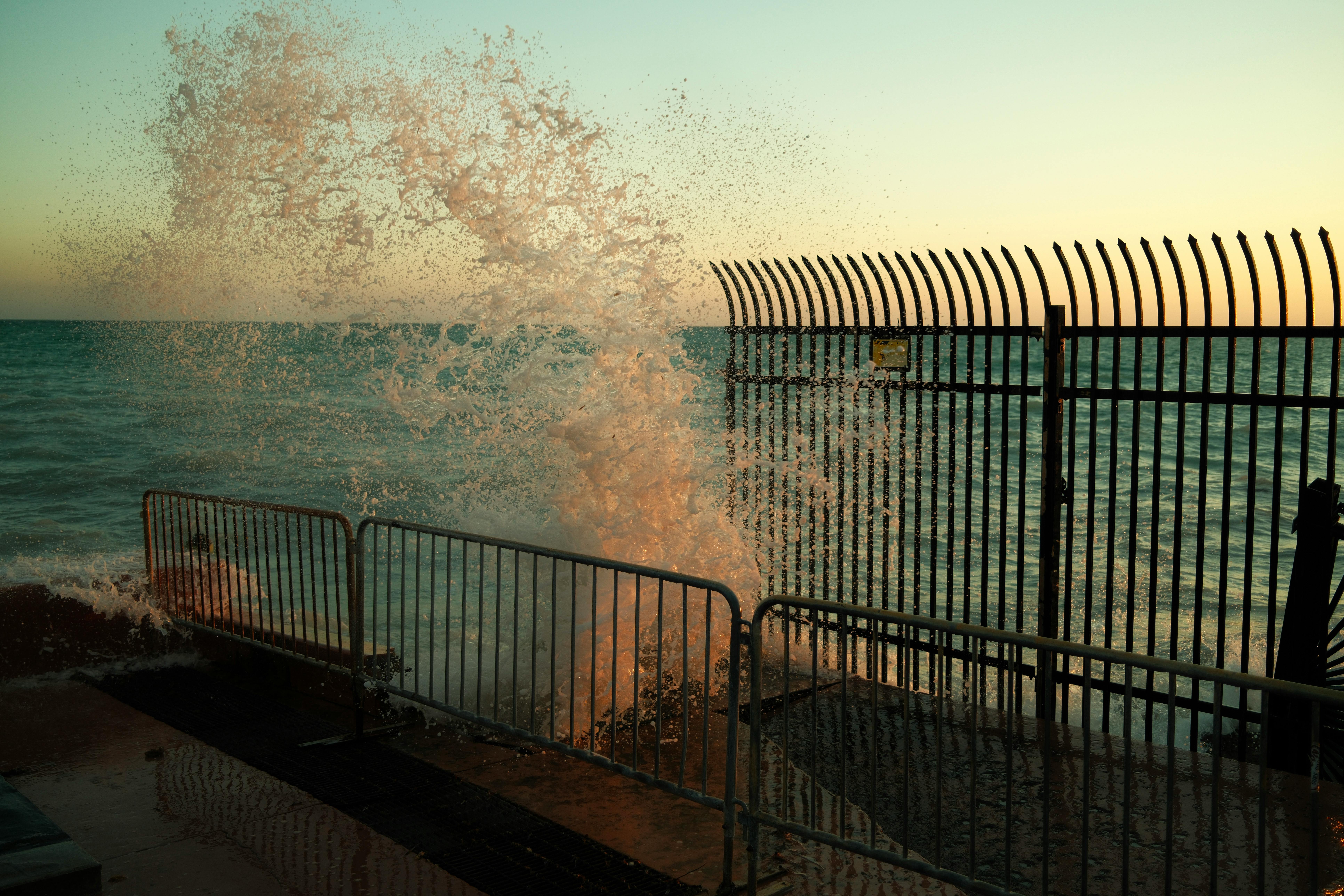
In coastal regions, the construction of seawalls is a critical investment for protecting property and landscapes from the relentless forces of nature. Seawalls serve as a barrier against erosion, storm surges, and rising sea levels, ensuring the longevity and safety of waterfront properties. Investing in quality seawall construction is essential, not just for peace of mind but also for the economic value it adds to coastal properties. With the right approach, a seawall can provide security and enhance the aesthetic appeal of any shoreline.
The Importance of Quality Seawall Construction
Seawalls are not mere structures; they are vital for safeguarding coastlines. The significance of employing quality materials and expert construction techniques cannot be overstated. Here are some reasons why investing in high-quality seawall construction is imperative:
- Durability and Longevity: Quality materials and expert installation ensure the seawall can withstand harsh weather conditions and last for decades.
- Cost Efficiency: While initial costs may be higher, well-constructed seawalls require less maintenance and repairs, saving money in the long run.
- Environmental Protection: Properly constructed seawalls minimize environmental impact, preserving natural habitats and coastal ecosystems.
- Property Value: A robust seawall enhances property value by providing security and improving the landscape’s aesthetics.
Discover expert strategies here to ensure your seawall construction meets the highest standards.
Choosing the Right Materials and Techniques
Material Selection
The choice of materials is a crucial factor in the success of seawall construction. Different materials offer various benefits and should be selected based on the specific needs of the location:
- Concrete: Known for its strength and durability, concrete is often used in areas with high wave action.
- Steel: Provides excellent resistance against corrosion and is suitable for locations with varying water levels.
- Vinyl and Composite Materials: These materials are lightweight, cost-effective, and provide good resistance to weathering.
- Stone and Rock: Ideal for natural aesthetics, these materials blend well with the environment while offering strong protection.
Learn about tailored solutions here that incorporate the best materials for your specific needs.
Construction Techniques
Advanced construction techniques ensure that seawalls are built to last and can withstand the elements. Key techniques include:
- Anchoring Systems: Utilizing deep anchoring systems for added stability and support.
- Wave Deflection Design: Designing seawalls to deflect and dissipate the energy of incoming waves.
- Reinforced Foundations: Establishing strong foundations to prevent shifting and settling over time.
Explore advanced guides and tips here to understand these techniques better.
Maintenance and Upkeep
Routine maintenance is vital to ensure the seawall remains effective. Regular inspections can help identify potential issues before they become major problems:
- Inspect for Cracks and Wear: Regularly checking for structural integrity to prevent erosion.
- Monitor for Vegetation: Controlling plant growth that can weaken the structure.
- Address Corrosion: Treating metal components to prevent rust and degradation.
Find out more about this approach here to keep your seawall in top condition.
Conclusion
Investing in quality seawall construction is a smart decision for anyone living in coastal areas. The right materials, techniques, and maintenance practices ensure that the seawall not only protects but also enhances property value. By prioritizing quality in every aspect of construction and upkeep, property owners can rest assured that their investment will provide lasting benefits. For those looking to secure their coastal properties, a comprehensive guide to expert strategies is available here.
