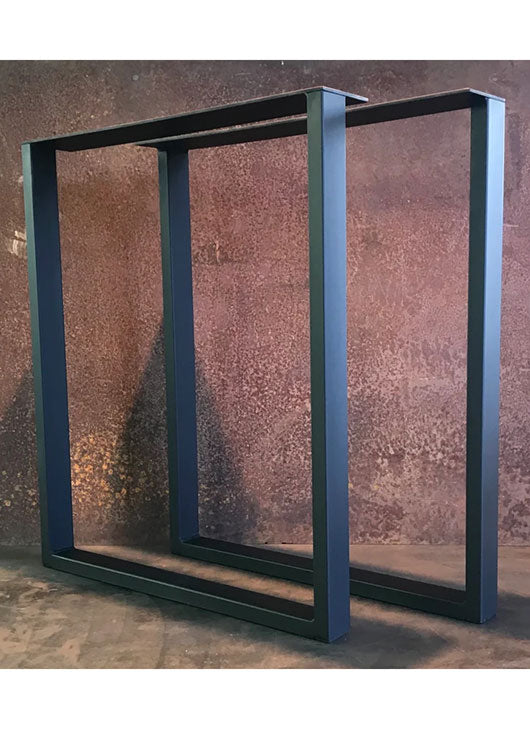
When it comes to designing a custom table, every detail matters, and the table legs are no exception. Custom metal table legs offer a unique blend of style, function, and durability, making them a popular choice for anyone looking to enhance their furniture’s aesthetic appeal and structural integrity. Whether you are designing a dining table, a coffee table, or a desk, selecting the right style of metal legs is crucial. This guide provides insights into choosing the perfect custom metal table legs, considering styles, materials, and design preferences.
Understanding Different Styles of Metal Table Legs
Custom metal table legs come in various styles, each offering its unique charm and functionality. Here are some popular styles to consider:
- Industrial Style: Known for its rugged and raw appeal, industrial-style legs often feature bold, exposed hardware and a utilitarian design. This style is perfect for lofts or spaces with a rustic, urban vibe.
- Mid-Century Modern: Characterized by clean lines and minimalistic design, mid-century modern legs are ideal for those who appreciate simplicity and elegance.
- Contemporary Style: For a sleek and modern look, contemporary metal legs offer smooth finishes and innovative designs that complement modern interiors.
- Traditional Style: Featuring ornate details and classic designs, traditional metal legs bring a touch of elegance and grace to any table.
Discover expert strategies here on how to match these styles to your home decor.
Materials and Finishes: Crafting the Perfect Look
When choosing custom metal table legs, the material and finish are as important as the design. The right material can enhance the table’s overall look and ensure longevity. Here are some common materials and finishes:
Materials
- Steel: Known for its strength and durability, steel is a versatile choice for table legs, offering a range of styles from industrial to sleek modern designs.
- Iron: Often used for its traditional and sturdy look, iron provides a timeless appeal and can be crafted into intricate designs.
- Aluminum: Lightweight and corrosion-resistant, aluminum is ideal for contemporary designs that require a clean and polished look.
Finishes
- Powder Coating: Offers a durable and resistant finish available in various colors, perfect for matching any interior decor.
- Brushed or Polished: Provides a sleek and smooth finish, adding a touch of sophistication to any table design.
- Antiqued: An excellent choice for traditional styles, offering a vintage and timeless appearance.
Learn about our tailored solutions for combining different materials and finishes to achieve your desired aesthetic.
Design Considerations: Functionality Meets Style
While aesthetics play a significant role in choosing table legs, functionality should not be overlooked. Here are some factors to consider:
- Table Height: Ensure the height of the legs aligns with the intended use of the table, whether it’s for dining, working, or as a coffee table.
- Weight Capacity: Consider the weight the table will support. Heavier materials like steel or iron might be more suitable for larger, heavier tabletops.
- Stability: The design should ensure stability, especially if the table will be used frequently or support heavy objects.
Explore advanced guides and tips on ensuring the perfect balance of style and function.
Customization Options: Tailoring to Your Needs
Custom metal table legs offer numerous customization options, allowing for personalization that fits perfectly with your vision. Consider the following:
- Custom Dimensions: Tailor the height, width, and thickness to suit your specific needs and space requirements.
- Color Choices: Choose from a wide range of colors to match or contrast with your tabletop.
- Unique Designs: Work with designers to create bespoke leg designs that reflect your personal style and complement your home decor.
Find out more about this approach to customizing metal table legs to achieve the perfect look and feel.
In conclusion, selecting the right custom metal table legs involves considering style, material, functionality, and customization options. By understanding these elements, you can create a piece that not only meets your practical needs but also enhances the aesthetic appeal of your space.
