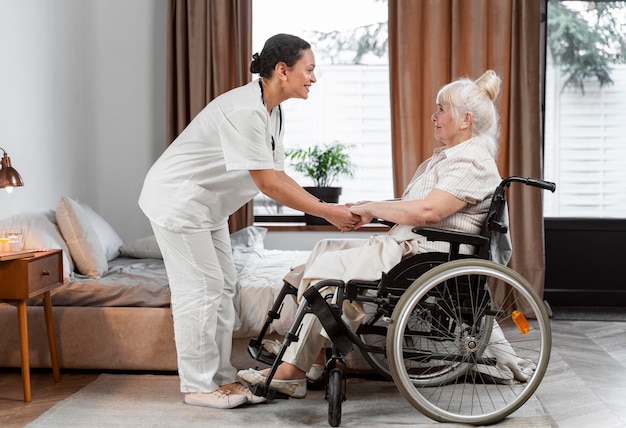
In today’s fast-paced world, the need to provide continuous care for elderly family members can become overwhelming. The increasing prevalence of chronic illnesses and age-related conditions makes the role of family caregivers both crucial and challenging. However, it’s vital to recognize that caregivers also need to take time for themselves to prevent burnout. This is where elderly respite care becomes an indispensable element in the caregiving ecosystem. By understanding its importance and benefits, families can ensure both their loved ones and themselves receive the support and relief necessary for a healthier, more balanced life.
What Is Elderly Respite Care?
Elderly respite care is a temporary relief for primary caregivers, enabling them to take a break from their caregiving duties while ensuring their loved ones continue to receive quality care. It can range from a few hours to several weeks, depending on the needs of the caregiver and the individual receiving care.
Types of Respite Care
- In-Home Respite: A professional caregiver visits the home to provide care, allowing the primary caregiver to leave the house or take a rest.
- Day Programs: These programs offer elderly individuals a place to go during the day where they can engage in social activities and receive care.
- Residential Respite Care: This involves short-term stays in a care facility, providing caregivers extended time for rest or travel.
The Importance of Elderly Respite Care
The significance of respite care cannot be overstated. It offers numerous benefits that extend to both caregivers and care recipients:
- Prevention of Caregiver Burnout: Continuous caregiving without breaks can lead to physical, emotional, and mental exhaustion. Respite care provides necessary downtime.
- Improved Quality of Care: With regular breaks, caregivers can return to their duties refreshed and more capable of providing attentive care.
- Enhanced Well-being for the Elderly: Engaging with different caregivers or participating in day programs can stimulate the elderly mentally and socially.
Choosing the Right Respite Care Option
Selecting the appropriate elderly respite care service involves considering several factors to ensure it meets both the caregiver’s and the care recipient’s needs. Here are some steps to consider:
- Assess the Needs: Determine the level of care required by the elderly individual and the length of time the caregiver needs a break.
- Research Providers: Look into various care options, such as domiciliary care and residential facilities, to find the best fit.
- Check for Compatibility: Ensure that the service provider can adequately meet the specific needs of the elderly person, including medical and personal care requirements.
Integrating Respite Care into the Care Routine
To make the most of respite care, it should be seamlessly integrated into the regular care routine. Here are some tips for a smooth transition:
- Communicate Openly: Discuss the plan with the care recipient to ensure they are comfortable with the arrangement.
- Trial Period: Start with short durations to allow the elderly person to adjust to the new care environment and caregivers.
- Regular Scheduling: Incorporate respite care into the routine regularly to provide consistent breaks for caregivers.
Conclusion
Understanding and utilizing elderly respite care is essential for the health and well-being of both caregivers and the elderly. By providing necessary breaks and varied care experiences, respite care supports a balanced and sustainable caregiving environment. For families navigating the complexities of elder care, exploring options such as live in care and other respite solutions can make a significant difference in maintaining a high quality of life for everyone involved.
