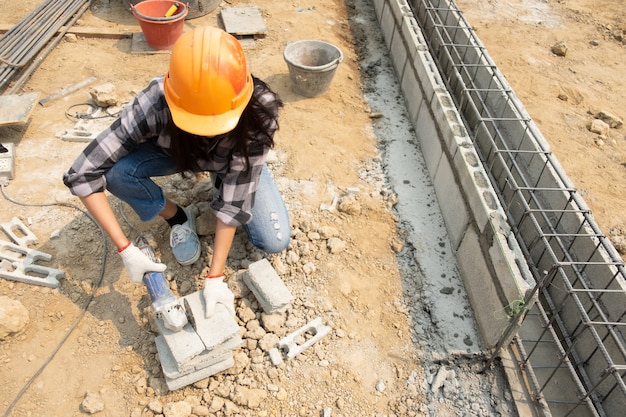
House underpinning is a critical process for reinforcing and stabilizing the foundations of a home. It becomes necessary when the existing foundation is no longer sufficient to support the building, often due to soil conditions, structural changes, or deterioration over time. Understanding the costs associated with house underpinning is crucial for homeowners considering this significant investment. Various factors influence the overall expense, and being informed can help in making timely and cost-effective decisions.
Factors Influencing House Underpinning Costs
The cost of underpinning a house can vary widely depending on several key factors:
- Extent of Damage: The severity of the foundation damage will significantly impact the cost. Minor repairs will obviously be less expensive than major structural overhauls.
- Type of Underpinning: Various underpinning methods exist, including mass concrete, beam and base, and mini-piled underpinning. Each method has its unique cost implications. Discover expert strategies here.
- Site Access and Conditions: The ease of access to the site and the condition of the surrounding area can affect labor costs. Challenging conditions may require more time and resources.
- Local Regulations: Compliance with local building codes and regulations can add to the overall expense, as permits and inspections may be required.
- Soil Type: Different soil types require different approaches, and some may need additional stabilization techniques, impacting the total cost.
Average Cost Estimates
While each project is unique, average costs can provide a general guideline. Typically, underpinning can range from $1,000 to $3,000 per pier, depending on the underpinning method used. For a comprehensive project, homeowners might expect to invest between $10,000 and $50,000.
Cost Breakdown
- Material Costs: Materials can account for a significant portion of the total cost, especially in methods requiring specialized equipment or concrete.
- Labor Costs: Skilled labor is essential for underpinning, as precision and expertise are required. Labor costs can vary based on location and project complexity.
- Additional Services: Geotechnical assessments, structural engineering consultations, and additional reinforcement measures may be necessary, adding to the total cost.
Making Informed Decisions
Before committing to an underpinning project, it’s essential to consider the long-term benefits. Properly addressing foundation issues can prevent further damage, enhance property value, and ensure safety. Learn about our tailored solutions.
Choosing the Right Professional
- Experience and Reputation: Seek out professionals with a proven track record and positive reviews in foundation repair and underpinning.
- Comprehensive Evaluation: Ensure that a thorough assessment is conducted before any work begins to fully understand the scope and cost of the project.
- Transparent Pricing: Obtain detailed quotes that outline all potential costs to avoid unexpected expenses.
By taking these steps, homeowners can effectively manage the costs associated with underpinning and ensure a successful outcome. Explore advanced guides and tips for more detailed insights into the underpinning process.
Conclusion
House underpinning is a substantial investment, but one that is often necessary to maintain the structural integrity and safety of a home. Understanding the various factors that affect underpinning costs can help homeowners plan appropriately and make informed decisions. By engaging with experienced professionals and thoroughly evaluating all aspects of the project, homeowners can ensure that their underpinning needs are met efficiently and effectively. Find out more about this approach to underpinning for a comprehensive understanding of what to expect in terms of costs and outcomes.
