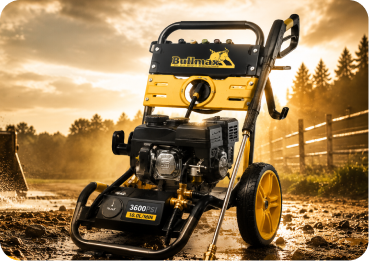
Wood chipper machines are indispensable tools in forestry, landscaping, and gardening. These machines efficiently convert large branches and trees into manageable wood chips, facilitating easier disposal or repurposing of wood waste. Whether used for creating mulch, compost, or simply reducing the volume of debris, wood chippers offer a practical solution for managing wood waste in an environmentally friendly manner. This guide delves into the various aspects of wood chipper machines, providing insights into their functionality, types, benefits, and considerations for selection and maintenance.
Understanding Wood Chipper Machines
What is a Wood Chipper?
A wood chipper is a machine designed to reduce tree limbs or trunks into smaller wood chips. These machines are typically used in forestry operations, landscaping, and garden maintenance to manage and reduce wood debris efficiently.
Types of Wood Chippers
Wood chippers come in various types, each suited for different needs and operations:
- Drum Chippers: Equipped with large drums that rotate to cut wood into chips.
- Disk Chippers: Utilize a steel disk to cut and chip wood, often used in industrial settings.
- Screw Chippers: Use a conical screw mechanism to chip wood, ideal for smaller operations.
- High-Torque Rollers: Known for being quieter and having fewer maintenance needs, suitable for residential use.
Each type has its advantages and is suited for specific tasks, making it essential to choose the right one based on operational requirements. Read more about this topic.
Benefits of Using Wood Chippers
Wood chippers offer numerous benefits, making them a valuable tool for various industries and applications:
- Efficient Waste Management: Reduces large volumes of wood waste into manageable chips.
- Environmental Conservation: Converts waste into useful materials like mulch or compost, promoting recycling.
- Time-Saving: Automates the process of breaking down wood, saving time and labor.
- Cost-Effective: Reduces expenses related to waste disposal and purchasing mulch or compost.
These benefits highlight the importance of incorporating wood chippers into forestry and landscaping practices. Explore further insights here.
Key Considerations When Choosing a Wood Chipper
Power Source
Wood chippers are powered by either electricity or gas. Electric chippers are typically smaller and quieter, suitable for residential use, while gas-powered chippers offer more power for larger, commercial tasks. Learn more in this detailed guide.
Capacity
Consider the size of wood you need to chip. Different machines have varying capacities, and selecting one that matches your needs ensures efficiency and longevity.
Portability
Depending on the work environment, portability could be a crucial factor. Smaller, wheeled models offer ease of movement, while larger, stationary models may provide greater power but less mobility.
Safety Features
Safety is paramount when operating wood chippers. Look for machines with safety features such as emergency shut-off switches and protective covers. Find additional information here.
Maintenance and Care Tips
Regular maintenance is vital for the optimal performance and longevity of wood chipper machines:
- Regular Cleaning: Remove debris and wood particles after each use.
- Blade Sharpening: Keep blades sharp to ensure efficient and smooth chipping.
- Engine Care: Follow the manufacturer”?s guidelines for engine maintenance and oil changes.
- Inspection: Periodically inspect the machine for wear and tear, addressing any issues promptly.
Proper maintenance not only extends the life of the machine but also ensures safety and efficiency during operation. Explore further insights here.
In conclusion, wood chipper machines are essential tools for efficiently managing wood waste. Understanding their types, benefits, and maintenance requirements aids in making informed decisions for both residential and commercial applications. Find additional information here.
