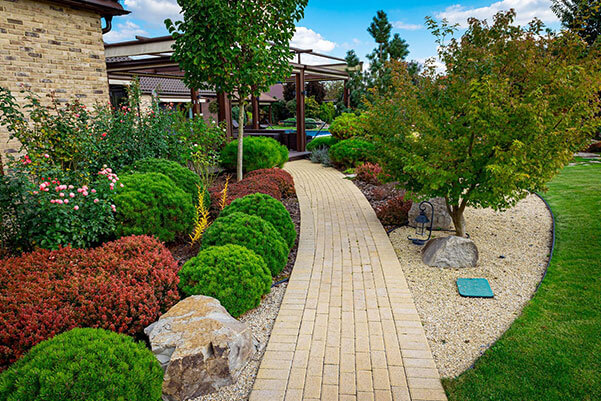
Transforming an outdoor space into a beautiful and functional area requires more than just a few plants and stones. It takes a keen understanding of landscaping architecture, aesthetic sensibility, and a dash of creativity. With the right approach, any garden, yard, or patio can be turned into an inviting and inspiring environment that complements both the natural surroundings and the architectural style of the home. This article explores innovative approaches to landscaping architecture that promise to elevate outdoor spaces to new heights of beauty and utility.
Understanding the Basics of Landscaping Architecture
Site Analysis and Planning
Every successful landscaping project begins with a thorough site analysis. This involves evaluating the existing conditions of the outdoor space, including:
- Soil type and quality
- Sunlight exposure and shade patterns
- Topography and drainage
- Existing vegetation and structures
Armed with this information, a detailed plan can be crafted to address the site’s unique challenges and opportunities. This step is crucial for ensuring that the final design is both practical and sustainable.
Design Principles
Good landscaping architecture adheres to several core principles that guide the design process:
- Unity: Creating a cohesive look by using complementary materials, colors, and design elements.
- Balance: Achieving visual stability, whether symmetrical or asymmetrical, through the arrangement of plants and structures.
- Scale and Proportion: Ensuring that elements are appropriately sized relative to each other and the overall space.
- Focus: Incorporating focal points such as sculptures, water features, or unique plants to draw the eye.
These principles help in crafting an outdoor space that is not only aesthetically pleasing but also functional and comfortable.
Innovative Landscaping Trends
Sustainable Landscaping
Sustainability is at the forefront of modern landscaping practices. This approach emphasizes the use of native plants that require minimal water and maintenance, as well as the implementation of eco-friendly materials and techniques. Key strategies include:
- Xeriscaping to reduce water usage
- Rainwater harvesting systems
- Permeable paving to enhance drainage
These methods not only help conserve resources but also create a more resilient and environmentally friendly landscape.
Smart Technology Integration
The advent of smart technology has revolutionized landscaping architecture. Homeowners can now integrate automated systems to control:
- Irrigation schedules
- Outdoor lighting
- Weather adjustments
These innovations ensure that the landscape remains in peak condition with minimal manual intervention, allowing for efficient energy use and conservation.
Incorporating Artistic Elements
Natural and Man-Made Features
Artistic expression in landscaping can be achieved by blending natural and man-made elements. Key features might include:
- Water features such as ponds or fountains
- Garden art installations
- Custom-designed outdoor furniture
These elements not only enhance the visual interest but also add a personal touch to the landscape, making it a unique extension of the living space.
Seasonal Plantings
To ensure year-round appeal, consider incorporating a variety of plants that bloom in different seasons. This approach provides:
- Continuous color and texture changes
- Habitats for local wildlife
- Dynamic visual interest
By selecting the right combination of perennials, annuals, shrubs, and trees, a landscape can offer a vibrant display throughout the year.
Conclusion
Transforming an outdoor space with innovative landscaping architecture involves a harmonious blend of design principles, sustainable practices, and cutting-edge technology. By carefully analyzing the site and incorporating artistic elements, a landscape can become a functional and beautiful extension of the home. Whether for personal enjoyment or to enhance property value, a well-designed landscape is an investment in both aesthetics and quality of life.
