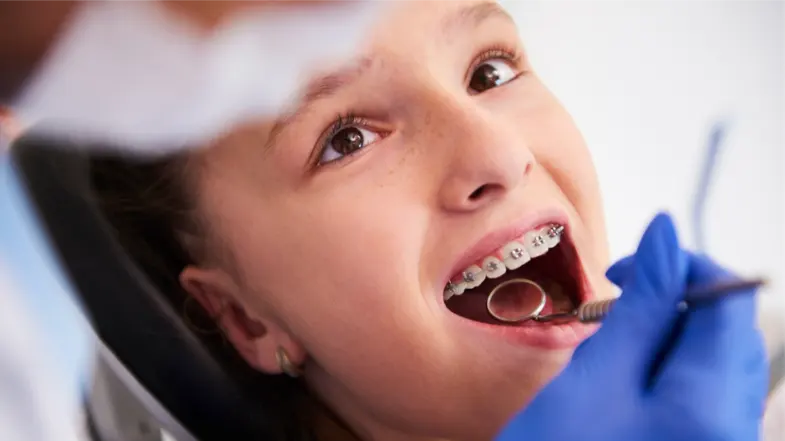
Choosing the right braces for kids is a significant decision that can impact their dental health and self-esteem. With various options available, parents may feel overwhelmed by the choices. This comprehensive guide offers key insights into selecting the most suitable braces for children, addressing both functional and aesthetic considerations. By understanding the types of braces, the treatment process, and the factors influencing the choice, parents can make informed decisions to ensure the best outcomes for their children’s smiles.
Understanding the Types of Braces
Traditional Metal Braces
Known for their durability and effectiveness, traditional metal braces are the most common type used for children. They consist of metal brackets and wires and are ideal for correcting a wide range of dental issues.
Ceramic Braces
These braces are similar to metal braces but are made from a clear or tooth-colored material, making them less noticeable. They are a popular choice for older children and teenagers who are concerned about aesthetics.
Lingual Braces
Positioned behind the teeth, lingual braces are hidden from view. While they offer an aesthetic advantage, they may be less comfortable and require more frequent adjustments.
Clear Aligners
Clear aligners, such as Invisalign, offer an alternative to traditional braces. They are removable, making them convenient for eating and oral hygiene. However, they may not be suitable for all complex dental issues. Discover expert strategies here.
Factors to Consider When Choosing Braces
- Dental Needs: The specific dental issues that need correction will largely determine the type of braces required.
- Child’s Age: Younger children may benefit from traditional braces, while teenagers may prefer more discreet options.
- Comfort and Aesthetics: Consider the child’s comfort and self-esteem, particularly if they are conscious about their appearance.
- Cost: Different types of braces vary in cost. It’s important to balance budget considerations with treatment effectiveness.
- Oral Hygiene: Some braces require more diligent oral care, which may be a factor in choosing the right option for your child.
Learn about our tailored solutions.
The Treatment Process
Understanding the treatment process helps in setting realistic expectations. The journey typically includes:
- Initial Consultation: A comprehensive evaluation by an orthodontist to discuss options and develop a treatment plan.
- Application of Braces: The process of fitting the chosen braces, which typically takes one to two hours.
- Regular Adjustments: Scheduled every four to six weeks to ensure optimal progress and adjustments as necessary.
- Post-Treatment Care: After removing the braces, retainers are typically used to maintain the new alignment of the teeth.
Explore advanced guides and tips.
Conclusion
Selecting the right braces for kids involves careful consideration of various factors, including the type of braces, the child’s needs, and the overall treatment process. Parents are encouraged to consult with experienced orthodontists to make informed choices that align with their child’s dental health goals. Find out more about this approach.
