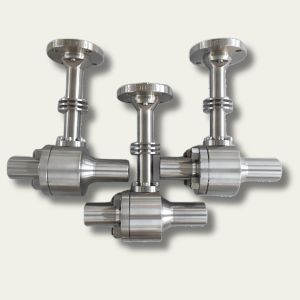
In the ever-evolving landscape of industrial systems, motorised ball valves have emerged as a crucial component, offering unparalleled versatility and efficiency. These valves are pivotal in regulating the flow of various fluids, ensuring that operations run smoothly and safely. With the advent of automation and remote-control technologies, motorised ball valves have transformed from simple mechanical devices into sophisticated tools essential for modern industrial applications.
The Role of Motorised Ball Valves in Industrial Systems
Motorised ball valves serve as critical elements in various industrial systems due to their unique design and operational capabilities. They perform essential functions such as:
- Controlling fluid flow with precision and accuracy.
- Allowing for remote operation, facilitating automation.
- Reducing manual intervention, thereby minimizing human error.
- Enhancing safety by providing reliable shut-off capabilities.
By integrating these valves into industrial settings, companies can achieve significant improvements in operational efficiency. To explore advanced guides and tips on integrating such components, visit this resource.
Applications Across Various Industries
Motorised ball valves find extensive applications across a multitude of industries, each benefiting uniquely from their versatile nature. Some of the prominent sectors include:
Oil and Gas
In the oil and gas industry, motorised ball valves are indispensable for controlling the flow of crude oil and natural gas. Their ability to withstand extreme pressures and temperatures makes them ideal for harsh environments. Find out more about this approach and how it enhances safety and efficiency in oil and gas operations.
Water Treatment
The water treatment industry relies heavily on motorised ball valves for precise flow control, ensuring the efficient processing of water. Their corrosion-resistant materials make them suitable for handling various chemicals and fluids. Discover expert strategies here for optimizing water treatment processes using these valves.
Food and Beverage
In the food and beverage sector, hygiene and precision are paramount. Motorised ball valves facilitate the hygienic handling of liquids, maintaining the integrity of the products. Learn about our tailored solutions on this page for implementing these valves in food processing environments.
Advantages of Motorised Ball Valves
Motorised ball valves offer numerous advantages that make them preferable over traditional valve types. Some of the key benefits include:
- Automation and Control: They can be easily integrated into automated systems, allowing for seamless control and monitoring.
- Durability: Constructed from robust materials, these valves are built to last, even under strenuous conditions.
- Energy Efficiency: Their design minimizes leakage and energy loss, promoting sustainable operations.
- Cost-Effectiveness: Over time, their reliability and low maintenance requirements result in cost savings.
To explore advanced methods for maximizing these advantages in industrial settings, explore this guide.
Implementation Considerations
When considering the implementation of motorised ball valves in industrial systems, several factors should be taken into account to ensure optimal performance:
- Compatibility: Ensure compatibility with existing systems and media.
- Environmental Conditions: Consider the environmental conditions, such as temperature and pressure, where the valve will operate.
- Control Systems: Evaluate the compatibility with current control systems for seamless integration.
- Maintenance Requirements: Understand the maintenance needs to prolong the valve?s operational life.
For a comprehensive understanding of these factors, learn more here.
In conclusion, motorised ball valves are a versatile and invaluable component in industrial settings, offering reliability, efficiency, and advanced control capabilities. By understanding their applications and advantages, industries can leverage these valves to enhance their operational performance significantly.
