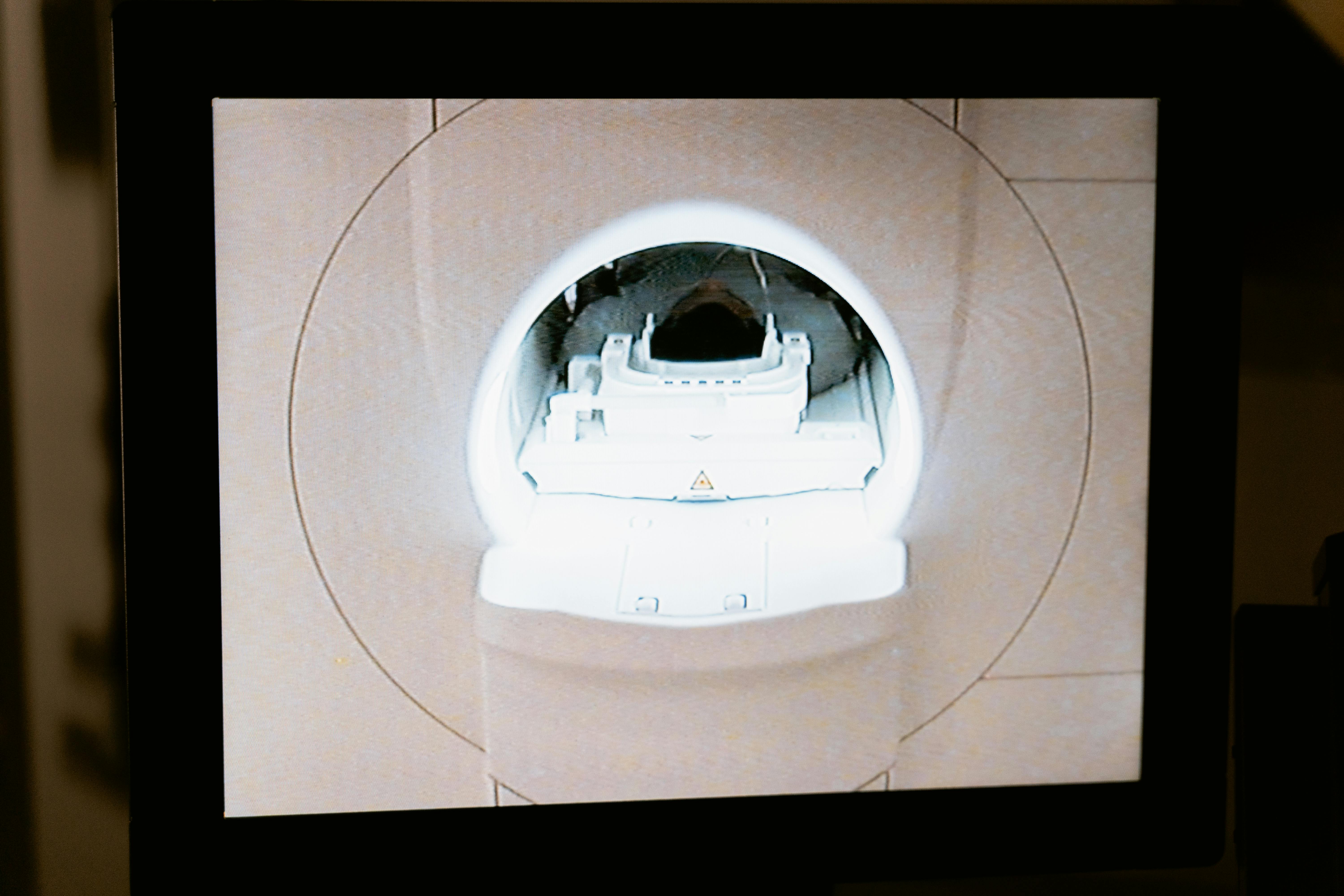
In the rapidly evolving field of medical diagnostics, nuclear medicine imaging stands out as a transformative approach, offering detailed insights into the physiological and molecular processes occurring within the body. By utilizing small amounts of radioactive materials, this technique provides critical information that traditional imaging methods may not capture, thus playing a crucial role in diagnosing and managing a wide range of diseases. Its ability to evaluate organ function and structure makes it an invaluable tool in the early detection and treatment of numerous health conditions.
Understanding Nuclear Medicine Imaging
Nuclear medicine imaging is a branch of medical imaging that uses radiopharmaceuticals to visualize and diagnose conditions. These radiopharmaceuticals emit gamma rays, which are detected by special types of cameras, providing images that reflect the body’s physiological processes.
Key Applications
This type of imaging is employed in a variety of medical scenarios, including:
- Identifying abnormalities in the thyroid gland.
- Assessing cardiac function and blood flow.
- Detecting bone abnormalities.
- Evaluating cancerous tumors and monitoring treatment efficacy.
- Diagnosing gastrointestinal disorders.
More detailed information about these applications can be found through nuclear medicine imaging services.
The Advantages of Nuclear Medicine
The unique ability of nuclear medicine to provide functional information distinguishes it from other imaging modalities. Here are some advantages:
- Early detection of diseases before anatomical changes occur.
- High sensitivity in detecting disease.
- Non-invasive procedures with minimal discomfort.
- Capability to monitor disease progression and treatment response.
- Personalized treatment planning.
These benefits underscore the importance of seeking advanced diagnostic imaging in comprehensive medical assessments.
Integration with Other Medical Imaging Services
In clinical settings, integration with other medical imaging services like CT and MRI enhances diagnostic accuracy. This combined approach allows for:
- Improved anatomical localization of functional abnormalities.
- Better differentiation between malignant and benign lesions.
- Enhanced treatment planning and monitoring.
Collaboration among radiology imaging services ensures comprehensive patient care and optimized clinical outcomes.
Conclusion
The role of nuclear medicine imaging in modern healthcare cannot be overstated. It provides a powerful means to assess and track disease, offering a detailed view of the body’s internal workings. As technology advances, the capabilities of nuclear medicine scans will continue to expand, providing even greater precision in diagnostics. Access to cutting-edge radiological imaging services is crucial for healthcare professionals seeking to deliver optimal patient outcomes.
