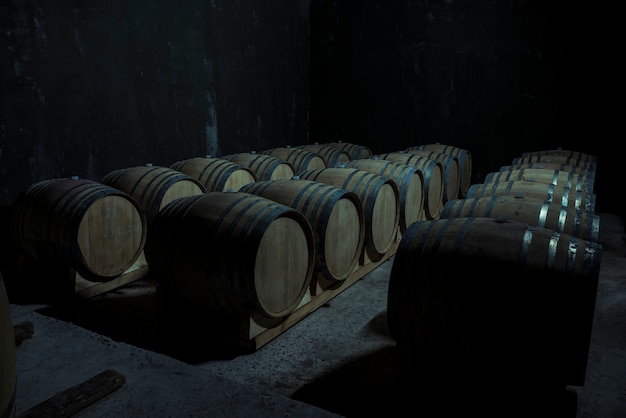
Whiskey cask investment has emerged as an intriguing opportunity for both seasoned investors and novices alike. With its rich history and potential for significant returns, it offers a unique way to diversify one’s investment portfolio. However, diving into the world of whiskey investment requires a nuanced understanding of the market, trends, and the distillation process itself. This guide aims to provide a comprehensive overview for those interested in exploring the art of whiskey cask investment.
Understanding the Basics of Whiskey Cask Investment
Before venturing into whiskey cask investment, it’s essential to grasp the fundamentals. Unlike traditional investments, whiskey casks appreciate over time as the spirit matures and its value increases. This maturation process is a key factor in determining the potential return on investment.
Key Considerations
- Age and Maturity: Older whiskey tends to be more valuable due to its refined flavor profile developed over years of maturation.
- Cask Type: Different cask types, such as sherry, bourbon, or port, impart unique flavors to the whiskey, affecting its market value.
- Distillery Reputation: Whiskeys from renowned distilleries often fetch higher prices due to their established reputation and demand.
The Process of Investing in Whiskey Casks
The process of investing in whiskey casks involves several steps, starting from selecting the right cask, understanding the market trends, and eventually selling the matured whiskey at a profit. Here are the essential steps:
1. Selecting the Right Cask
Choosing the right cask is crucial for a successful investment. Factors such as the type of wood, size, and previous use of the cask play a significant role in the whiskey’s flavor development. It’s vital to conduct thorough research or consult with an expert to make informed decisions.
2. Understanding Market Trends
Keeping abreast of market trends is essential for maximizing returns. The whiskey cask investment market can be influenced by factors such as global demand, economic conditions, and changes in consumer preferences.
3. Selling the Whiskey
Once the whiskey has matured to a desirable age, it can be sold in various ways, including at auctions, through private sales, or by bottling and selling it directly to consumers. Understanding the best outlet for sale is critical to achieving the highest possible returns.
Risks and Rewards
Like any investment, whiskey cask investment comes with its own set of risks and rewards. While the potential for high returns is appealing, investors should be aware of the possible pitfalls.
Potential Rewards
- High Returns: Well-chosen casks can appreciate significantly, offering a lucrative return on investment.
- Diversification: Investing in whiskey casks can diversify an investment portfolio, potentially reducing overall risk.
Associated Risks
- Market Volatility: The whiskey market can be unpredictable, with prices subject to fluctuation.
- Storage and Insurance: Proper storage and insurance are essential to protect the investment, adding to the overall cost.
Getting Started with Whiskey Cask Investment
For those interested in taking the plunge, the first step is to gain a comprehensive understanding of the investment landscape. Resources such as guides on how to invest in whisky casks can provide valuable insights and help investors make informed decisions.
Consulting Experts
Engaging with industry experts can provide valuable advice and guidance, particularly for beginners. Experts can offer insights into market trends, cask selection, and potential pitfalls to avoid, ensuring a smoother investment journey.
Developing a Strategy
Having a clear investment strategy is crucial. Factors such as budget, desired return, and time frame should be considered when developing a personalized investment plan. Additionally, understanding the nuances of whiskey barrel investment can assist in crafting a strategy that aligns with individual goals.
In conclusion, whiskey cask investment offers a fascinating avenue for diversifying one’s portfolio while indulging in the rich heritage of whiskey making. By understanding the intricacies of the market, remaining informed about trends, and consulting with experts, investors can navigate this unique investment landscape with confidence and poise.
