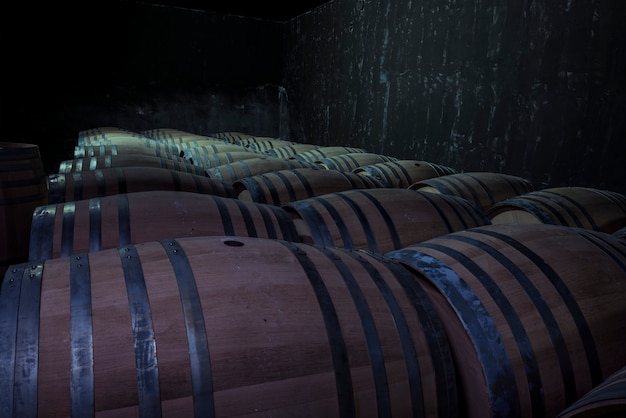
The allure of whisky, with its rich history and complex flavors, extends beyond mere consumption. It has become a significant area of interest in the investment world, particularly in the form of whiskey barrel investment. As a tangible asset, whiskey barrels offer a unique opportunity for enthusiasts and investors alike to diversify their portfolios. This guide explores the nuances of investing in whiskey casks, providing insights into the potential benefits and risks involved.
Understanding Whiskey Barrel Investment
Whiskey barrel investment involves purchasing casks of whiskey from distilleries, with the intention of selling them at a higher value once they have matured. This type of investment is rooted in the aging process, where the whiskey’s flavor and value increase over time. Here are some key points to consider:
- Barrels generally increase in value as the whiskey matures, often significantly.
- Investors can choose to bottle the whiskey for sale or sell the barrel itself.
- The rarity and brand of the whiskey can greatly influence its market value.
The Benefits of Investing in Whiskey Casks
Diversification of Portfolio
Investing in whiskey casks provides a tangible asset that can diversify an investor’s portfolio. Unlike traditional stocks and bonds, whiskey casks are less susceptible to market volatility, offering a stable investment option. This makes it an appealing choice for those looking to hedge against economic uncertainties.
Appreciation Over Time
As whiskey ages, it not only improves in quality but also increases in value, making it a potentially lucrative investment. The aging process enhances the whiskey’s flavor profile, which can lead to higher demand and prices. For those interested in whiskey investment, this appreciation over time can yield significant returns.
Factors to Consider Before Investing
Storage and Insurance
Proper storage conditions are crucial for the maturation process. Whiskey casks must be stored in a controlled environment to ensure the quality of the spirit. Additionally, insuring the casks can protect against unforeseen damages or losses.
Market Trends
Staying informed about market trends is essential for whiskey barrel investment. Factors such as changes in consumer preferences, economic conditions, and distillery production levels can all influence the value of whiskey casks.
Risks Associated with Whiskey Cask Investments
While whiskey cask investments can be lucrative, they are not without risks. Potential investors should be aware of the following:
- Market Volatility: Although less volatile than traditional markets, the value of whiskey casks can still be affected by market dynamics.
- Liquidity: Whiskey casks are not as liquid as stocks or bonds, which means they may take longer to sell and convert into cash.
- Quality Control: The quality of the whiskey can be influenced by factors such as production techniques and aging conditions, affecting its final market value.
Conclusion
Investing in whiskey casks presents a compelling opportunity for diversification and potential long-term gains. However, like any investment, it requires diligent research and consideration of various factors, including storage, market trends, and risks. For those keen on exploring this unique asset class, understanding the intricacies of whisky cask investments is crucial to making informed decisions. By approaching whiskey investment with a strategic mindset, investors can enhance their portfolios with this distinctive and rewarding asset.
