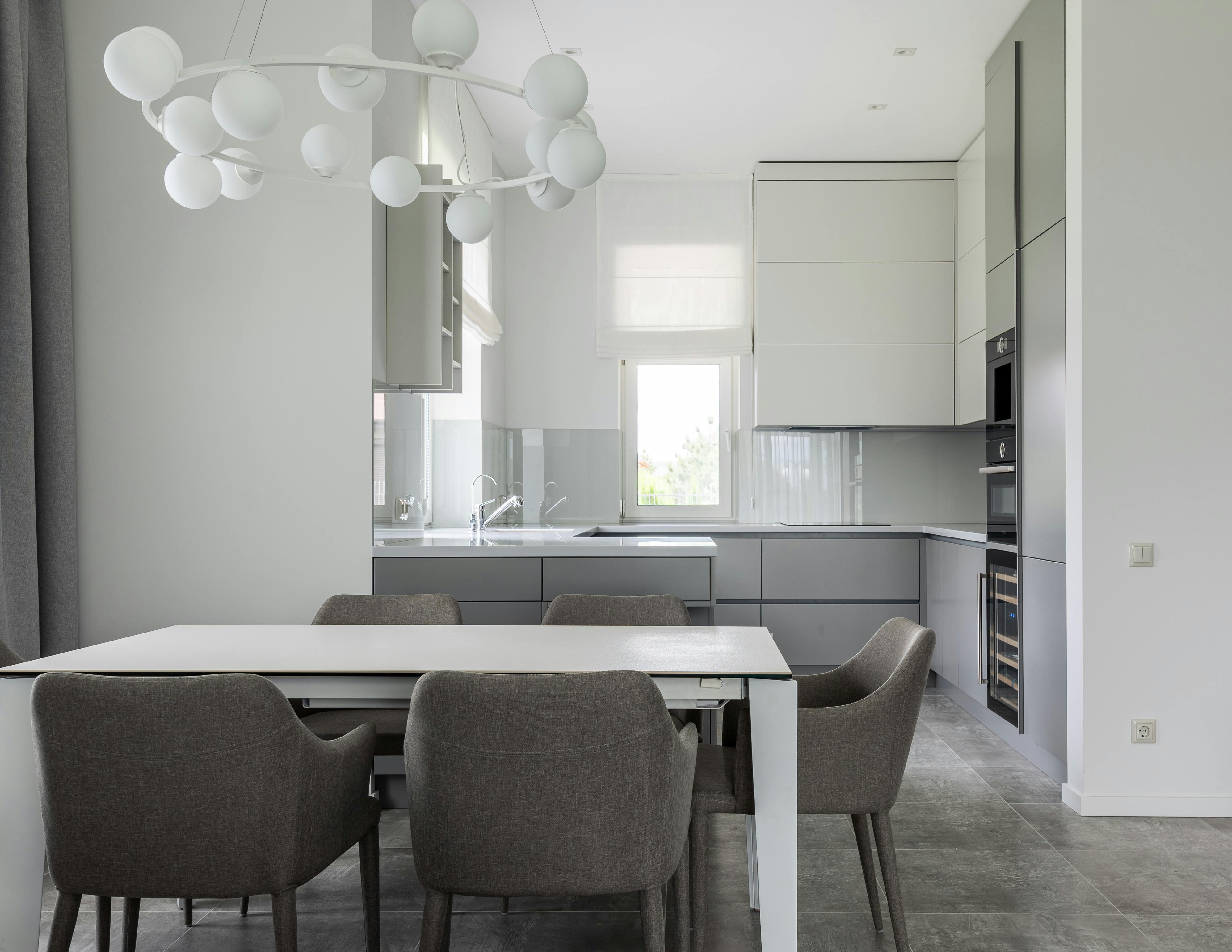
Modern interior design is more than just a style; it’s a philosophy that embraces simplicity, functionality, and elegance. It captures the essence of contemporary living, where less is more, and every piece serves a purpose. This approach to design harmonizes the aesthetic with the practical, creating spaces that are both beautiful and livable. As the world evolves, so do our homes, reflecting current trends while maintaining timeless appeal. Understanding the core elements of modern interior design allows for the creation of spaces that not only meet the demands of today but also inspire peace and creativity.
Understanding the Core Elements
At the heart of modern interior design are several key elements that define its unique approach:
- Clean Lines: Emphasizing simplicity, modern design favors clean, straight lines over ornate details.
- Neutral Color Palette: Soft whites, grays, and beiges set a calming backdrop, allowing other design elements to shine.
- Open Spaces: Open floor plans with minimal partitions enhance light and space.
- Functionality: Every piece of furniture or decor serves a purpose, often with multifunctional designs.
- Natural Materials: Wood, stone, and metal bring warmth and texture to modern interiors.
Creating a Cohesive Design
Achieving a cohesive modern design involves strategic planning and execution. A well-coordinated space not only looks good but also feels balanced. For those seeking to delve deeper into achieving this balance, one might explore advanced guides and tips on crafting harmonious interiors.
Choosing the Right Furniture
Furniture selection is crucial in modern interior design. Opt for pieces that are both stylish and functional. Consider:
- Minimalist Styles: Sleek, unadorned furniture that enhances space without overwhelming it.
- Quality over Quantity: Investing in fewer, high-quality pieces ensures longevity and adds sophistication.
- Multifunctional Pieces: Furniture that serves multiple purposes, like a sofa bed or an extendable dining table, maximizes utility in smaller spaces.
Incorporating Technology
Modern design seamlessly integrates technology to improve functionality and convenience:
- Smart Home Devices: Automate lighting, climate control, and security for a personalized living experience.
- Energy Efficiency: Incorporate energy-saving appliances and systems that reduce environmental impact.
- Connectivity: Ensure robust internet and connectivity solutions are integrated into the design for a modern lifestyle.
To effectively incorporate technology into modern interiors, one can discover expert strategies here.
Embracing Sustainability
Sustainability is becoming an integral part of modern design. Emphasizing eco-friendly materials and practices not only benefits the environment but also enhances the space’s aesthetic appeal. Some strategies include:
- Recycled Materials: Use of reclaimed wood and recycled metals in furniture and decor.
- Low-VOC Paints: Choose paints and finishes that are free from harmful volatile organic compounds.
- Indoor Plants: Incorporate greenery to improve air quality and introduce natural beauty.
For more on sustainable design practices, find out more about this approach.
The Role of Personalization
Although modern design emphasizes minimalism and functionality, personal touches are essential. Personalization can be achieved through:
- Art and Decor: Select pieces that reflect personal taste and complement the overall design.
- Custom Solutions: Tailored furniture or layout changes to fit unique space requirements.
- Color Accents: Introduce bold or subtle color accents through accessories to express individuality.
For those interested in creating personalized modern spaces, learn about our tailored solutions.
In conclusion, modern interior design is an art that balances simplicity with elegance, functionality with style. By understanding its core principles and integrating them into the living environment, one can create spaces that are not only aesthetically pleasing but also deeply personal and highly functional.
