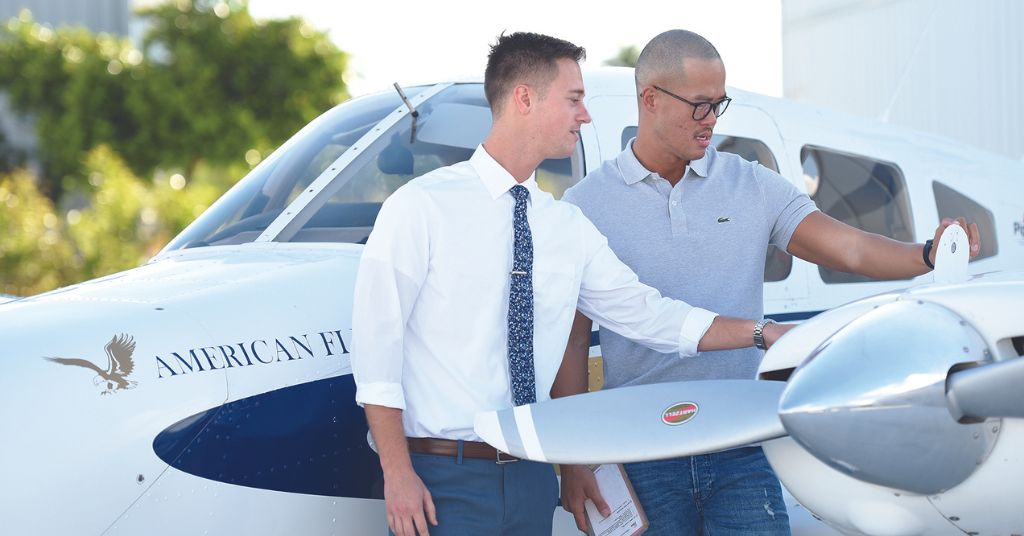
Becoming a pilot is an exhilarating journey that blends passion with precision. Aspiring pilots often start with a Private Pilot Licence (PPL), which serves as the foundational stepping stone for further flight training. This process involves a series of structured steps, each designed to equip the trainee with the necessary skills and knowledge to safely operate an aircraft. This article provides a comprehensive look into the step-by-step process of obtaining a PPL, guiding aspiring pilots through each phase of training and licensure.
Understanding the Basics of PPL Training
The first step in PPL training is understanding the fundamental requirements and structure. The Private Pilot Licence allows individuals to fly an aircraft privately without remuneration. The training program is generally divided into two main components: ground school and flight training.
Ground School
Ground school is an essential part of PPL training, focusing on the theoretical aspects of flying. Topics covered include:
- Aerodynamics
- Aircraft systems
- Meteorology
- Navigation
- Flight planning
- Aviation regulations
This theoretical knowledge is crucial as it prepares students for both the written exam and practical flying sessions. Read more about this topic to gain a deeper understanding of the theoretical components.
Flight Training
Flight training is the hands-on component where students apply their theoretical knowledge in real flying conditions. This phase includes:
- Pre-flight inspections
- Takeoff and landing procedures
- Basic maneuvers
- Advanced maneuvers
- Emergency procedures
- Cross-country navigation
Each session builds on the previous one, incrementally increasing the student?s competence and confidence in handling the aircraft. Students can explore further insights here about the practical aspects of flight training.
The Examination Process
Upon completing ground school and flight training, aspiring pilots must pass a series of examinations to earn their PPL.
Written Examination
The written examination tests the candidate?s understanding of the theoretical knowledge covered in ground school. It includes multiple-choice questions on various topics such as navigation, meteorology, and aerodynamics. This exam is crucial for assessing the student?s readiness to proceed to practical evaluations.
Practical Flight Test
The practical flight test, or check ride, is conducted by an authorized examiner and consists of two parts:
- An oral exam to assess the candidate?s knowledge and decision-making abilities.
- A flight test to evaluate practical flying skills and proficiency.
Passing these tests confirms that the candidate has met all the necessary standards to operate an aircraft safely and competently. Find additional information here about the examination process and requirements.
Post-Licensure Opportunities
Obtaining a PPL opens up numerous opportunities for pilots. While the PPL itself is a non-commercial license, it lays the groundwork for advanced certifications and ratings, such as:
- Instrument Rating
- Commercial Pilot Licence (CPL)
- Multi-engine Rating
- Flight Instructor Certification
These additional qualifications enhance a pilot?s skills and can lead to a career in aviation. For those interested in furthering their aviation journey, learn more in this detailed guide about advanced training options.
Conclusion
The path to obtaining a Private Pilot Licence is a structured and rewarding process, requiring dedication, discipline, and passion. By understanding the key components and stages of PPL training, aspiring pilots can better prepare themselves for the challenges and triumphs of learning to fly. Whether for personal enjoyment or as the first step towards a professional career in aviation, a PPL is a significant achievement and a gateway to the skies.
