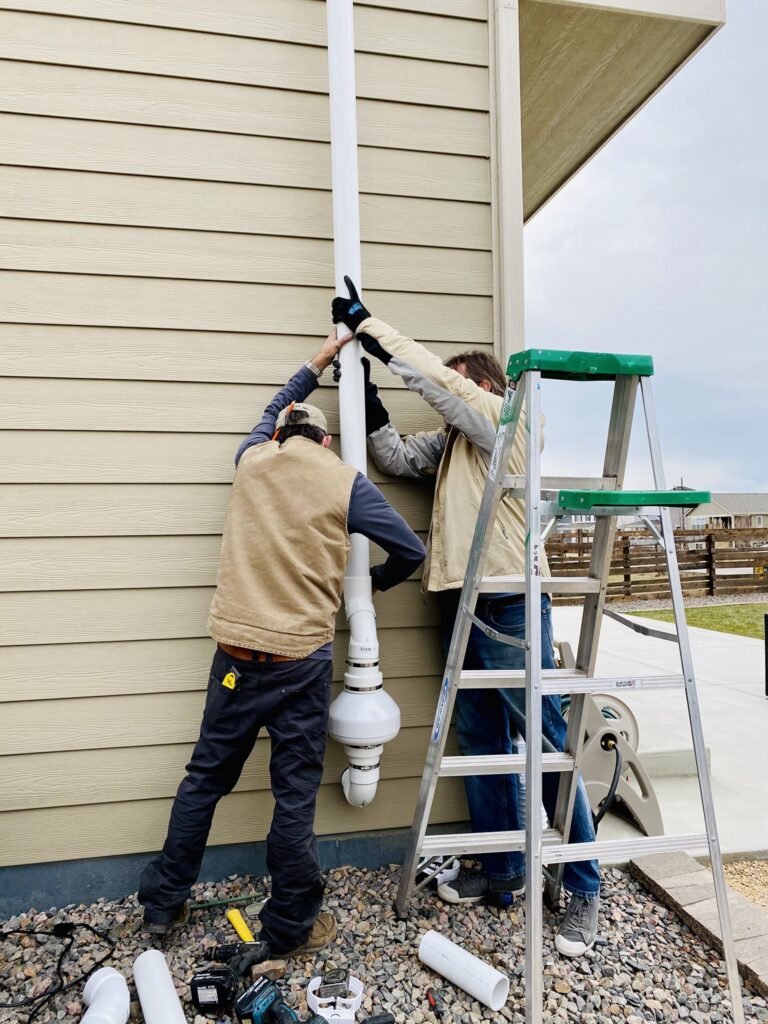
Radon Mitigation: Protecting Your Family in Denver
Radon, a naturally occurring radioactive gas, is a silent intruder in many homes. It is odorless, colorless, and tasteless, making it impossible to detect without specialized equipment. In Denver, a city known for its beautiful landscapes and high elevation, radon levels can be particularly concerning. This article dives into the importance of radon mitigation and how it can safeguard your family?s health.
Understanding Radon and Its Risks
What is Radon?
Radon is a byproduct of the natural decay of uranium found in soil and rock. It can seep into homes through cracks in floors, walls, and foundations. When inhaled, radon particles can damage lung tissue, significantly increasing the risk of lung cancer.
Health Implications
The U.S. Environmental Protection Agency (EPA) estimates that radon is responsible for about 21,000 lung cancer deaths annually. Key health implications include:
- Prolonged exposure increases lung cancer risk.
- Non-smokers are also at significant risk.
- Children may be more susceptible to radiation damage.
The Need for Radon Mitigation in Denver
Why is Denver at Risk?
Due to Denver’s geological makeup and high elevation, homes in this area are often at higher risk for elevated radon levels. The city?s unique characteristics necessitate careful monitoring and mitigation strategies. Discover expert strategies here.
Testing for Radon
Testing is the only way to know if your home has high radon levels. Consider these approaches:
- Short-term testing: Provides quick results, usually within a week.
- Long-term testing: Offers a comprehensive picture over several months.
- Professional testing: Ensures accuracy and reliability.
For detailed guidance on testing, explore advanced guides and tips.
Effective Radon Mitigation Techniques
Mitigation Systems
Radon mitigation involves a variety of techniques designed to reduce radon levels in homes. Key systems include:
- Sub-slab depressurization: The most common and effective method.
- Sealing cracks and openings: Enhances the efficiency of other mitigation systems.
- House pressurization: Utilizes a fan to create positive pressure indoors.
Learn about our tailored solutions for these systems and more.
Choosing a Mitigation Specialist
When selecting a mitigation specialist, consider the following:
- Certification and experience.
- Reputation and customer reviews.
- Comprehensive post-mitigation testing.
To ensure the best results, find out more about this approach.
Conclusion
Protecting your family from radon exposure is crucial, especially in Denver. By understanding the risks, testing regularly, and investing in effective mitigation strategies, you can provide a safer environment for your loved ones. For more information on radon mitigation, explore advanced guides and tips.
