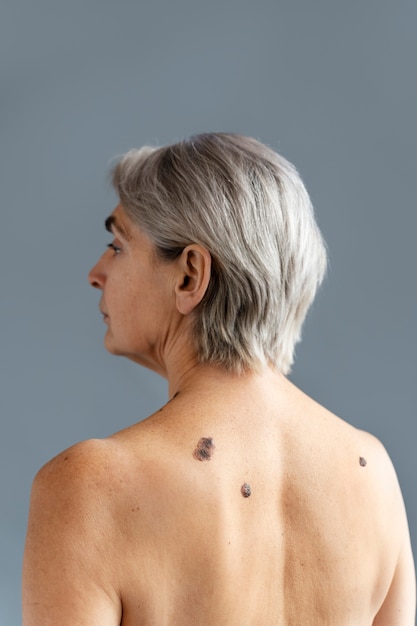
Skin cancer remains the most common type of cancer worldwide, with its incidence continuing to rise. Despite its prevalence, it is one of the most preventable forms of cancer. With the right knowledge and practices, individuals can significantly reduce their risk. General Practitioners (GPs) are at the forefront of providing essential advice and preventive care to combat this growing health concern. This article delves into expert advice from GPs on preventing skin cancer, ensuring that individuals are well-equipped to protect their skin against harmful UV exposure.
Understanding Skin Cancer
Skin cancer occurs when skin cells grow uncontrollably, often due to damage from ultraviolet (UV) radiation. There are three primary types:
- Basal cell carcinoma (BCC): The most common form, often appearing as a painless raised area of skin.
- Squamous cell carcinoma (SCC): Characterized by red, scaly patches or open sores that may bleed.
- Melanoma: The most dangerous form, recognized by changes in existing moles or the development of new, unusual growths.
Expert Advice from GPs
Regular Skin Checks
Routine skin examinations are crucial in early detection and prevention. GPs often recommend:
- Scheduling regular professional skin checks, particularly for individuals with a family history of skin cancer.
- Performing monthly self-examinations to spot any new or changing lesions.
- Utilizing tools like the ABCDE rule (Asymmetry, Border, Color, Diameter, Evolving) to evaluate moles and growths.
To discover expert strategies here for conducting effective self-examinations.
Sun Protection Strategies
Protecting skin from UV radiation is a cornerstone of preventing skin cancer. GPs recommend:
- Wearing broad-spectrum sunscreen with an SPF of 30 or higher daily, even on cloudy days.
- Reapplying sunscreen every two hours and after swimming or sweating.
- Wearing protective clothing, hats, and sunglasses when outdoors.
- Seeking shade during peak UV radiation hours, typically between 10 a.m. and 4 p.m.
Learn about our tailored solutions to enhance your sun protection routine.
Debunking Myths about Skin Cancer
There are several misconceptions about skin cancer that can hinder prevention efforts:
- Myth: Only individuals with fair skin are at risk.
- Fact: Skin cancer can affect individuals of all skin tones.
- Myth: You can’t get sunburned on cloudy days.
- Fact: UV rays can penetrate clouds, leading to sunburn.
Find out more about this approach to dispel common myths and enhance your understanding.
When to Consult Your GP
Early intervention is vital. Individuals should consult their GP if they notice:
- Any new or changing moles or skin lesions.
- Unusual skin changes that persist for several weeks.
- Growths that itch, bleed, or do not heal.
Regular consultations can help in exploring advanced guides and tips for comprehensive skin cancer prevention.
Conclusion
Prevention is the most effective strategy against skin cancer. By following expert advice provided by GPs, individuals can significantly reduce their risk. Regular skin checks, diligent sun protection, and understanding the realities of skin cancer are critical steps in maintaining skin health. For more personalized advice and to learn about comprehensive preventive care, consider consulting a qualified GP. By staying informed and proactive, individuals can safeguard their health and enjoy the sun responsibly.
