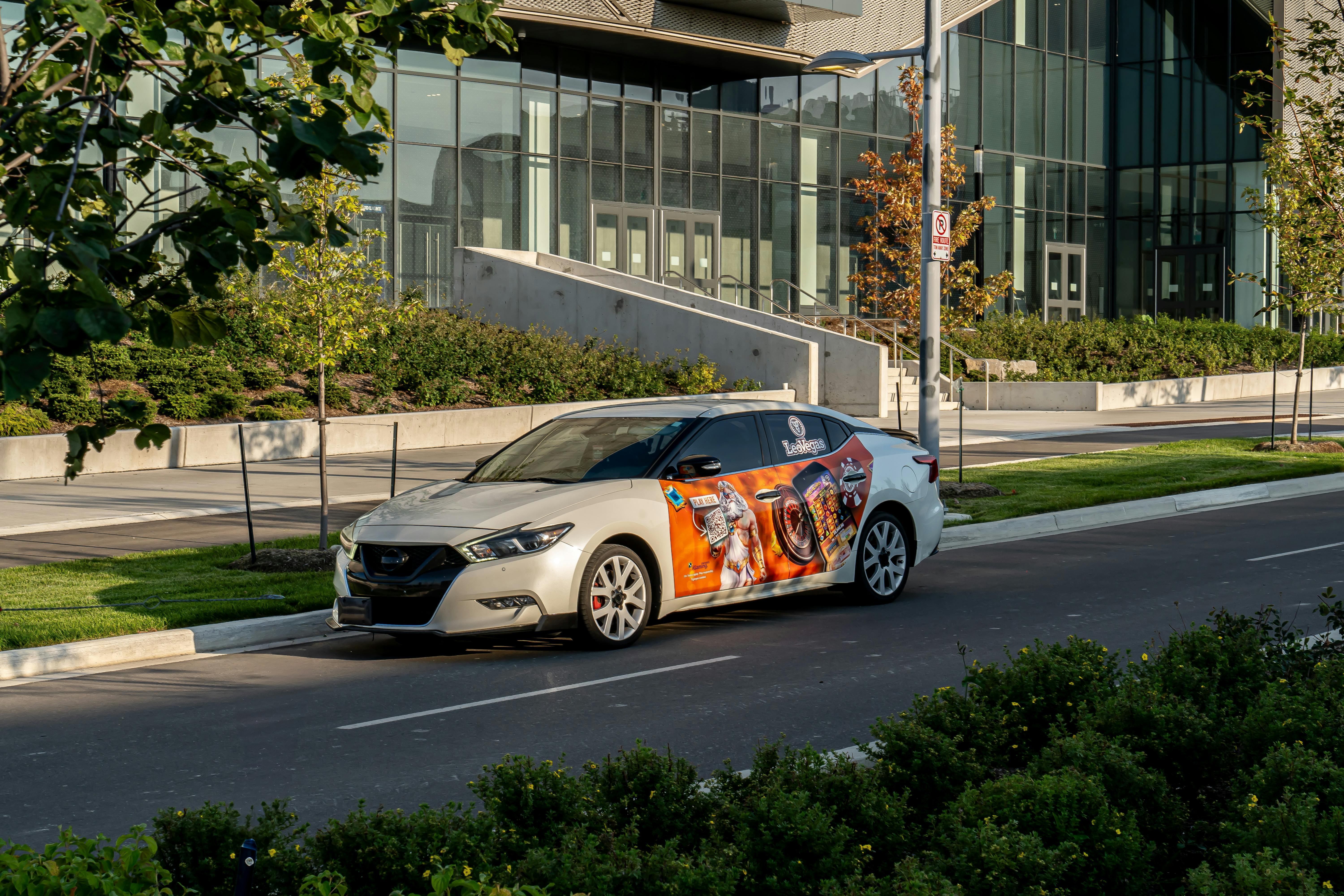
In today’s competitive market, vehicle wraps have emerged as a highly effective form of mobile advertising. Businesses and individuals alike are leveraging this medium to increase visibility and brand recognition. However, when deciding between a partial car wrap and a full wrap, several factors need to be considered. This article explores the key differences, advantages, and considerations of both options to help guide your decision.
Understanding Partial Car Wraps
A partial vehicle wrap typically covers certain sections of a vehicle, such as the hood, roof, or sides. It is an economical choice that still offers significant branding opportunities.
Advantages of Partial Car Wraps
- Cost-Effective: A partial car wrap cost is generally lower compared to a full wrap, making it a budget-friendly option.
- Flexible Design: Allows for creative designs that can strategically highlight specific parts of the vehicle.
- Shorter Installation Time: With less surface area to cover, installation is quicker, reducing downtime for the vehicle.
- Potential for High Impact: When designed effectively, a partial wrap can be as eye-catching as a full wrap.
Exploring Full Vehicle Wraps
A full vehicle wrap covers the entire surface of a vehicle, transforming its appearance completely. This option is often chosen by businesses that want maximum exposure and a cohesive brand image.
Benefits of Full Wraps
- Total Coverage: Provides a seamless and comprehensive branding opportunity by covering the entire vehicle.
- Consistent Branding: Ensures uniformity and consistency in brand messaging and aesthetics.
- Protection: Offers an added layer of protection to the vehicle’s paint, preserving its condition.
- High Visibility: Ensures maximum exposure as the entire vehicle serves as a moving billboard.
Factors to Consider When Choosing Between Partial and Full Wraps
When deciding whether to opt for a truck half wrap or a full wrap, consider the following factors:
- Budget: Determine the financial resources available for the project. Partial wraps are typically more affordable.
- Marketing Goals: Define what the wrap is intended to achieve. Is it for brand awareness, specific promotions, or just aesthetic enhancement?
- Vehicle Size and Type: The size and shape of the vehicle might influence whether a partial or full wrap is more appropriate.
- Design Preferences: Consider the creative design options available and how they align with brand identity.
- Longevity and Durability: Assess how long the wrap is expected to last and the environmental conditions it will face.
Conclusion
Both partial and full vehicle wraps offer unique advantages that can enhance brand visibility and recognition. A partial car wrap is cost-effective and allows for strategic branding, while a full wrap provides comprehensive coverage and maximum impact. By assessing budget, marketing objectives, and design preferences, businesses and individuals can make an informed decision that aligns with their goals. Whether choosing a partial wrap for its flexibility or a full wrap for its exhaustive branding potential, vehicle wraps are a powerful tool in modern advertising.
