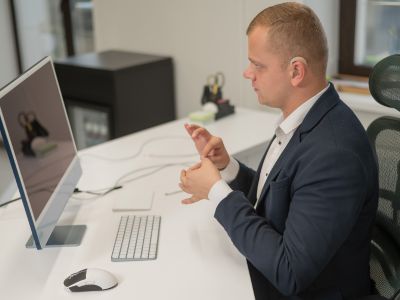
The landscape of job searching has evolved significantly, with virtual career fairs becoming a pivotal platform for connecting job seekers with potential employers. For individuals with disabilities, these digital arenas offer both opportunities and challenges. Navigating these virtual spaces effectively can open doors to rewarding career paths while promoting inclusivity and accessibility in the job market. This article delves into strategies and considerations for individuals with disabilities to maximize their experience at virtual career fairs.
Understanding the Virtual Career Fair Environment
Virtual career fairs operate on digital platforms designed to simulate the experience of traditional in-person job fairs. They typically feature:
- Virtual booths where companies can present information about their organization and job openings.
- Opportunities for live chats or video calls with recruiters.
- Webinars or presentations about industry trends and career advice.
For individuals with disabilities, these virtual fairs can offer a more accessible alternative to physical events. The absence of travel and physical barriers can allow for more focus on the conversations that matter. However, it is crucial to ensure the platform used is accessible and supports assistive technologies. Find out more about this approach.
Preparing for a Virtual Career Fair
Research and Registration
Preparation is key to making the most of a virtual career fair. Start by researching the companies that will be present and the roles they are offering. Understanding the company culture and values can help tailor your approach when interacting with recruiters. Register early to secure a spot and receive any preparatory materials or instructions the event organizers provide. Explore advanced guides and tips.
Technology Check
Ensure that the technology you will be using is up-to-date and compatible with the virtual platform. This includes:
- Reliable internet connection.
- Updated web browsers and operating systems.
- Functioning webcam and microphone for video interactions.
- Compatible assistive technologies if required.
Consider conducting a test run with a friend or family member to troubleshoot any potential issues beforehand.
Engaging with Employers
Crafting Your Pitch
In a virtual setting, communication is key. Prepare a concise and compelling elevator pitch that highlights your skills, experiences, and what you bring to the table. Tailor your pitch to align with the specific roles you are interested in. Discover expert strategies here.
Participating in Live Sessions
Take advantage of live chats and video calls to engage directly with recruiters. Be prepared with questions and topics for discussion, and use these opportunities to demonstrate your enthusiasm and fit for the role. Remember, first impressions are crucial even in a digital format.
After the Fair: Following Up
After the event, follow up with the recruiters you interacted with. A well-crafted thank you email reiterating your interest can help keep you top of mind. Include specific details from your conversation to personalize your message. This step not only shows your professionalism but also reinforces your interest in the position. Learn about our tailored solutions.
Reflecting and Planning Ahead
Reflect on your experience at the virtual career fair. Consider what worked well and what could be improved for future events. Use this reflection to refine your approach and enhance your preparedness for upcoming opportunities.
Virtual career fairs represent a significant shift in the way job markets function, offering numerous advantages for individuals with disabilities. By preparing thoroughly and engaging effectively, these events can become a vital component of a successful job search strategy. For more information on navigating these platforms and enhancing your job search, Explore advanced guides and tips.
