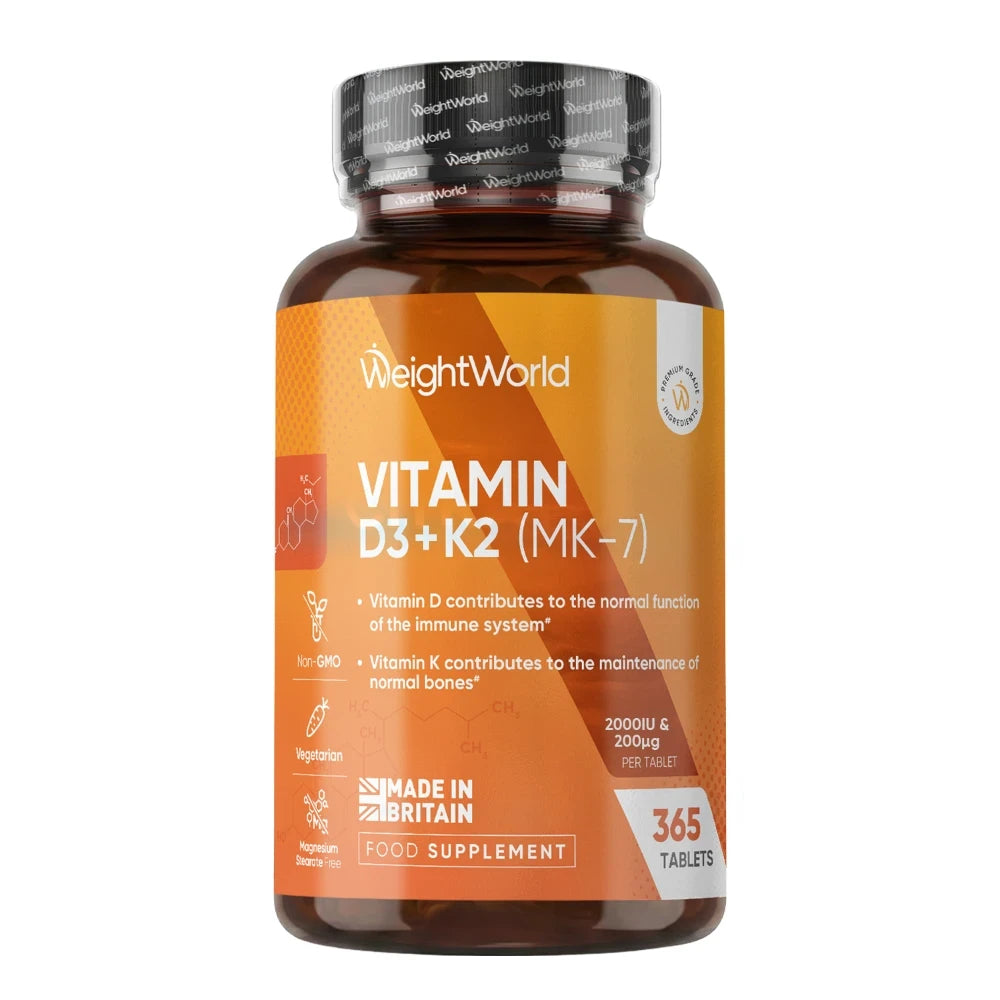
In today’s health-focused society, the market for dietary supplements has exploded. From vitamins and minerals to botanical extracts and protein powders, consumers are faced with an overwhelming array of options. While many products can fill genuine nutritional gaps, others promise benefits that lack scientific backing. Understanding how to evaluate these products, recognize quality indicators, and integrate them safely into a balanced lifestyle is essential for anyone looking to enhance wellbeing without unnecessary risk.
Understanding the Basics: What Are Supplements?
Supplements are concentrated sources of nutrients or other substances with a nutritional or physiological effect. They come in many forms, including tablets, capsules, powders, liquids, and gummies. The primary categories include:
- Vitamins and minerals: Essential micronutrients that support metabolic processes.
- Herbal and botanical extracts: Plant-derived compounds such as turmeric, ginseng, and green tea.
- Protein and amino acids: Building blocks for muscle repair and growth.
- Specialty ingredients: Omega-3 fatty acids, probiotics, and collagen.
Key Considerations Before Choosing a Product
1. Verify the Ingredient List
A transparent label is a hallmark of quality. Look for:
- Exact ingredient names (e.g., “Vitamin D3 (cholecalciferol)” rather than vague “Vitamin D”).
- Standardized extracts with percentage potency (e.g., “Standardized to 95% curcuminoids”).
- Absence of unnecessary fillers, artificial colors, or excessive sugars.
2. Assess Third-Party Testing
Independent testing ensures that what’s on the label matches what’s inside. Certifications from organizations such as NSF International, USP, or Informed-Sport add credibility.
3. Consider Dosage and Bioavailability
Effective dosage varies by nutrient and individual needs. Forms that enhance absorption, like methylated B-vitamins or magnesium citrate, can be more beneficial than less bioavailable versions.
Safety and Interactions
Even natural-derived supplements can interact with medications or medical conditions. Always consult a healthcare professional before starting a new regimen, especially if you are:
- Taking prescription drugs (e.g., blood thinners, antihypertensives).
- Pregnant, nursing, or managing chronic illnesses.
- Using multiple supplements simultaneously, which can increase the risk of excessive nutrient intake.
How to Incorporate Supplements Effectively
Supplements should complement, not replace, a balanced diet. Here are practical steps for integration:
- Identify Gaps: Use a food diary or nutrient analysis to pinpoint deficiencies.
- Start Small: Introduce one product at a time to monitor tolerance and efficacy.
- Timing Matters: Some nutrients (e.g., fat-soluble vitamins) are best taken with meals, while others (e.g., iron) may require an empty stomach.
- Track Outcomes: Keep notes on energy levels, sleep quality, and any side effects to evaluate benefit.
Common Myths About Supplements
Understanding the evidence helps separate fact from hype. Below are frequently encountered misconceptions:
- Myth: “More is always better.” Reality: Excessive intake can lead to toxicity, especially with fat-soluble vitamins (A, D, E, K).
- Myth: “Natural means safe.” Reality: Herbs like kava or yohimbe can have serious side effects if misused.
- Myth: “Supplements can replace a healthy diet.” Reality: Whole foods provide fiber, phytonutrients, and synergistic compounds that supplements cannot fully replicate.
Choosing a Trusted Source
When purchasing, prioritize manufacturers that demonstrate:
- Transparent sourcing of raw materials.
- Good Manufacturing Practice (GMP) compliance.
- Clear, science-backed claims supported by peer-reviewed research.
Brands that consistently meet these standards often provide detailed product pages, including research references and batch-specific testing results, helping consumers make informed decisions.
Conclusion
Navigating the expansive world of supplements requires a blend of curiosity, critical thinking, and professional guidance. By scrutinizing ingredient transparency, verifying third-party testing, and aligning supplementation with personal health goals, individuals can harness the benefits of targeted nutrition while minimizing risk. Remember, supplements are tools, most effective when used alongside a balanced diet, regular activity, and ongoing medical advice.
