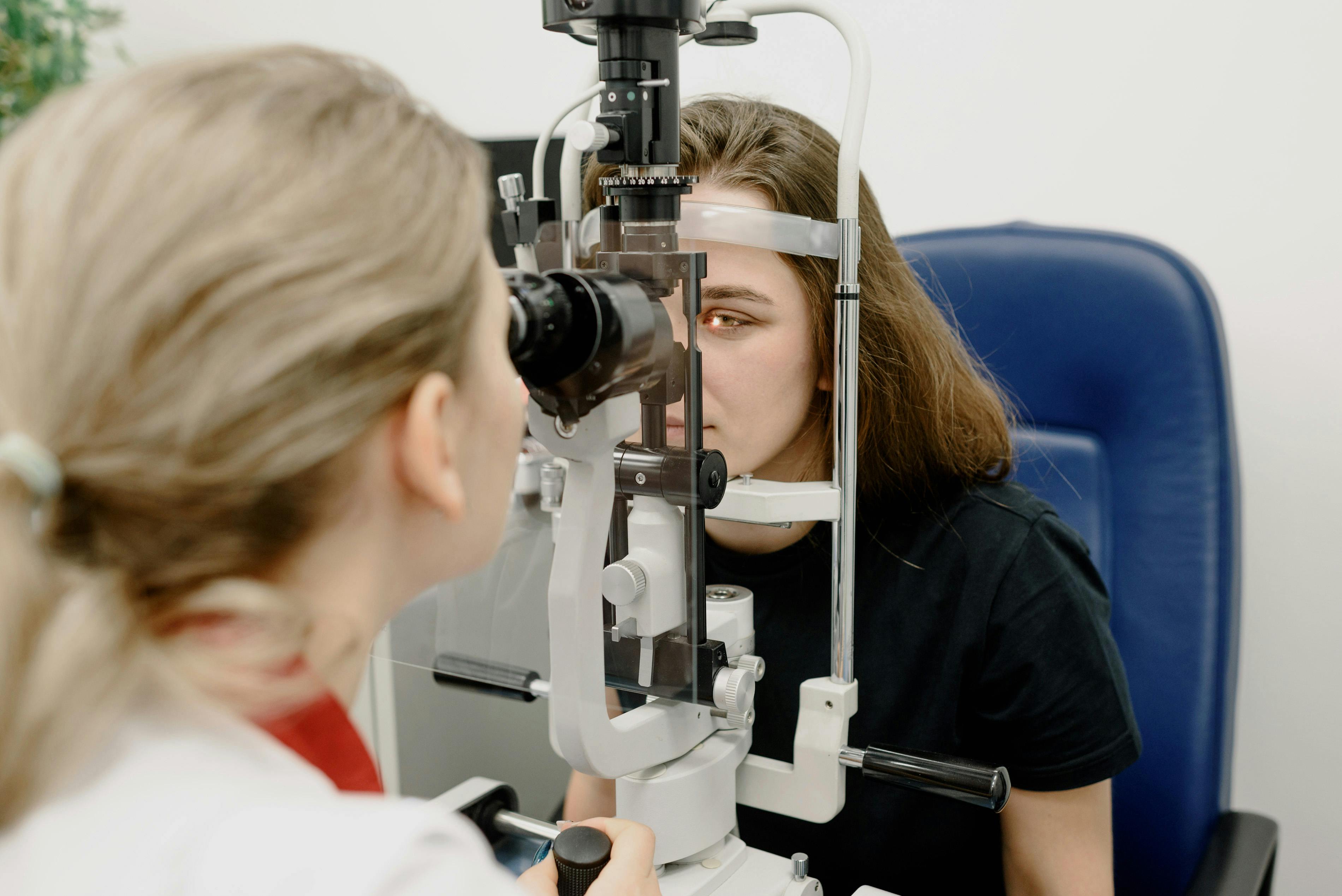
The field of eye care is constantly evolving, with cutting-edge technologies and innovative treatments emerging to enhance vision health and patient care. These advancements are reshaping how eye conditions are diagnosed and treated, offering improved outcomes and a higher quality of life for patients. As such, staying informed about the latest innovations is crucial for both patients and healthcare professionals. This article delves into some of the most significant advancements in eye care, providing insights into how these developments are transforming the industry. Explore advanced guides and tips here.
Revolutionary Diagnostic Tools
Modern diagnostic tools are pivotal in early detection and precise diagnosis of eye conditions. These tools have become more sophisticated, providing clearer insights and comprehensive analyses. Key innovations include:
- Optical Coherence Tomography (OCT): This non-invasive imaging test offers detailed cross-sections of the retina, allowing for early detection of glaucoma, diabetic retinopathy, and macular degeneration.
- Advanced Retinal Imaging: Enhanced imaging technologies provide high-resolution images of the retina, aiding in the identification of subtle changes in retinal health.
- Artificial Intelligence (AI) in Eye Exams: AI algorithms are now employed to analyze imaging data, enhancing diagnostic accuracy and enabling personalized treatment plans. Discover expert strategies here.
Innovative Treatment Options
Laser-Assisted Procedures
Laser technology has revolutionized various eye surgeries, making procedures less invasive and more precise. Key developments include:
- Lasik and PRK: These laser-assisted surgeries correct refractive errors such as myopia, hyperopia, and astigmatism with high precision.
- Laser Cataract Surgery: Using femtosecond lasers, cataract surgery is now more accurate and less invasive, reducing recovery times and improving vision outcomes.
Gene Therapy and Biologics
The integration of gene therapy and biologics in treating eye diseases marks a monumental shift in therapeutic approaches. These treatments focus on targeting the root cause of diseases at a molecular level. Learn about our tailored solutions here.
- Gene Therapy for Retinal Disorders: Treatments are being developed to repair or replace defective genes, offering potential cures for inherited retinal diseases.
- Biologics for Dry Eye: New biologic medications aim to address the underlying inflammation and improve tear production in chronic dry eye conditions.
Telemedicine and Remote Eye Care
The adoption of telemedicine in eye care provides patients with greater access to specialists and reduces the need for frequent office visits. Key advantages include:
- Remote Consultations: Patients can receive expert advice from the comfort of their homes, ensuring continuous care and monitoring of chronic conditions.
- Virtual Follow-ups: Post-operative and routine follow-ups can be conducted virtually, enhancing patient convenience and adherence to treatment plans. Find out more about this approach here.
Conclusion
The landscape of eye care is experiencing unprecedented transformation driven by technological advancements and innovative treatment methodologies. These innovations are not only enhancing diagnostic accuracy and treatment efficacy but are also making eye care more accessible and personalized. Staying informed about these advancements can significantly benefit both patients and practitioners by enabling informed decision-making and optimizing eye health outcomes. As innovation continues to unfold, it remains essential to explore advanced guides and tips to remain at the forefront of eye care excellence.
