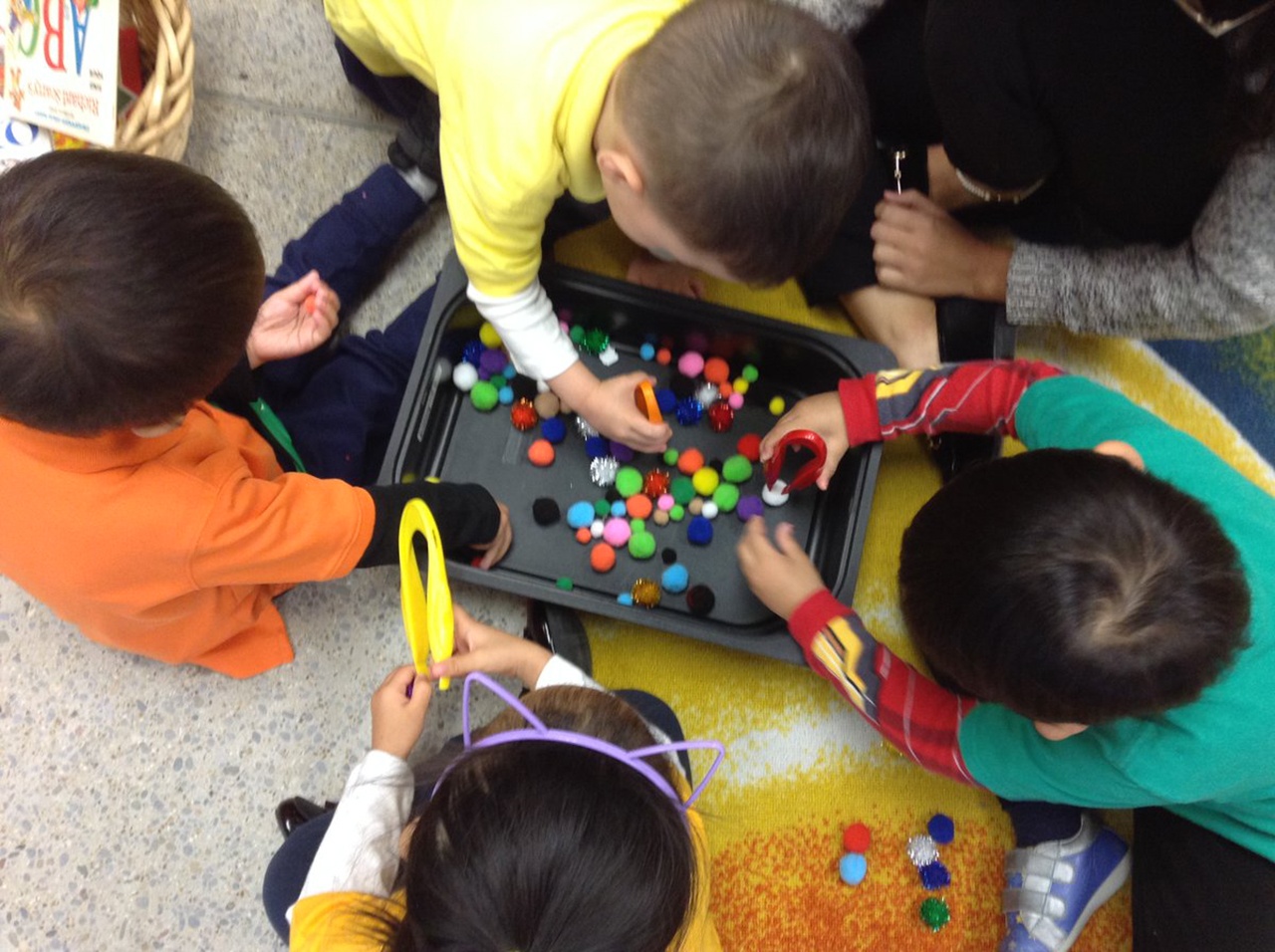
Infant sensory play is a fundamental aspect of early childhood development, offering a wealth of benefits that contribute to a child’s cognitive, emotional, and physical growth. Through sensory play, infants explore their environment, enhance their motor skills, and build neural connections in the brain. This type of play is crucial for nurturing creativity and curiosity, laying a strong foundation for lifelong learning and development. As caregivers and educators seek effective methods to support infant development, understanding the importance of sensory play and incorporating engaging activities into daily routines is essential. For those looking to deepen their understanding and application of sensory play, resources and expert strategies are readily available to guide this enriching process.
Understanding Sensory Play
Sensory play involves activities that stimulate a child’s senses: touch, sight, hearing, smell, and taste. These activities can range from simple to complex, yet each serves to promote development in various areas. Here’s how sensory play benefits infants:
- Cognitive Development: Engaging with different textures and materials helps infants develop problem-solving skills and an understanding of cause and effect.
- Motor Skills: Sensory activities often require grasping, holding, or manipulating objects, which enhances fine and gross motor skills.
- Language Skills: As infants experience new sensations, they also learn new words and concepts, expanding their vocabulary and communication skills.
- Social Emotional Growth: Sensory play can foster social interactions and help infants learn to navigate emotions and social cues.
For more insights into the benefits and methodologies of sensory play, discover expert strategies here.
Implementing Sensory Play Activities
Implementing sensory play is not only enjoyable but also straightforward. Here are some activities that can be easily integrated into an infant’s daily routine:
Water Play
Water play is a versatile activity that can be adapted for infants of all ages. It encourages exploration and experimentation with different water temperatures, textures, and tools like cups or sponges. Ensure that water play is always supervised to ensure safety.
Textured Materials
Introduce a variety of textured materials such as soft fabrics, sponges, or textured balls. This activity stimulates the sense of touch and helps infants differentiate between textures, promoting sensory discrimination.
To learn about tailored solutions for incorporating textured materials into sensory play, learn about our tailored solutions.
Musical Exploration
Music and sound are integral to sensory play. Provide instruments like rattles or drums, and encourage infants to create sounds. This not only enhances auditory skills but can also improve rhythm and coordination.
Taste-Safe Sensory Bins
Sensory bins filled with edible items like cereal or pasta offer a safe and engaging sensory experience. Infants can explore using their sense of taste and touch under close supervision.
For advanced guides and tips on creating sensory bins, explore advanced guides and tips.
Creating a Sensory-Friendly Environment
A sensory-friendly environment is key to maximizing the benefits of sensory play. Consider these tips when setting up a space:
- Safety First: Ensure all materials and activities are age-appropriate and non-toxic.
- Variety of Sensations: Include a balance of stimulating and calming activities to cater to different sensory needs.
- Comfortable Space: Provide a comfortable and inviting area for infants to explore without restrictions.
- Regular Rotation: Rotate toys and materials regularly to maintain interest and stimulate curiosity.
Find out more about this approach to creating a sensory-friendly environment by visiting this resource.
Incorporating sensory play into an infant’s routine is a rewarding endeavor that supports comprehensive development. By engaging in thoughtfully designed activities, caregivers can nurture a child’s potential and foster a lifelong love for learning. Embrace the opportunities that sensory play provides, and watch as infants thrive and discover the world around them.
