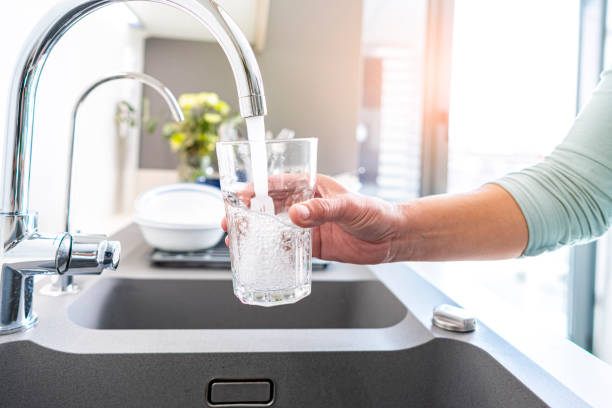
Access to clean and safe drinking water is a fundamental human need, yet the quality of water available can often be compromised by various impurities. This is where advanced filtration systems come into play, with the reverse osmosis filter system being a standout solution. Known for its ability to remove a wide range of contaminants, the reverse osmosis system ensures that the water consumed is pure and safe. Understanding how this system works and its benefits can guide informed decisions for maintaining water quality at home or in commercial settings.
What is Reverse Osmosis?
Reverse osmosis is a water purification process that uses a semi-permeable membrane to remove ions, molecules, and larger particles from drinking water. It is a highly efficient method for filtering out impurities, providing a significant improvement in water quality.
Key Features of Reverse Osmosis Systems:
- Effective Removal of Contaminants: Capable of eliminating up to 99% of dissolved salts, particles, organics, and bacteria.
- Improved Taste and Odor: Enhances the taste and smell of water by removing chlorine and other chemicals.
- Energy Efficient: Operates without the need for electricity, relying solely on water pressure.
To explore advanced guides and tips on implementing reverse osmosis systems, discover expert strategies here.
How Does a Reverse Osmosis System Work?
The reverse osmosis process involves several stages, each designed to target specific types of contaminants. Understanding these stages can help in appreciating the complexity and effectiveness of the system.
Stages of Reverse Osmosis Filtration:
- Pre-Filtration: Typically includes sediment and carbon filters to remove larger particles and chlorine, protecting the membrane.
- Reverse Osmosis Membrane: The core of the system, filtering out dissolved contaminants on a molecular level.
- Post-Filtration: Additional carbon filters to polish the water, ensuring any remaining tastes or odors are eliminated.
For more detailed insights into each stage, explore advanced guides and tips.
Benefits of Using Reverse Osmosis Systems
Investing in a reverse osmosis system offers numerous benefits that extend beyond just clean drinking water. Here are some of the key advantages:
- Health Protection: By removing harmful contaminants, reverse osmosis systems protect against waterborne diseases.
- Cost-Effective: Reduces the need for bottled water, leading to significant savings over time.
- Environmental Impact: Minimizes plastic waste due to decreased reliance on bottled water.
To learn about our tailored solutions that address specific water quality challenges, find out more about this approach.
Considerations When Choosing a System
Selecting the right reverse osmosis system involves considering various factors to ensure it meets specific requirements and fits well within the intended environment.
Factors to Consider:
- Water Quality: Analyze the current quality of water to determine the level of filtration needed.
- System Capacity: Ensure the system can handle the volume of water required for daily usage.
- Maintenance Needs: Consider the ease of replacing filters and overall system maintenance.
For guidance on selecting the optimal system for your needs, learn about our tailored solutions.
Conclusion
The reverse osmosis filter system is a powerful tool in ensuring access to clean and safe drinking water. By understanding its operation, benefits, and considerations, individuals can make informed decisions that not only enhance water quality but also contribute to overall health and environmental sustainability. Find out more about this approach to water filtration and take a step towards improved water safety and quality.
