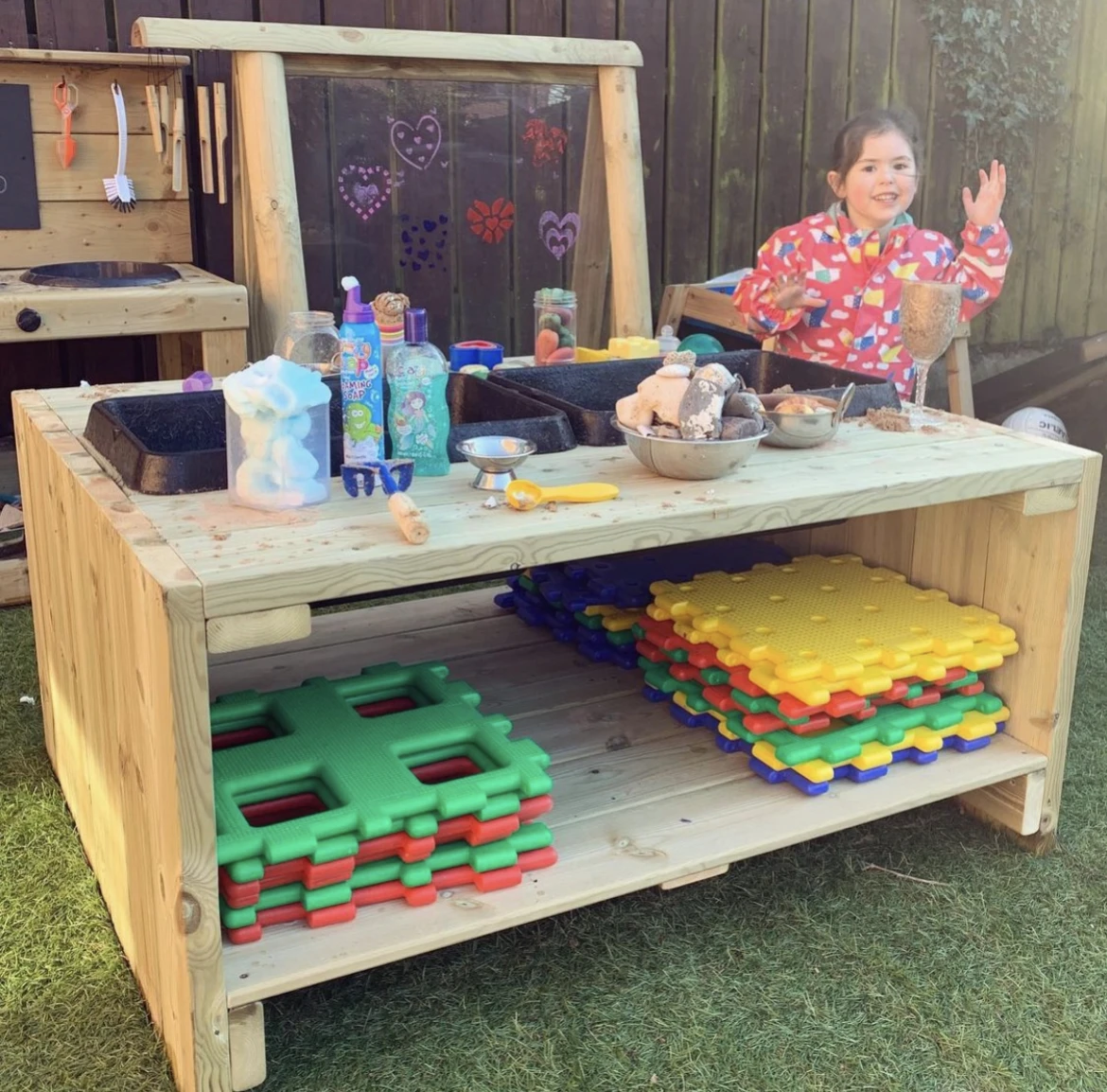
Sensory play is a vital component of early childhood development that engages a child”?s senses, including touch, sight, taste, smell, and hearing. This form of play not only provides essential stimulation for babies but also fosters their cognitive, physical, emotional, and social growth. As caregivers and educators seek innovative ways to support child development, understanding the benefits and activities associated with sensory play is crucial. This article delves into the significance of sensory play for babies, offering insights into its benefits and practical activities that can be easily incorporated into daily routines.
The Benefits of Sensory Play
Sensory play offers a multitude of benefits that are essential for a baby”?s growth and development. Here are some key advantages:
- Cognitive Development: Sensory play enhances cognitive skills by encouraging exploration and curiosity. It helps in the formation of neural connections in the brain, which are vital for learning and problem-solving.
- Language Development: Through sensory play, babies are exposed to new textures and sensations, which fosters language and communication skills as they learn to describe their experiences.
- Fine and Gross Motor Skills: Activities that involve grasping, clapping, or moving through different textures help develop both fine and gross motor skills.
- Social Interaction: Group sensory play sessions can improve social skills, teaching babies the basics of sharing and cooperation.
- Emotional Regulation: Engaging in sensory activities can be soothing and help babies manage emotions, reducing anxiety and stress.
For more insights on the benefits of sensory play, discover expert strategies here.
Effective Sensory Play Activities
1. Tactile Play
Tactile play involves activities that stimulate the sense of touch. This can include:
- Sand Play: Allowing babies to play with sand can enhance their tactile sense while encouraging creative play.
- Water Play: Simple activities like splashing in water or using plastic cups can be both fun and educational.
- Playing with Textures: Introduce different fabrics and textured toys to stimulate the tactile sense.
Find out more about this approach by exploring advanced guides and tips.
2. Auditory Play
Auditory play focuses on developing a baby”?s sense of hearing and can include:
- Musical Instruments: Simple instruments like maracas or tambourines are excellent for auditory stimulation.
- Nature Sounds: Playing recordings of birds chirping or waves crashing can introduce babies to various sounds.
- Sound Games: Games that involve listening and responding to different sounds can boost auditory skills.
For a deeper understanding of auditory play, explore advanced guides and tips.
3. Visual Play
Visual play helps in developing a baby”?s sight and includes activities such as:
- Brightly Colored Toys: Toys with vivid colors can stimulate visual development.
- Picture Books: Reading colorful picture books is not only engaging but also educational.
- Light Shows: Simple light shows or patterns can captivate and develop a baby”?s visual tracking skills.
To learn more about visual stimulation techniques, find out more about this approach.
Conclusion
Incorporating sensory play into a baby”?s routine is an invaluable investment in their development. By engaging multiple senses, sensory play supports the holistic growth of a child, preparing them for future learning and interactions. As caregivers continue to explore and implement these activities, the positive impact on the child’s development becomes evident. For more expert insights and tailored solutions on sensory play, learn about our tailored solutions.
