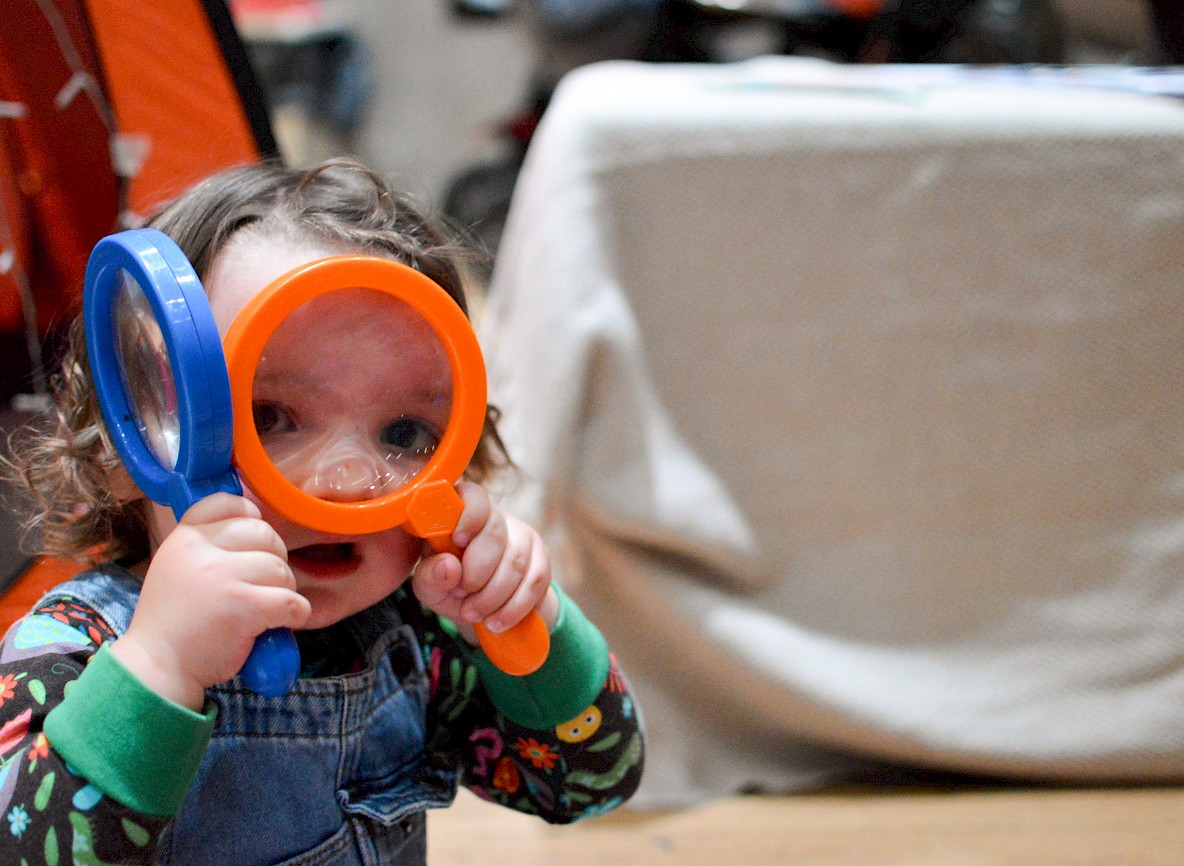
The early years of a child’s life are a period of rapid development and growth, making it crucial to provide stimulating environments that foster this natural progression. Sensory play is an invaluable tool in this regard, offering a range of experiences that engage a child’s senses and promote cognitive, physical, and emotional development. This article delves into the benefits of sensory play for infants and provides a variety of activities that can be easily incorporated into daily routines.
Understanding Infant Sensory Play
Infant sensory play involves activities that activate and engage a baby’s senses: sight, sound, touch, taste, and smell. These play activities are essential in helping infants make sense of the world around them. Sensory play can include anything from playing with textured toys to listening to different sounds or exploring colorful objects.
Benefits of Sensory Play
Sensory play is not only fun but also instrumental in a child’s development. Here are some key benefits:
- Cognitive Development: Engaging in sensory play enhances brain development by forming connections between neural pathways. This helps in improving problem-solving skills and cognitive abilities.
- Motor Skills: Activities that involve reaching, grasping, and manipulating objects help in developing fine and gross motor skills.
- Language Development: Sensory experiences can lead to language development as infants learn to describe their experiences and surroundings.
- Social Interaction: Sensory play often involves interaction with caregivers or peers, fostering social skills and emotional bonds.
- Emotional Regulation: Experiencing different textures and sounds can help infants learn to manage their emotions and reactions.
For more insights into how sensory play can support development, explore advanced guides and tips.
Activities to Promote Sensory Development
Visual Stimulation
Visual experiences are crucial for infants as they help in developing vision and focus. Here are some activities to consider:
- Contrasting Colors: Use toys and books with high contrast colors such as black and white to capture your infant’s attention.
- Movement and Light: Mobiles and light reflectors can fascinate infants and encourage them to track movement with their eyes.
To delve deeper into visual stimulation techniques, discover expert strategies here.
Auditory Experiences
Sound plays a significant role in an infant’s world. Engaging their auditory senses can be both soothing and educational. Consider the following activities:
- Music and Rhythm: Playing soft music or singing lullabies helps in developing auditory skills and can be soothing for infants.
- Sound Exploration: Introduce a variety of sounds using rattles, bells, or simple household objects to help infants distinguish between different noises.
Find out more about these auditory approaches here.
Tactile Exploration
Touch is one of the first senses to develop in infants. Encouraging tactile exploration helps in the development of sensory perception and fine motor skills.
- Textured Toys: Provide toys with different textures such as soft, rough, or bumpy surfaces.
- Safe Sensory Bins: Fill a bin with safe objects like soft fabrics, rubber balls, or water beads for tactile exploration.
For more ideas on tactile play, learn about our tailored solutions.
Conclusion
Sensory play is a vital element of early childhood development, offering a wealth of benefits that support an infant’s growth across multiple domains. By incorporating a variety of sensory activities into daily routines, caregivers can help infants explore their environment and develop critical skills. For comprehensive resources and strategies on implementing sensory play, explore advanced guides and tips available through expert platforms. These resources can provide invaluable insights into creating enriching sensory experiences that will benefit children for years to come.
