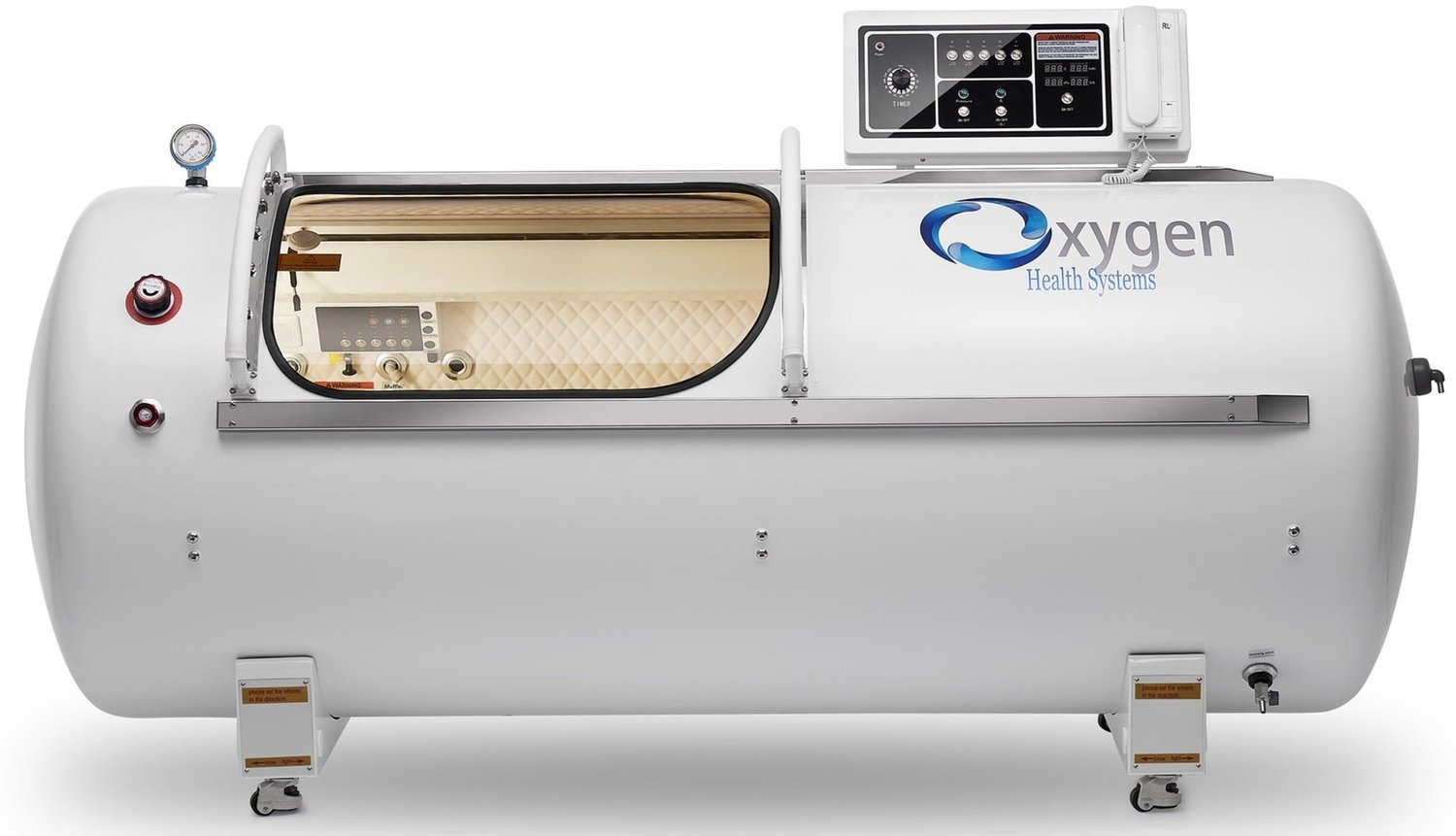
As the world continues to grapple with the aftermath of the COVID-19 pandemic, a condition known as Long COVID has emerged, affecting a significant number of individuals who have recovered from the initial infection. Patients experiencing Long COVID report a variety of prolonged symptoms, including fatigue, cognitive difficulties, and respiratory problems. In the quest to find effective treatments, Hyperbaric Oxygen Therapy (HBOT) has garnered attention as a potential solution. This article delves into the mechanics of HBOT, its potential benefits for Long COVID patients, and what current research suggests about its efficacy.
Understanding Hyperbaric Oxygen Therapy
Hyperbaric Oxygen Therapy involves breathing pure oxygen in a pressurized room or chamber. Traditionally used to treat decompression sickness and non-healing wounds, this therapy is being explored for a variety of other conditions, including Long COVID. The increased pressure allows the lungs to gather more oxygen, which is then carried throughout the body’s tissues, potentially aiding in recovery and reducing inflammation.
The Science Behind HBOT
- Enhanced Oxygen Delivery: Under increased pressure, oxygen dissolves more readily into the blood and is transported efficiently to areas with diminished circulation.
- Tissue Regeneration: Oxygen-rich blood can promote healing and regeneration in damaged tissues, which is crucial for patients with Long COVID who may suffer from lingering tissue damage.
- Immune System Modulation: HBOT can help modulate the immune system, potentially reducing the chronic inflammatory response seen in Long COVID cases.
Explore advanced guides and tips on the application of HBOT for Long COVID here.
HBOT and Long COVID: Current Research
While HBOT is not universally accepted as a standard treatment for Long COVID, emerging studies suggest it may hold promise. Researchers have observed improvements in symptoms such as fatigue, brain fog, and sleep disturbances after a series of HBOT sessions. However, more extensive clinical trials are needed to conclusively determine its efficacy and safety for this specific application.
Key Findings from Recent Studies
- Symptom Relief: Participants in preliminary studies have reported significant relief from Long COVID symptoms after undergoing HBOT.
- Improved Quality of Life: Many patients have experienced enhanced quality of life, with reductions in both physical and cognitive symptoms.
- Potential Risks: As with any medical treatment, HBOT carries potential risks, such as barotrauma or oxygen toxicity, highlighting the importance of professional oversight.
For those interested in the latest research and tailored solutions, find out more about this approach.
Considering HBOT as a Treatment Option
For patients considering HBOT, consultation with healthcare professionals is essential. An individualized treatment plan should be developed, taking into account the patient?s health status and specific symptoms. Facilities offering HBOT for Long COVID should adhere to rigorous safety protocols and be staffed by trained professionals.
Learn about our tailored solutions and how HBOT can be integrated into a comprehensive treatment plan here.
Future Directions and Conclusion
The exploration of HBOT as a treatment for Long COVID is still in its early stages. As research continues, this therapy could become a valuable tool in managing post-COVID conditions. Patients and healthcare providers should stay informed about new developments and consider HBOT as part of a broader, multi-faceted approach to treating Long COVID.
For those seeking expert strategies and comprehensive insights, discover expert strategies here.
In conclusion, while HBOT presents a promising avenue for alleviating some of the persistent symptoms associated with Long COVID, it is important for individuals to weigh the potential benefits and risks, and to seek guidance from medical professionals when considering this therapy.
