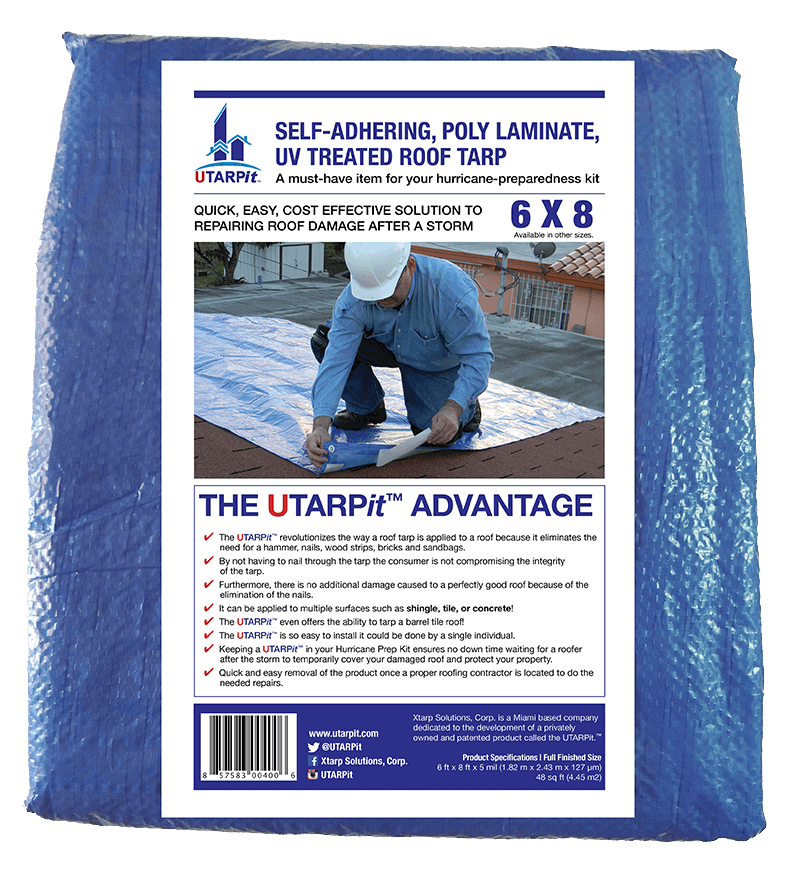
Choosing the right waterproof tarp is essential for a variety of applications, whether it’s for protecting equipment, covering a vehicle, or safeguarding a construction site. With the vast array of options available, selecting a durable and reliable tarp can be a daunting task. This guide provides expert tips to help you make an informed decision when purchasing a waterproof tarp that meets your specific needs and withstands the elements.
Understanding Material Choices
The material of a tarp significantly influences its durability and effectiveness in waterproofing. Common materials include:
- Polyethylene (PE): Known for its lightweight and water-resistant properties, PE tarps are ideal for temporary use.
- Vinyl: A heavier option, vinyl tarps offer superior durability and are better suited for long-term applications.
- Canvas: While not naturally waterproof, treated canvas tarps provide breathability and robustness, making them suitable for outdoor use.
Considerations for Tarp Usage
When selecting a waterproof tarp, consider how and where it will be used. Key factors include:
Weather Resistance
In areas prone to harsh weather conditions, a tarp’s ability to withstand rain, wind, and UV rays is crucial. Look for tarps with UV inhibitors and reinforced corners for added strength.
Size and Fit
Ensuring the tarp fits the intended area is essential. Measure the dimensions of the space or object to be covered, and select a tarp that offers adequate overhang for secure fastening.
Features to Look For
High-quality waterproof tarps come equipped with features that enhance their performance and longevity. Key features include:
- Grommets: Metal or reinforced grommets provide secure attachment points, preventing tears.
- Reinforced Edges: Double-stitched or heat-sealed edges help prevent fraying and enhance durability.
- Mildew Resistance: Treated tarps resist mold and mildew, extending their lifespan.
Price vs. Quality
While budget constraints are a consideration, investing in a quality tarp can save money in the long run. Cheap tarps may degrade quickly, leading to additional costs for replacements. It’s advisable to purchase from reputable sources, ensuring the tarp’s lifespan and effectiveness.
Eco-Friendly Options
For environmentally conscious consumers, selecting tarps made from recycled materials or those designed for sustainability can be a priority. These options often offer similar durability and performance as traditional tarps.
When exploring different waterproof tarps, taking these factors into account can guide you towards a choice that aligns with both your needs and environmental values.
Conclusion
Selecting the right waterproof tarp involves careful consideration of material, intended use, and specific features. By understanding these elements, consumers can make informed decisions that ensure their chosen tarp will provide reliable protection and longevity. Whether for personal or professional use, a well-chosen tarp can be a valuable asset for safeguarding belongings and investments.
