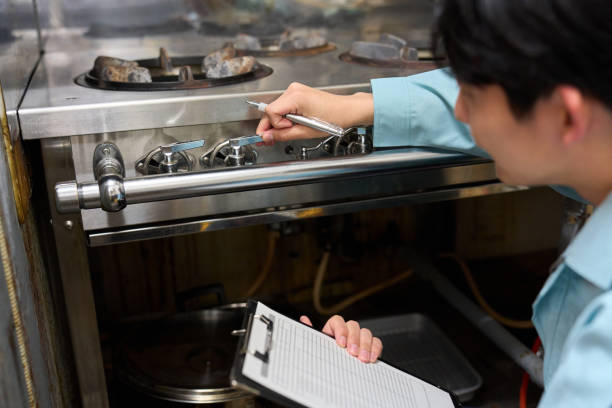
In the fast-paced environment of the hospitality industry, a fully functional kitchen is crucial for the smooth operation of any restaurant or catering business. The need for reliable commercial kitchen repair services becomes evident when equipment malfunctions, causing potential delays in service and impacting customer satisfaction. Understanding the essential tips for maintaining and repairing commercial kitchen equipment can help minimize downtime and ensure continuous service.
Regular Maintenance: The First Line of Defense
Preventive maintenance is key to prolonging the life of kitchen appliances and avoiding unexpected breakdowns. By implementing a regular maintenance schedule, you can identify potential issues before they become major problems.
- Schedule routine inspections: Regular checks can help identify wear and tear, leaks, or other issues that might need attention.
- Keep equipment clean: Regular cleaning of appliances prevents the buildup of dirt and grease, which can lead to malfunction or inefficiency.
- Ensure proper calibration: Regularly calibrating equipment ensures it operates at the correct settings, optimizing performance and energy consumption.
Understanding the Signs of Equipment Failure
Being able to recognize early warning signs of equipment failure can save time and money. Here are some indicators to watch for:
- Inconsistent Temperature: If ovens, fridges, or freezers aren’t maintaining the correct temperature, it could indicate a problem.
- Unusual Noises: Strange sounds from appliances often signal mechanical issues that need attention.
- Increased Energy Bills: A sudden rise in energy costs might indicate equipment inefficiency, which could require repair or replacement.
Choosing the Right Repair Services
When a breakdown occurs, selecting the right repair service is critical to restoring operations quickly and efficiently. Consider the following:
- Expertise and Experience: Choose a service provider with extensive experience in commercial kitchen repair to ensure high-quality service.
- Response Time: Opt for a company known for quick response times to minimize downtime.
- Availability of Parts: Ensure the repair service has access to a wide range of parts, reducing waiting times for replacements.
Investing in Quality Equipment
While regular maintenance and repair are vital, investing in high-quality equipment from the start can significantly reduce the likelihood of frequent repairs.
- Research Brands: Choose reputable brands known for durability and reliability in commercial settings.
- Warranty and Service Plans: Look for appliances that come with comprehensive warranties and service plans, providing peace of mind and cost savings.
- Energy Efficiency: Selecting energy-efficient equipment can reduce operational costs and improve sustainability.
Training Staff for Proper Equipment Use
Proper training can significantly reduce equipment misuse, which is a common cause of damage and failure.
- Comprehensive Training: Ensure all staff are trained on the correct usage, cleaning, and maintenance of kitchen equipment.
- Regular Refresher Courses: Conduct periodic training sessions to reinforce best practices and introduce any new procedures or equipment.
- Clear Operating Procedures: Develop clear, concise operating procedures and ensure they are easily accessible to all staff.
By understanding and implementing these essential tips, commercial kitchen operators can maintain a reliable kitchen environment, ensuring that service disruptions are minimized and efficiency is maximized. Whether it”?s through regular maintenance, recognizing signs of failure, or choosing the right repair services, taking proactive steps is crucial for the seamless operation of any commercial kitchen.
