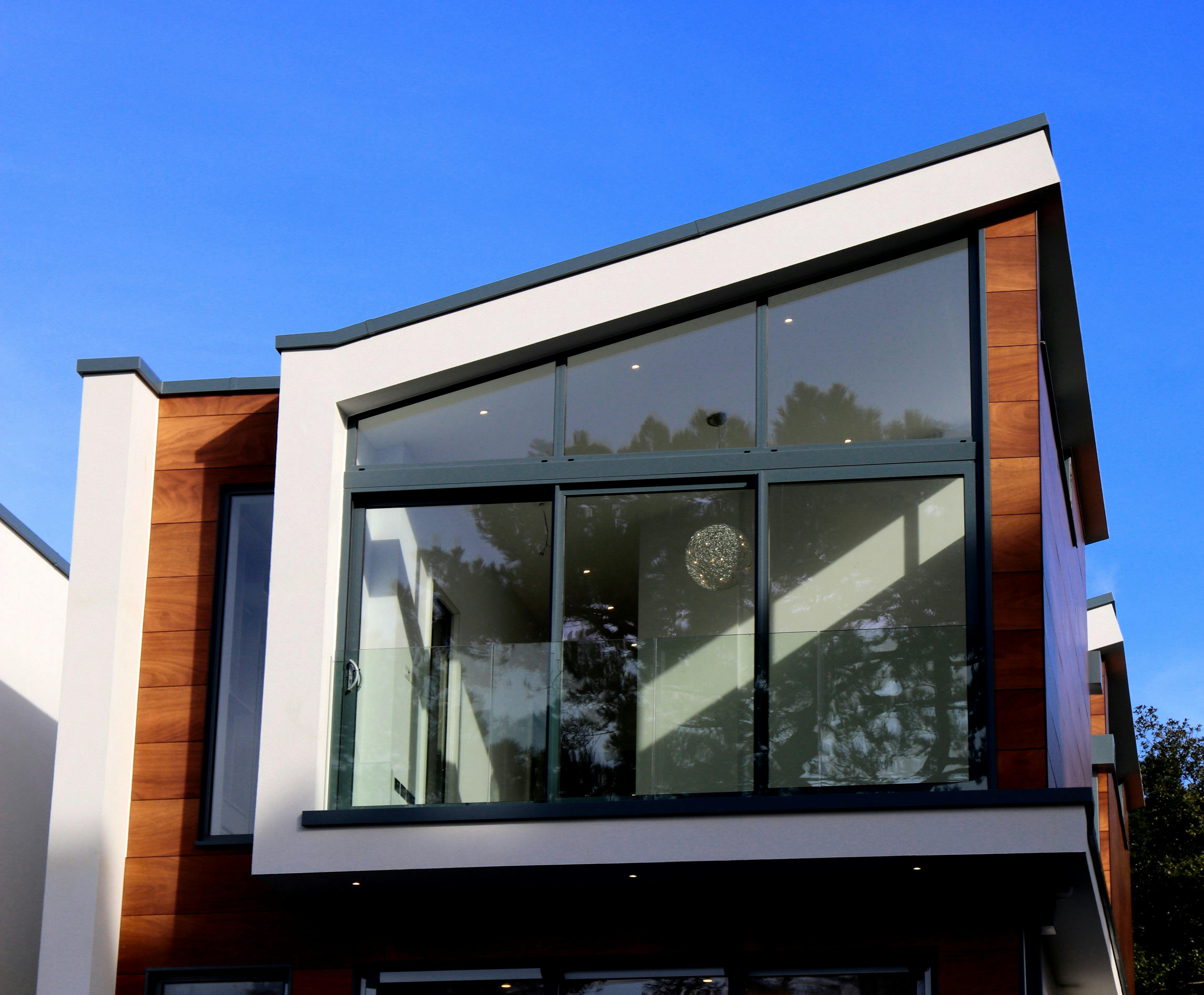
In an era where sustainability and energy conservation are at the forefront of global concerns, constructing energy-efficient homes is no longer a choice but a necessity. With climate change becoming an increasingly pressing issue, the way we build our homes can significantly impact the environment. Energy-efficient homes not only contribute to a healthier planet but also offer economic benefits for homeowners through reduced utility bills. This article explores the significance, strategies, and components of building energy-efficient homes, providing insights into how to create structures that are both eco-friendly and cost-effective.
Importance of Energy-Efficient Homes
Energy-efficient homes are designed to reduce energy consumption while maintaining or improving the comfort of the occupants. These homes play a crucial role in the fight against climate change by:
- Reducing greenhouse gas emissions
- Minimizing reliance on non-renewable resources
- Contributing to a sustainable future
Moreover, homeowners benefit from lower energy bills, which can lead to significant cost savings over time. The investment in energy efficiency can increase property value and offer a more comfortable living environment.
Key Elements of Energy-Efficient Homes
Insulation and Sealing
Proper insulation is fundamental to energy efficiency, as it helps maintain a consistent indoor temperature. Key strategies include:
- Using high-quality insulation materials in walls, roofs, and floors
- Sealing gaps and cracks to prevent air leakage
- Installing energy-efficient windows and doors
For more details on effective insulation techniques and materials, read more about this topic.
Efficient Heating and Cooling Systems
Heating and cooling systems are major energy consumers in a home. To enhance efficiency:
- Install energy-efficient HVAC systems
- Consider using programmable thermostats
- Explore alternative heating methods like solar heating
These systems help maintain a comfortable atmosphere while using less energy. Learn more in this detailed guide about optimizing heating and cooling systems.
Use of Sustainable Materials
Incorporating sustainable building materials is another critical aspect of energy-efficient homes. These materials include:
- Recycled or reclaimed wood and metal
- Low-VOC paints and finishes
- Energy-efficient lighting solutions like LED bulbs
Using such materials can lower environmental impact and improve indoor air quality. Explore further insights here on sustainable materials and their benefits.
Strategies for Building Energy-Efficient Homes
Implementing energy efficiency in home construction involves strategic planning and execution. Key strategies include:
- Designing homes with passive solar design principles
- Incorporating smart home technologies for energy management
- Utilizing renewable energy sources like solar panels
These strategies ensure that homes are not only energy-efficient but also resilient and future-proof. Find additional information here about comprehensive strategies for building energy-efficient homes.
Conclusion
Building energy-efficient homes is a forward-thinking approach that addresses both environmental and economic concerns. By prioritizing energy efficiency in home design and construction, individuals can contribute to a more sustainable future while enjoying the benefits of reduced energy costs and enhanced living comfort. As awareness and technology continue to advance, the shift towards energy-efficient housing is expected to grow, paving the way for a greener tomorrow.
