Dealing with a leaky basement can be a homeowner’s nightmare, leading to potential structural damage and health hazards like mold growth. Effective strategies for leaky basement repair are essential to maintaining the integrity and safety of the home environment. Understanding the causes of leaks and employing the right repair techniques can prevent further damage and ensure a dry, safe basement.
Identifying the Source of the Leak
Before implementing repair strategies, it is crucial to identify the source of the leak. Water can infiltrate basements through various entry points, including:
- Cracks in walls or floors
- Gaps around windows or doors
- Improperly sealed pipes or conduits
- Seepage due to hydrostatic pressure
Conducting a thorough inspection to locate these issues is the first step in the repair process.
Repair Strategies for a Leaky Basement
Interior Waterproofing Solutions
Interior waterproofing methods are often the most cost-effective and least disruptive options for addressing basement leaks. These solutions focus on stopping water from entering living spaces and include:
- Sealants and coatings: Applying waterproof sealants or coatings to walls and floors can help prevent moisture infiltration.
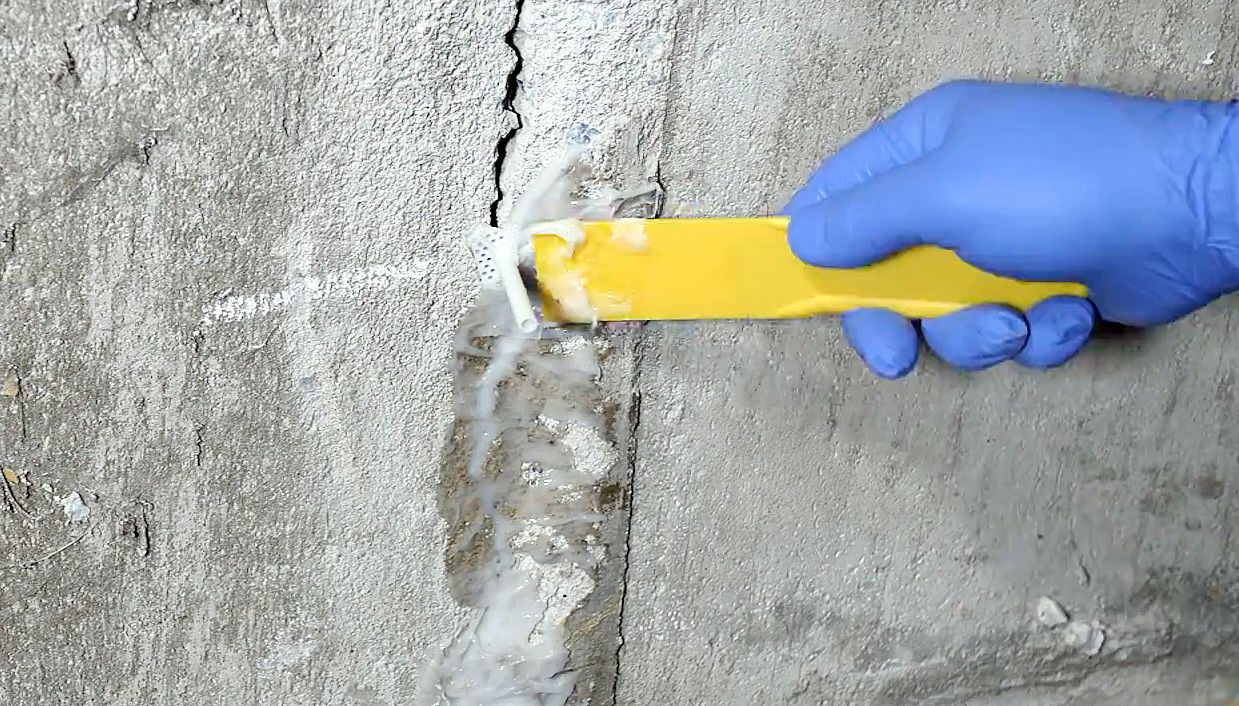
- Crack injections: Epoxy or polyurethane injections can fill and seal cracks in concrete walls, effectively blocking water entry.
- Drainage channels: Installing interior drainage systems, such as French drains, can redirect water away from the basement.
Exterior Waterproofing Techniques
While interior solutions address symptoms, exterior waterproofing tackles the root cause of water infiltration. These techniques may be more invasive but are essential for long-term prevention:
- Excavation and sealing: Excavating around the foundation and applying waterproof membranes or sealants can prevent water from reaching the basement walls.
- Improved grading: Ensuring the landscape slopes away from the foundation helps direct water away from the home.
- Installing gutters and downspouts: Properly functioning gutters and downspouts can effectively channel rainwater away from the foundation.
Maintaining a Dry and Healthy Basement
Once repairs are completed, ongoing maintenance is vital to ensure the basement remains dry and healthy. Consider the following practices:
- Regular inspections: Periodically check for new cracks or signs of moisture to address issues promptly.
- Humidity control: Use dehumidifiers to maintain optimal humidity levels and prevent mold growth.
- Gutter maintenance: Clean gutters regularly to avoid clogs that can lead to water pooling around the foundation.
Conclusion
Addressing a leaky basement requires a combination of accurate diagnosis and effective repair strategies. By understanding the causes of basement leaks and applying the appropriate solutions, homeowners can protect their property from water damage and maintain a safe, dry living environment. For further insights on leaky basement repair, exploring specialized resources can provide valuable guidance in selecting the best approach for each unique situation.
