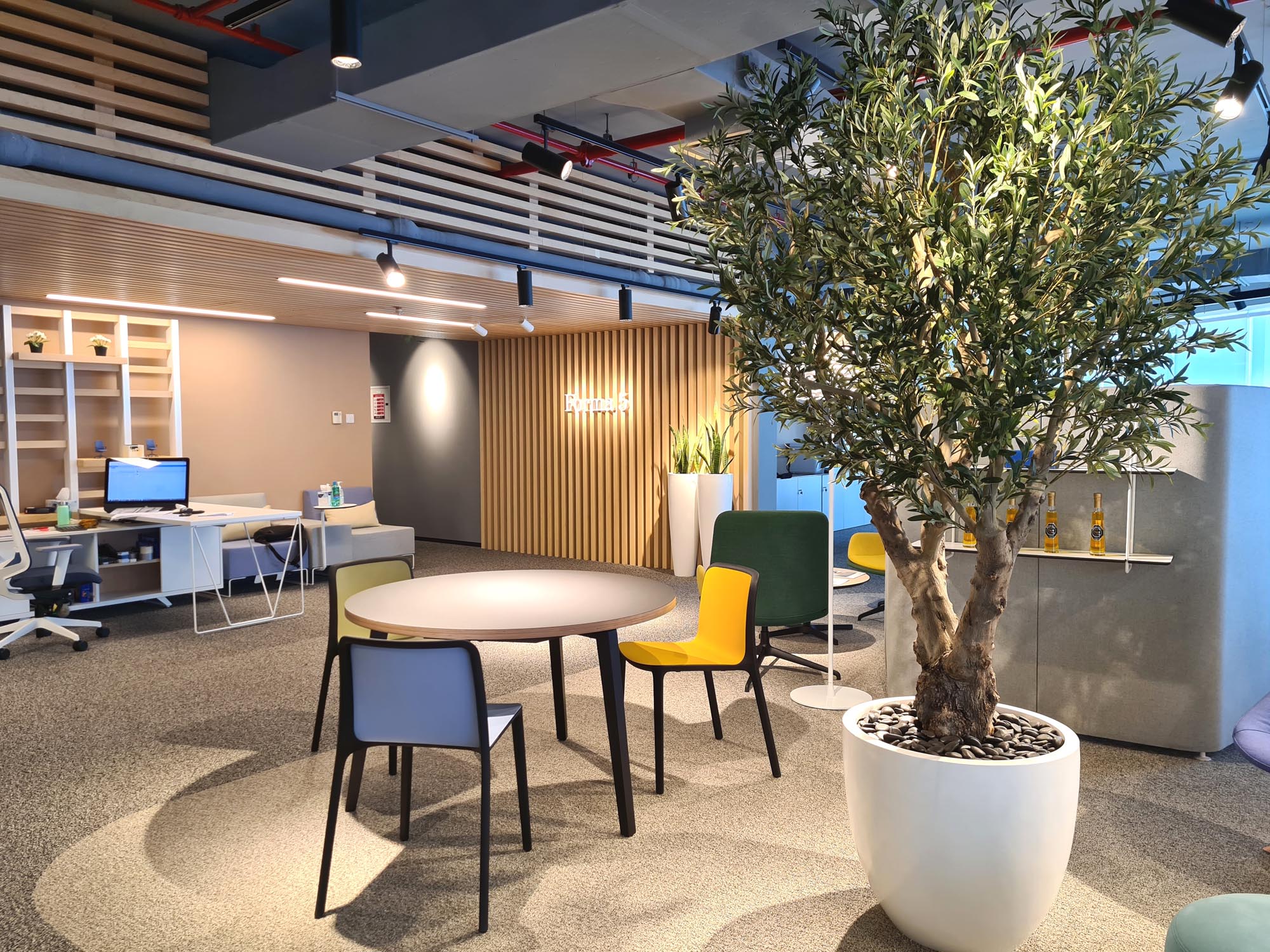
In the pursuit of creating a serene and refreshing environment within the confines of modern living spaces, indoor landscape design has emerged as an essential art form. This discipline not only enhances aesthetic appeal but also contributes to improved air quality and mental well-being. As urbanization continues to rise, the importance of bringing nature indoors has never been more pronounced. By integrating plants and natural elements into interiors, individuals can cultivate a tranquil oasis that serves as a retreat from the hustle and bustle of daily life.
Understanding the Essentials of Indoor Landscape Design
Creating a successful indoor landscape requires a thoughtful approach that balances style and functionality. Understanding the key elements involved can streamline the process and lead to stunning results.
1. Choosing the Right Plants
Selecting appropriate plants is the cornerstone of effective indoor landscape design. Considerations should include:
- Light Requirements: Assess the natural light available in the space and select plants accordingly. Low-light plants like ferns and snake plants thrive in dim spaces, while succulents and cacti prefer bright areas.
- Space and Scale: Evaluate the space available and choose plants that complement the scale of the room. Large plants can make a bold statement in expansive areas, while smaller plants are suited for more intimate settings.
- Maintenance Needs: Opt for plants that align with the desired level of maintenance. Some varieties, such as pothos and peace lilies, are relatively low-maintenance, while others may require more attention.
2. Designing for Aesthetic Appeal
The visual impact of an indoor landscape is a crucial consideration, and strategic design choices can enhance the beauty of the space.
- Color Coordination: Integrate plants with foliage that complements the existing color scheme of the room. Harmonious blending of colors can create a cohesive and pleasing environment.
- Texture and Form: Combine different textures and forms to add visual interest. Mix broad-leafed plants with finer-textured varieties to create depth and contrast.
- Containers and Accessories: Select containers that enhance the overall design theme. Decorative pots, hanging planters, and terrariums can serve as stylish accents.
Incorporating Functional Elements
An effective indoor landscape design not only focuses on aesthetics but also incorporates functional elements that enhance the usability of the space.
1. Improving Air Quality
Plants play a vital role in purifying indoor air by removing toxins and releasing oxygen. Incorporating air-purifying plants like spider plants, Boston ferns, and rubber plants can significantly improve the quality of the air.
2. Creating Privacy and Sound Barriers
Indoor plants can also serve as natural dividers, providing privacy and reducing noise levels. Strategically placed tall plants or vertical gardens can create secluded areas within open-plan spaces.
Integrating Technology and Modern Solutions
In today’s digital age, technology can be leveraged to enhance indoor landscape design, making it more efficient and sustainable.
1. Automated Irrigation Systems
Automated systems can ensure plants receive the precise amount of water they need, reducing the risk of overwatering or underwatering. This technology is especially useful for those with busy lifestyles who may not have time for regular plant care.
2. Smart Grow Lights
For spaces lacking natural light, smart grow lights can provide the necessary illumination for plant growth. These lights can be adjusted according to plant needs and are a great addition to modern indoor landscapes.
Conclusion
Creating a lush oasis within interiors is both an art and a science, requiring a keen understanding of plant properties, design principles, and functional integration. With careful planning and consideration of these essentials, any indoor space can be transformed into a refreshing sanctuary. For further inspiration and resources on indoor landscape design, explore the possibilities through expert insights and guidance from trusted sources.
