For business owners, selecting the right roofing system is a crucial decision that impacts not only the aesthetic appeal of their establishment but also its structural integrity and operational efficiency. The roofing system must withstand various environmental conditions, provide adequate insulation, and maintain energy efficiency. Understanding the different commercial roofing systems available can help business owners make informed decisions that align with their specific needs and budgets.
Types of Commercial Roofing Systems
The commercial roofing industry offers a plethora of options, each with its own unique benefits and considerations. Here”?s a look at some of the most prevalent types:
- Built-Up Roofing (BUR) Membrane: Often referred to as “tar and gravel” roofs, BUR is a traditional choice known for its multiple layers which provide excellent protection against the elements. It’s highly durable and cost-efficient.
- Metal Roofing: Known for longevity and robustness, metal roofing is a popular choice for its eco-friendliness and energy efficiency. It”?s available in various metals like aluminum, copper, and stainless steel.
- Modified Bitumen Roofing: This type of roofing involves asphalt-based coverings reinforced with fiberglass or polyester for enhanced strength. It”?s easy to maintain and offers high resistance to weather impact.
- Thermoset (EPDM) Roof Membrane: EPDM, a durable synthetic rubber roofing membrane, is renowned for its longevity, resistance to UV rays, and flexibility.
- Thermoplastic (PVC & TPO) Roof Membrane: Popular for being lightweight, and reflective, and providing resistance to chemicals and weathering. It’s ideal for restaurants or other businesses that emit oils or fats through their ventilation systems.
- Green Roofing: These roofs are covered with plants and vegetation, offering excellent insulation and reducing the urban heat island effect while promoting environmental sustainability.
Factors to Consider When Choosing a Roofing System
When selecting a commercial roofing system, consider these critical factors to ensure the best possible outcome:
Climate and Weather Conditions
The local climate plays a significant role in determining the appropriate roofing material. For example, metal roofing may be ideal in areas with heavy snowfalls due to its ability to shed snow effortlessly. Conversely, EPDM roofing is preferred in regions with a hot climate due to its excellent heat resistance. Find out more about this approach to choose the right roofing system based on climate.
Energy Efficiency
Energy-efficient roofing systems can significantly reduce heating and cooling costs. White or reflective roofs can keep buildings cooler in the summer, while adequately insulated roofs maintain warmth during winter. Discover expert strategies here on optimizing energy efficiency through roofing solutions.
Longevity and Durability
Different roofing materials come with varying lifespans. While metal and EPDM roofs can last several decades, options like modified bitumen might require more frequent maintenance. Assessing the durability and maintenance requirements of each option can help in making a long-term investment decision.
Installation and Maintenance Considerations
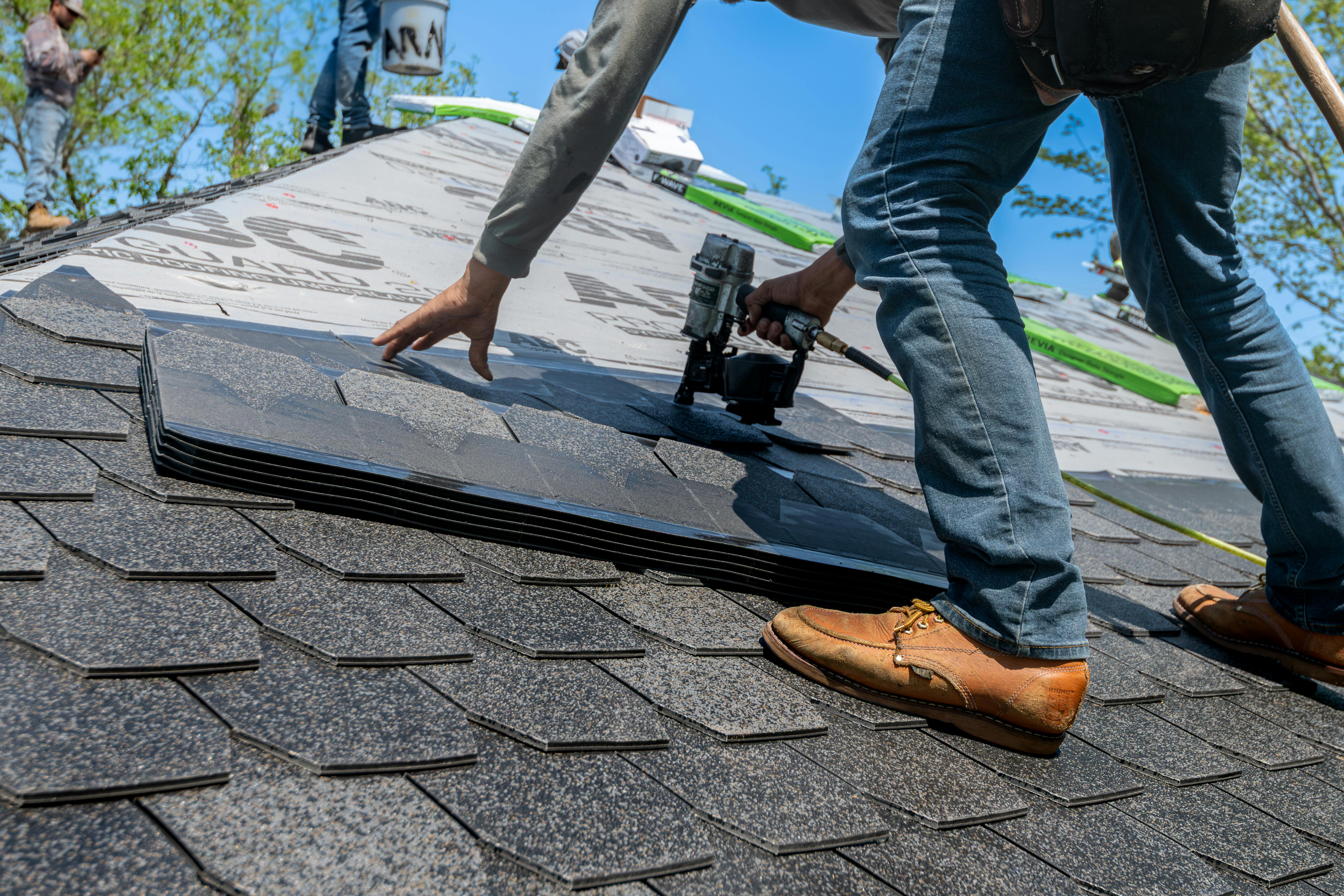
Proper installation is critical for the longevity and performance of any roofing system. Hiring experienced professionals ensures that the roof is installed according to industry standards, reducing the risk of premature failure. Routine maintenance and inspections are also vital to identify and address potential issues early. Learn about our tailored solutions for installation and maintenance to maximize the lifespan of your commercial roof.
In conclusion, selecting the right commercial roofing system involves careful consideration of various factors, including environmental conditions, energy efficiency, and durability. By understanding the options available and their respective benefits, business owners can make informed decisions that align with their specific operational needs and budget constraints. Explore advanced guides and tips to further enhance your knowledge of commercial roofing systems and make the best choice for your business.
