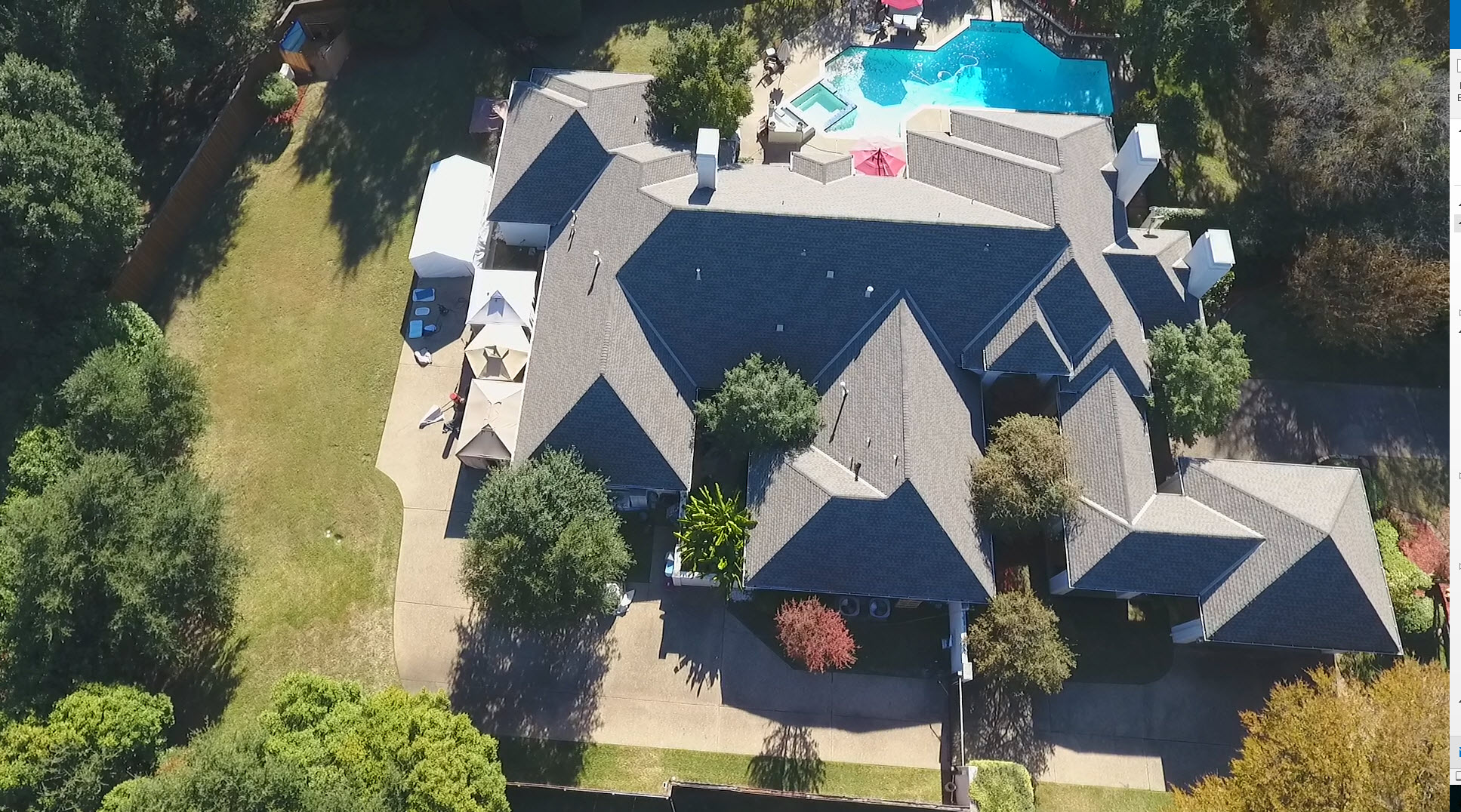
Choosing the right roofing system is a critical decision for any commercial property. Metal roofing has become the go-to solution for businesses that demand durability, energy efficiency, and a professional appearance. This article explores the key benefits of commercial metal roofing, the factors to consider when selecting a system, and best practices for installation and maintenance, helping decision-makers make an informed choice that protects their investment for decades.
Why Metal Roofing Is Ideal for Commercial Buildings
Metal roofing offers a combination of performance characteristics that are difficult to match with traditional roofing materials. The following points highlight why many businesses are turning to metal:
- Longevity: Modern metal panels can last 40-70 years with proper maintenance, far exceeding the lifespan of asphalt shingles or built-up roofing.
- Energy Efficiency: Reflective coatings reduce cooling costs by up to 30% in hot climates, while insulated metal panels improve thermal performance in colder regions.
- Weather Resistance: Metal roofs are engineered to withstand high winds, heavy rain, hail, and even seismic activity.
- Low Maintenance: Minimal upkeep is required; routine inspections and occasional cleaning keep the system performing at peak levels.
- Sustainability: Most metal roofing products contain recycled content and are fully recyclable at the end of their service life.
Key Considerations When Selecting a Metal Roofing System
Structural Compatibility
Before specifying a metal roof, assess the building’s structural capacity. Metal panels are lighter than many alternatives, but the attachment system and roof deck must be evaluated to ensure proper load distribution.
Material Options
Several metal alloys are available, each with distinct advantages:
- Steel: Offers high strength and can be coated with zinc (galvanized) or zinc/aluminum (Galvalume) for corrosion resistance.
- Aluminum: Ideal for coastal environments due to its natural resistance to salt corrosion.
- Copper: Provides a premium aesthetic and develops a protective patina over time.
- Zinc: Self-healing properties make it a low-maintenance choice for historic or high-visibility projects.
Coating and Finish
The performance of a metal roof is heavily influenced by its coating. Polymeric paints, PVDF (Kynar), and silicone-based finishes each offer varying degrees of UV protection, color retention, and reflectivity. Selecting a coating that aligns with local climate conditions can extend service life and improve energy savings.
Compliance and Certifications
Commercial projects often must meet specific building codes and fire ratings. Look for products that are UL-listed, ASTM-compliant, and have appropriate wind-load certifications (e.g., ASTM E1592). Detailed specifications are typically available on the manufacturer’s website or through a qualified roofing consultant.
Installation Best Practices
Proper installation is essential to unlock the full benefits of metal roofing. The following guidelines are widely recognized in the industry:
- Use a compatible underlayment, such as synthetic roofing felt, to provide additional moisture protection.
- Employ concealed fasteners where possible to reduce the risk of corrosion and improve aesthetics.
- Maintain proper ventilation to prevent condensation buildup under the metal deck.
- Seal all penetrations with compatible flashing and sealants to preserve the roof’s waterproof integrity.
- Conduct a final inspection that includes checking for proper panel alignment, secure fasteners, and correct sealant application.
For a deeper dive into installation techniques, anchor text provides a comprehensive guide that covers everything from deck preparation to final walk-through.
Maintenance and Longevity Strategies
While metal roofs require less upkeep than many alternatives, a proactive maintenance plan can prevent costly repairs and extend the system’s life:
- Regular Inspections: Schedule semi-annual visual checks, especially after severe weather events.
- Cleaning: Remove debris, leaves, and bird nests to avoid moisture retention and corrosion.
- Fastener Checks: Tighten any loose screws or clips and replace any that show signs of wear.
- Coating Renewal: In high-UV environments, consider re-coating panels every 15-20 years to maintain reflectivity.
Professional guidance on maintenance schedules can be found by Discover expert strategies here. This resource outlines routine tasks and recommended service intervals for commercial metal roofs.
Cost Considerations and Return on Investment
Although the upfront cost of metal roofing is higher than some traditional materials, the total cost of ownership often proves favorable:
- Reduced Energy Bills: Reflective coatings lower cooling expenses, delivering measurable savings within the first few years.
- Longer Lifespan: Fewer replacements mean lower long-term capital expenditures.
- Insurance Discounts: Many insurers offer reduced premiums for metal roofs due to their fire resistance and durability.
- Higher Property Value: A well-installed metal roof can increase a building’s market appeal and resale price.
To explore detailed financial models and case studies, Learn about our tailored solutions. This page presents real-world examples of ROI calculations for various commercial sectors.
Conclusion
Commercial metal roofing delivers a compelling blend of durability, energy efficiency, and aesthetic appeal that aligns with the demands of modern businesses. By carefully evaluating material options, ensuring proper installation, and committing to a sensible maintenance plan, property owners can secure a roofing system that protects assets, reduces operating costs, and enhances overall building performance. For additional insights and expert guidance, exploring the dedicated commercial roofing resource linked throughout this article will provide the information needed to make a confident, future-proof decision.
