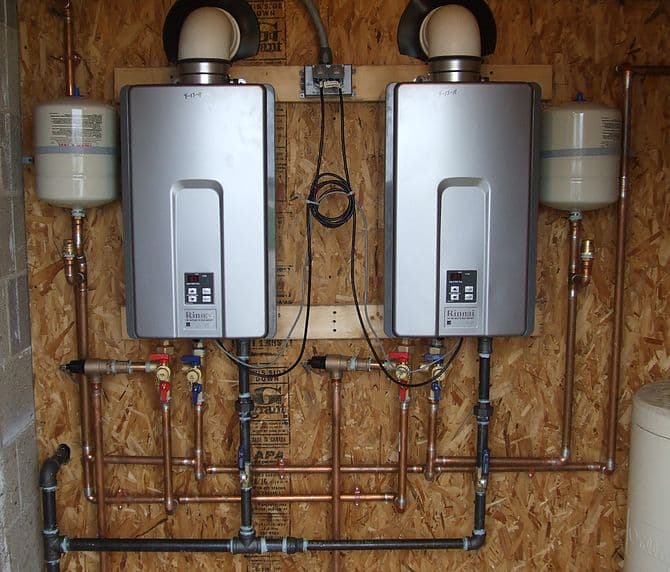
When selecting a tankless water heater for your home, several factors come into play to ensure that it meets your household needs efficiently. With advancements in technology, tankless water heaters have become increasingly popular due to their energy efficiency and space-saving design. However, choosing the right model requires careful consideration of several critical aspects, including fuel type, size, and installation requirements. Understanding these elements can help in making an informed decision that can lead to long-term satisfaction and savings.
Understanding Tankless Water Heaters
A tankless water heater, also known as an on-demand water heater, heats water only when needed, offering significant advantages over traditional systems with storage tanks. They are designed for efficiency, providing hot water instantly and eliminating the standby heat loss associated with conventional heaters.
Key Benefits
- Energy Efficiency: Tankless water heaters generally use less energy since they only heat water as it is required.
- Space Saving: Without a bulky tank, these units are compact and can be installed in various locations within the home.
- Longevity: They typically have a longer lifespan compared to traditional water heaters.
Selecting the Right Size
One crucial aspect to consider is the size of the tankless water heater. This is determined by the flow rate and the temperature rise required to meet the household’s needs.
- Flow Rate: Measured in gallons per minute (GPM), the flow rate indicates how much hot water the unit can provide.
- Temperature Rise: The temperature rise is the difference between the incoming water temperature and the desired output temperature.
To choose the appropriate size, calculate the total GPM needed during peak usage and ensure the heater can handle the required temperature rise.
Choosing the Right Fuel Type
Tankless water heaters can be powered by electricity, natural gas, or propane. The choice of fuel type can impact the efficiency and operating costs of the unit.
- Electric: These are typically easier to install and require less maintenance but may have higher operational costs in areas with expensive electricity rates.
- Gas: Natural gas or propane models often offer higher flow rates and are more efficient in terms of energy consumption, especially in colder climates.
It’s essential to consider the availability and cost of the fuel when selecting a tankless water heater model for your home.
Installation Considerations
Proper installation is crucial for the optimal performance of a tankless water heater. Here are some factors to consider:
- Professional Installation: It is recommended to hire a qualified professional to ensure the unit is installed according to the manufacturer”?s specifications.
- Ventilation: Gas models require proper ventilation to remove exhaust gases safely.
- Electrical Requirements: Ensure that your home”?s electrical system can support an electric tankless water heater if that is your chosen option.
Final Thoughts
Choosing the right tankless water heater involves assessing specific household needs, understanding the flow rate and temperature rise, selecting the appropriate fuel type, and ensuring proper installation. By considering these factors, homeowners can enjoy the benefits of an on-demand water heating system that delivers both energy efficiency and convenience. Exploring different models and consulting with professionals can aid in making a choice that aligns with both current and future needs.
