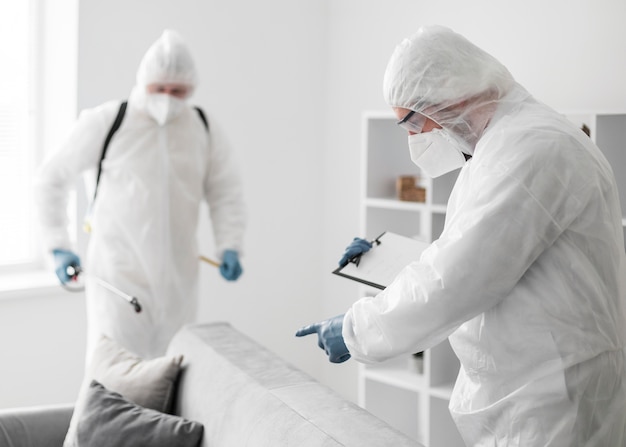
Black mold, scientifically known as Stachybotrys chartarum, is a common household menace that can have serious health implications. It thrives in damp, humid environments and can spread rapidly once it gains a foothold. This makes timely and effective remediation crucial. While many individuals aim to tackle mold issues on their own, trusting professionals can ensure that the problem is addressed comprehensively and safely. This article delves into the reasons why professional black mold remediation is the best choice and what to expect from the process.
Understanding the Risks of Black Mold
Black mold is not just an unsightly nuisance; it poses significant health risks. Prolonged exposure can lead to respiratory problems, allergic reactions, and in severe cases, neurological issues. Children, the elderly, and those with weakened immune systems are particularly vulnerable. Recognizing these risks is the first step in understanding why professional remediation is crucial. Discover expert strategies here.
Common Signs of Black Mold Infestation
- Musty odor, especially in damp areas like basements and bathrooms.
- Visible mold growth, often black or dark green in color.
- Water damage signs, such as discoloration on walls or ceilings.
- Frequent respiratory issues among occupants.
Why Professional Mold Remediation?
Addressing black mold requires more than just a surface cleanup; it involves identifying the root cause and ensuring complete eradication. Professionals bring a wealth of expertise and specialized equipment to the process, ensuring a thorough job. Here are some key reasons to opt for professional services:
- Comprehensive Inspection: Experts conduct a detailed assessment to identify the extent of mold growth and the underlying causes.
- Advanced Techniques and Equipment: Use of industry-grade tools and methodologies ensures effective mold removal and prevention of recurrence.
- Health and Safety Protocols: Professionals adhere to strict safety standards to protect both the occupants and themselves during the remediation process.
- Long-term Solutions: Beyond immediate removal, professionals provide guidance on preventing future infestations. Explore advanced guides and tips.
The Mold Remediation Process
Understanding the professional remediation process can provide peace of mind and set expectations for homeowners. The typical process involves several crucial steps:
Step 1: Inspection and Assessment
Experts begin with a thorough inspection to determine the mold type and the extent of the infestation. This step is vital to devising an effective plan of action. Learn about our tailored solutions.
Step 2: Containment
To prevent mold spores from spreading, containment strategies are employed. This may involve sealing off affected areas and using negative air pressure.
Step 3: Air Filtration
High-efficiency air filters are used to capture mold spores from the air, improving indoor air quality and reducing health risks.
Step 4: Mold Removal
This step involves removing mold-infested materials and thoroughly cleaning affected areas. Professionals use specialized cleaning agents that are both effective and safe.
Step 5: Restoration
Once mold removal is complete, the restoration process begins. This may include repairing damaged structures and repainting walls. Find out more about this approach.
Conclusion
Black mold poses significant challenges and health risks that should not be underestimated. Professional mold remediation offers a thorough, safe, and effective solution, ensuring peace of mind and a healthier living environment. By understanding the risks, recognizing the signs, and opting for expert intervention, homeowners can protect themselves and their loved ones from the adverse effects of black mold. Trusting professionals with the task not only ensures effective remediation but also prevents future occurrences, safeguarding the home and its occupants for the long term.
