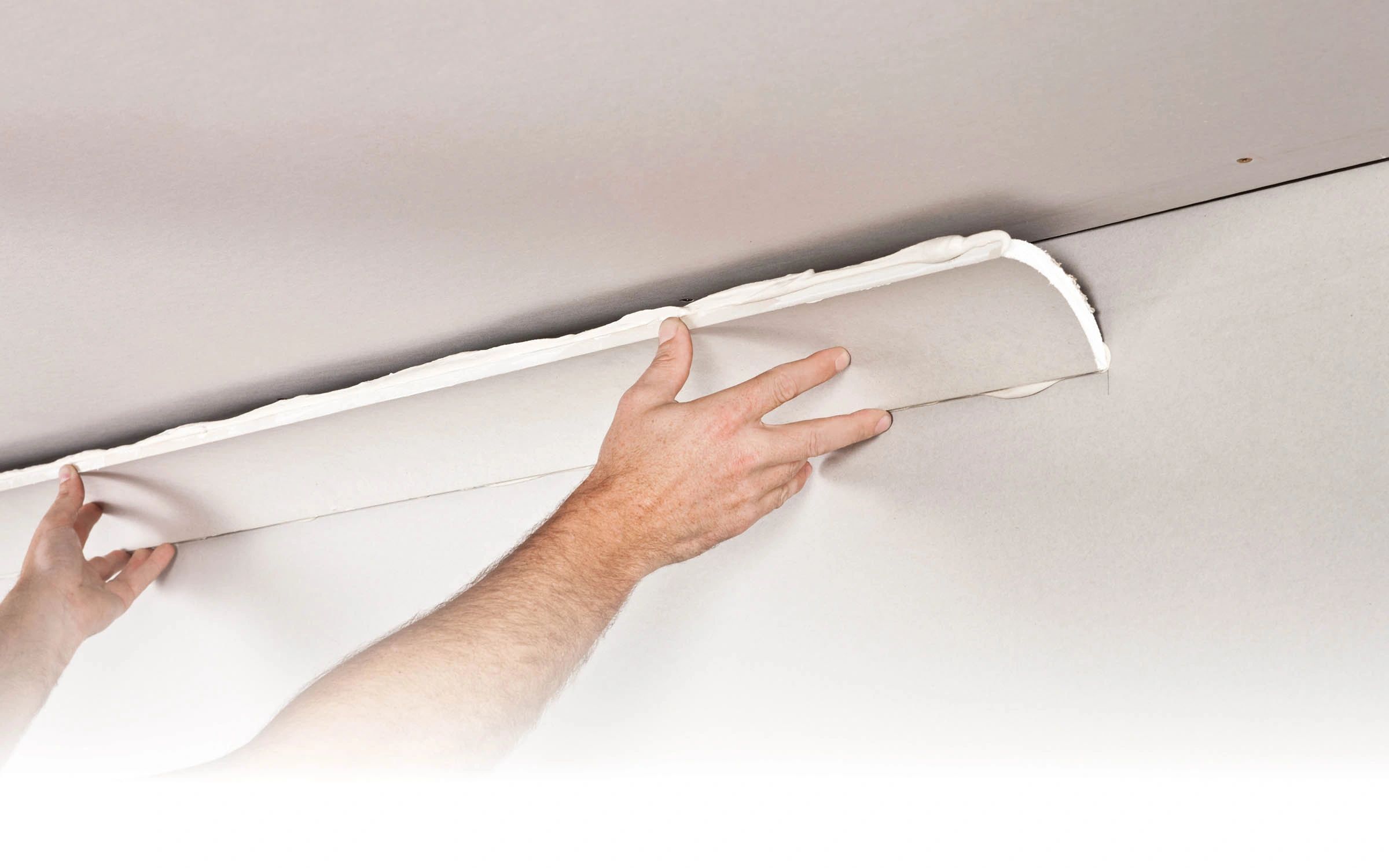
Plasterboard, also known as drywall, is an essential component of modern construction, providing a smooth and durable surface for walls and ceilings. Over time, however, it can become damaged due to various factors such as accidental impacts, moisture, or natural settling of buildings. Fortunately, repairing plasterboard can be an effortless task with the right knowledge and techniques. This article explores a range of solutions tailored to different plasterboard repair needs, ensuring seamless restoration and longevity.
Identifying Common Plasterboard Issues
Before embarking on any repair work, it’s crucial to identify the nature and extent of the damage. Common issues include:
- Dents and Dings: Often caused by accidental bumps, these are minor surface imperfections.
- Holes: Ranging from small nail holes to larger punctures, these require varying levels of intervention.
- Cracks: Typically due to structural movement, these can be superficial or indicative of a deeper problem.
- Water Damage: Stains and softening of the plasterboard, often needing comprehensive repair strategies.
Effective Repair Techniques
Each type of damage demands a unique approach. Here are some expert strategies to consider:
Small Dents and Dings
These are typically repaired with ease using the following steps:
- Clean the area to remove any dust or debris.
- Apply a thin layer of joint compound over the dent.
- Smooth the compound with a putty knife, allowing it to dry completely.
- Sand the area lightly to achieve a flush surface.
Discover expert strategies here for achieving a perfect finish.
Repairing Holes
Holes in plasterboard can vary significantly in size, requiring different repair methods:
Small Holes
- Fill with spackle or a joint compound, ensuring it covers the edges of the hole.
- Smooth with a putty knife and let it dry.
- Sand and apply paint to match the surrounding area.
Larger Holes
- Cut a piece of plasterboard slightly larger than the hole.
- Fasten it in place with plasterboard screws, ensuring stability.
- Apply joint tape over the seams, followed by joint compound.
- Sand and paint once dry for a seamless look.
Learn about our tailored solutions to handle larger repairs efficiently.
Addressing Cracks
Cracks can emerge from structural shifts or poor installation. To repair them:
- Widen the crack slightly to allow for better compound adherence.
- Fill with a flexible joint compound, allowing for movement.
- Reinforce with joint tape to prevent future cracking.
- Sand and finish with paint.
For more in-depth techniques, explore advanced guides and tips.
Remedying Water Damage
Water damage requires prompt attention to prevent mold growth and structural issues:
- Identify and rectify the source of moisture.
- Remove affected plasterboard sections, ensuring all damaged material is replaced.
- Install new plasterboard and seal with water-resistant paint.
Find out more about this approach to protect against future water damage.
Conclusion
Effortless plasterboard repair is achievable with the right knowledge and materials. By understanding the specific repair needs and applying the most suitable techniques, one can maintain the aesthetic and functional integrity of plasterboard installations. Whether dealing with minor imperfections or extensive damage, expert guidance ensures professional results every time. For those looking to elevate their repair skills, exploring specialized resources can provide valuable insights and enhance overall effectiveness.
