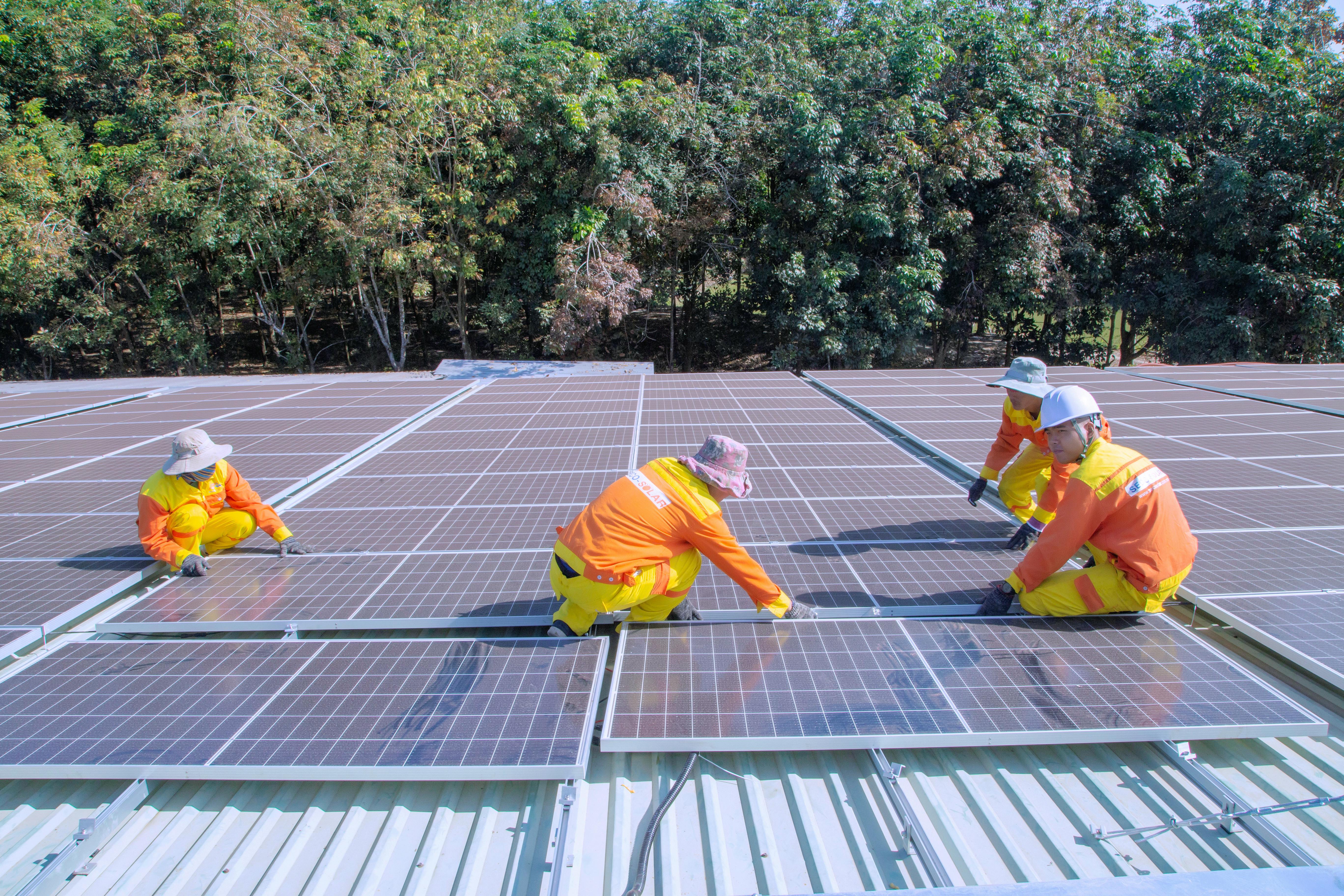
Solar panels are an increasingly vital component of sustainable energy strategies, yet their efficiency can be compromised by avian activity. Birds are attracted to the warm surfaces of panels, nesting materials, and the shelter that arrays provide. When birds perch, nest, or roost on solar installations, they can cause shading, debris accumulation, and even physical damage to the panels and mounting structures. Implementing effective bird guard systems not only protects the hardware but also maintains optimal energy output, reduces maintenance costs, and extends the lifespan of the investment. The following guide outlines the most reliable methods for safeguarding solar panels from bird interference while respecting wildlife considerations.
Understanding Bird Behavior Around Solar Installations
Why Birds Are Drawn to Solar Panels
- Heat retention – panels become warm after absorbing sunlight, offering a comfortable perch.
- Protection from predators – the elevated position provides safety.
- Availability of nesting sites – gaps and ledges create ideal nesting opportunities.
Potential Impacts on System Performance
- Shading reduces photovoltaic output by up to 30% in heavily used areas.
- Droppings and nesting material increase soiling, requiring more frequent cleaning.
- Physical damage from nesting can lead to cracked cells or compromised wiring.
Key Components of an Effective Bird Guard System
- Physical Barriers: Mesh, netting, or spikes that prevent perching and nesting.
- Deterrent Devices: Visual (reflective tape, predator silhouettes) and auditory (ultrasonic emitters) solutions.
- Maintenance Protocols: Regular inspections and cleaning to ensure barriers remain intact.
Designing a Tailored Bird-Proofing Strategy
Each solar installation presents unique challenges based on location, panel layout, and surrounding wildlife. A comprehensive approach begins with a site assessment that identifies high-risk zones and selects appropriate deterrents. For residential rooftops, lightweight mesh that blends with the roof’s aesthetic may be preferred, while large commercial arrays often benefit from robust netting systems anchored to the racking structure.
For detailed case studies and step-by-step recommendations, Discover expert strategies here.
Choosing the Right Materials
- Stainless-steel Mesh: Durable, corrosion-resistant, and effective against all bird sizes.
- Polypropylene Netting: Lightweight, UV-stabilized, and easy to install on steep roofs.
- Bird Spikes: Ideal for edges and mounting rails where birds tend to perch.
Integrating Visual and Auditory Deterrents
- Reflective ribbons create moving light patterns that discourage landing.
- Predator silhouettes (e.g., hawk models) can be rotated periodically to prevent habituation.
- Ultrasonic devices emit frequencies uncomfortable to birds but inaudible to humans.
Installation Best Practices
- Conduct a thorough inspection to map out existing bird activity.
- Select barrier type based on panel tilt, spacing, and wind load requirements.
- Secure mesh or netting with corrosion-resistant fasteners, ensuring no gaps remain.
- Apply spikes or deterrent strips to all potential perching points.
- Test visual deterrents for visibility from multiple angles.
- Document the installation for future maintenance reference.
Professional guidance can streamline this process, especially for complex commercial sites. To explore advanced guides and tips, visit Explore advanced guides and tips.
Maintenance and Monitoring
Even the most robust bird guard system requires periodic checks to remain effective. Maintenance schedules should align with routine solar panel cleaning cycles.
- Quarterly Inspections: Verify that mesh tension is intact and that no new gaps have formed.
- Seasonal Adjustments: Replace worn spikes before breeding seasons to preempt nesting.
- Cleaning Protocols: Use non-abrasive tools to remove droppings without damaging the barrier.
For ongoing support and updates on the latest bird-proofing technologies, Find out more about this approach.
Balancing Wildlife Protection with System Integrity
Effective bird guard systems should comply with local wildlife regulations, ensuring that deterrents do not cause undue harm. Non-lethal methods such as netting and spikes are generally acceptable, while lethal traps are prohibited in most jurisdictions. Engaging with wildlife agencies during the planning stage can help avoid legal complications and promote environmentally responsible practices.
Conclusion
Investing in a well-designed bird guard system is essential for preserving the performance and durability of solar panels. By understanding avian behavior, selecting appropriate materials, and adhering to rigorous installation and maintenance protocols, facility managers can safeguard their assets while respecting local ecosystems. The result is a cleaner, more reliable energy source that delivers long-term value without the hidden costs of bird-related damage.
