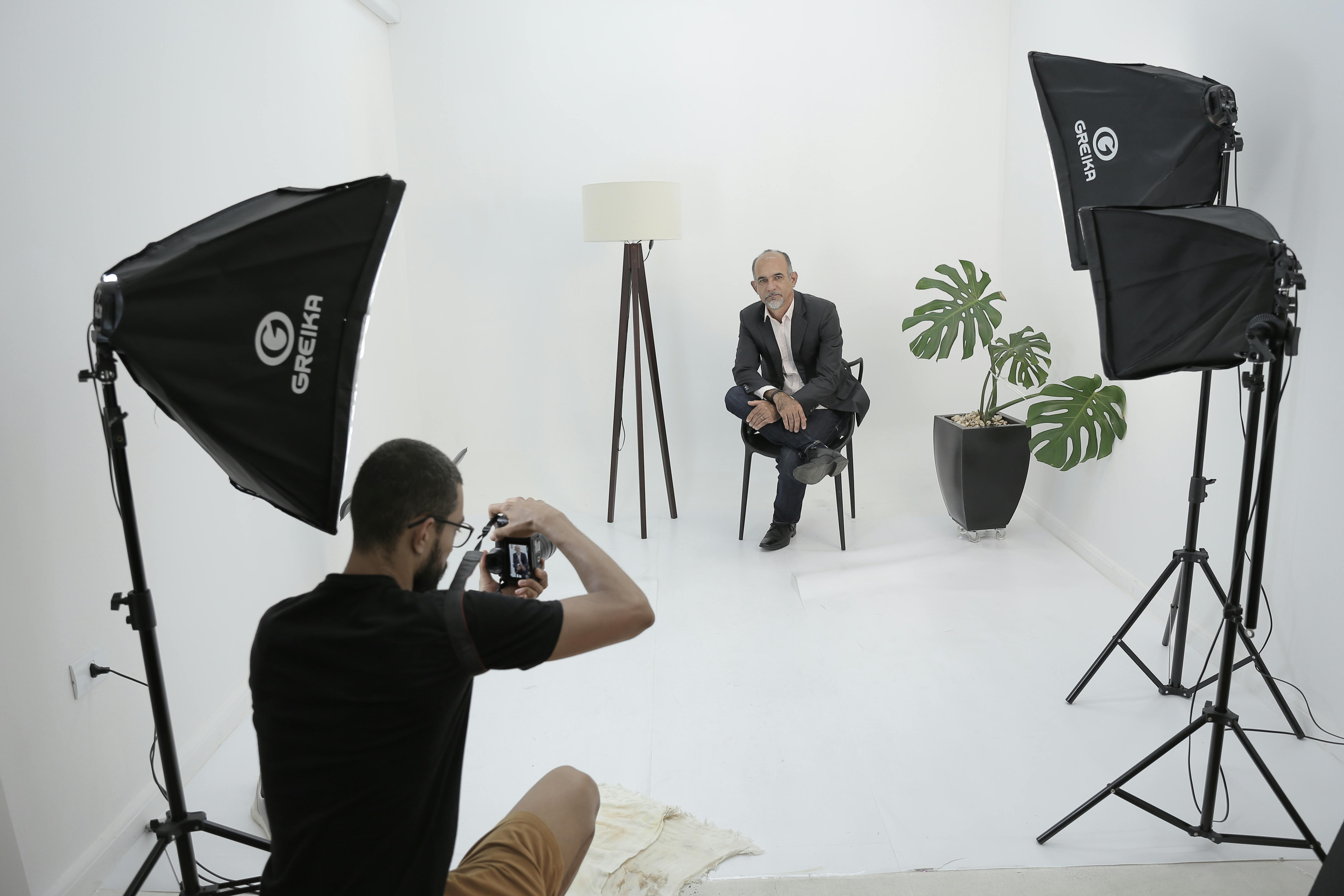
In today’s fast-paced corporate environment, a polished business portrait can be a decisive factor in establishing credibility, reinforcing personal branding, and opening doors to new opportunities. Executives often juggle meetings, travel, and strategic planning, leaving little time to coordinate a photoshoot. This checklist streamlines the preparation process, ensuring that every portrait session runs smoothly, delivers high-impact results, and aligns with the visual standards expected at the senior level.
Pre-Shoot Planning
Define the Purpose and Audience
- Identify the primary use: LinkedIn profile, corporate website, speaking engagements, or press releases.
- Consider the audience’s expectations, investors may prefer a formal look, while a tech-focused audience might appreciate a more relaxed vibe.
- Align the visual tone with the company’s brand guidelines; subtle color cues can reinforce corporate identity.
Schedule Wisely
- Allocate 60-90 minutes for the session, including setup, wardrobe changes, and brief breaks.
- Book the shoot during a low-stress period of the day, mid-morning often yields natural, refreshed expressions.
- Confirm the location and any required permits at least one week in advance.
Research the Photographer
- Review portfolios to ensure a style that matches the desired outcome.
- Read client testimonials for reliability and professionalism.
- For a curated approach to executive imagery, Discover expert strategies here and see how seasoned photographers handle high-profile clients.
Wardrobe & Grooming
Clothing Selection
- Choose solid, neutral colors, navy, charcoal, or deep green, avoiding busy patterns that distract from the face.
- Opt for well-fitted attire; a tailored blazer or suit conveys authority.
- Bring at least two outfit options to allow flexibility based on lighting and background.
Grooming Essentials
- Schedule a haircut or trim 2-3 days before the shoot for a natural look.
- For men, consider a clean shave or well-maintained facial hair; for women, subtle makeup enhances features without appearing overdone.
- Hydrate skin the day before and get adequate sleep to reduce under-eye shadows.
Location & Background
Studio vs. On-Location
- Studios offer controlled lighting and interchangeable backdrops, ideal for a classic corporate portrait.
- On-location shots, such as an office lobby or conference room, add contextual relevance and can reinforce brand storytelling.
- When selecting an office setting, ensure the space is clutter-free and that branding elements are subtle.
Background Considerations
- Neutral gray or white backdrops keep focus on the subject.
- If using an environmental background, maintain depth of field to blur distractions while preserving key details.
- Check for reflective surfaces that could cause unwanted glare.
Technical Preparation
Lighting Strategy
- Prefer soft, diffused lighting to minimize harsh shadows; a large softbox or window light works well.
- Consider a three-point lighting setup (key, fill, and rim) for dimensionality.
- For natural light, schedule the shoot near a large window during overcast conditions.
Equipment Checklist
- Camera body with full-frame sensor for superior depth of field control.
- Prime lenses (85mm or 105mm) that provide flattering perspective.
- Tripod, remote trigger, and extra batteries to avoid interruptions.
- Reflectors or bounce boards to fill shadows.
File Management
- Set up a dedicated folder structure:
ClientName/Date/RAWandEdited. - Back up images on an external drive immediately after the session.
- Maintain a naming convention that includes the executive’s name and portrait type for easy retrieval.
During the Shoot
Pose Guidance
- Start with relaxed, natural poses, hands in lap, shoulders slightly turned.
- Encourage subtle movements to capture authentic expressions.
- Use a mirror or monitor to provide instant feedback and build confidence.
Expression Tips
- Practice a gentle smile; a slight upward curve conveys approachability without sacrificing professionalism.
- Maintain eye contact with the lens to establish connection with viewers.
- Take short “break” shots to keep the mood light and capture candid moments.
Time Management
- Allocate 10 minutes per outfit change, including quick adjustments.
- Review images after each set to ensure exposure and focus are optimal.
- Keep a concise shot list to stay on track and avoid overruns.
Post-Production Workflow
Selection & Editing
- Choose 5-7 strongest images that meet the defined purpose.
- Apply subtle retouching: skin smoothing, minor blemish removal, and color correction.
- Maintain natural texture; over-editing can undermine authenticity.
Brand Consistency
- Incorporate brand colors into background tones or wardrobe accents where appropriate.
- Use the same aspect ratio and cropping style across all executive portraits for visual harmony.
- For deeper insight into maintaining brand alignment, Explore advanced guides and tips.
Delivery Formats
- Provide high-resolution JPEGs for print and a web-optimized PNG or JPEG for digital use.
- Include a transparent PNG version for overlay on marketing materials.
- Supply a style guide PDF outlining recommended usage, sizing, and placement.
Final Checklist Summary
- Purpose defined and audience identified.
- Photographer vetted and session booked.
- Wardrobe, grooming, and backup outfits prepared.
- Location confirmed; background and lighting plan established.
- Equipment checklist completed and backups in place.
- Shot list and pose references ready.
- Post-production workflow outlined, including editing standards and delivery formats.
By following this comprehensive checklist, busy executives can maximize the efficiency of their portrait sessions while ensuring the final images convey confidence, competence, and brand alignment. For additional resources on crafting compelling executive imagery, Find out more about this approach and integrate these best practices into your next professional portrait.
