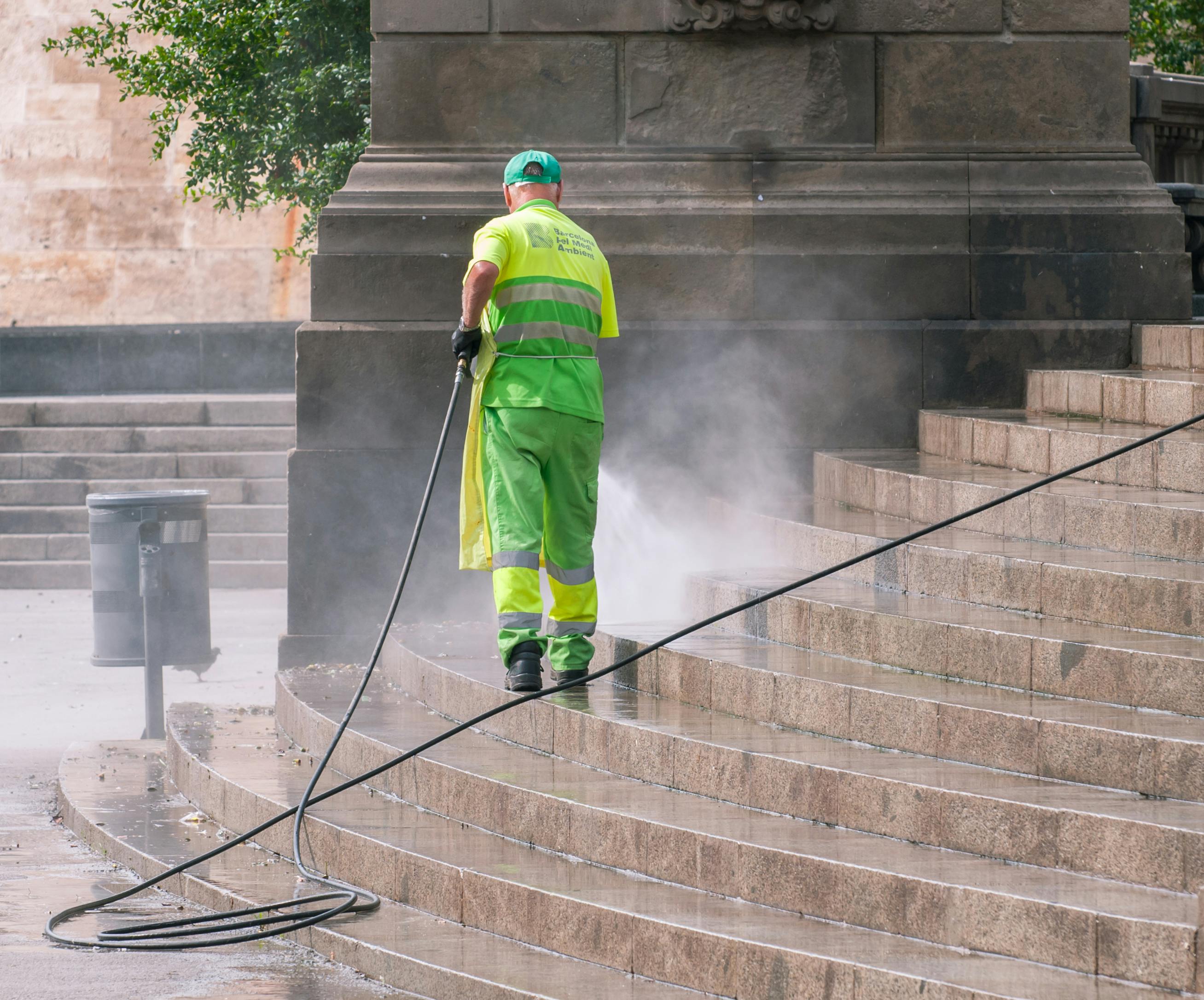
Mold can silently undermine the comfort and safety of any residence. Even when it appears only as a faint discoloration on walls or ceilings, the hidden colonies release spores that affect indoor air quality, damage structural components, and trigger health concerns. Addressing mold promptly requires a clear understanding of its causes, effective removal techniques, and long-term prevention strategies. This guide outlines the essential steps for a thorough mould removal process, highlights the benefits of professional intervention, and provides actionable tips to keep your home clean and healthy.
Understanding Mold Growth
Mold thrives in environments where moisture, organic material, and a suitable temperature converge. Common sources of indoor moisture include leaks, condensation, and inadequate ventilation. Recognizing the conditions that foster mold helps target the problem at its root.
Typical Areas Affected
- Bathrooms and shower enclosures
- Basements and crawl spaces
- Kitchen backsplashes and around appliances
- Window frames and door seals
- HVAC ducts and filters
Health Risks Associated with Mold
Exposure to mold spores can provoke a range of health reactions, particularly for individuals with allergies, asthma, or weakened immune systems. Symptoms often include:
- Persistent coughing and wheezing
- Skin irritation and rashes
- Sinus congestion and headaches
- Fatigue and difficulty concentrating
When mold infestations remain unchecked, the concentration of airborne spores can increase, elevating the risk of chronic respiratory issues. For comprehensive information on health implications, Discover expert strategies here.
Key Steps in Effective Mold Removal
A systematic approach ensures that mold is eliminated safely and that re-growth is minimized. The following steps represent best practices for homeowners and property managers.
1. Assessment and Containment
- Identify visible mold and assess hidden areas using moisture meters.
- Seal off the affected zone with plastic sheeting to prevent spore spread.
- Wear appropriate personal protective equipment (PPE) such as N-95 respirators, gloves, and goggles.
2. Removal of Contaminated Materials
- Discard porous items (drywall, insulation, carpet) that cannot be fully cleaned.
- Clean non-porous surfaces with a detergent solution, followed by a biocide or EPA-registered mold remover.
- Rinse and dry all cleaned surfaces thoroughly.
3. Drying and Dehumidification
- Use high-capacity dehumidifiers to reduce relative humidity below 60%.
- Employ industrial fans to promote air circulation and accelerate drying.
- Monitor moisture levels until they stabilize at safe thresholds.
4. Verification and Documentation
- Conduct post-remediation testing to confirm spore counts are within acceptable limits.
- Document the process with photos, moisture readings, and disposal records for future reference.
For a deeper dive into step-by-step remediation, Explore advanced guides and tips.
Professional Mold Removal Services
While DIY methods can address minor outbreaks, larger or hidden infestations often demand specialized expertise. Professional teams bring advanced equipment, certified technicians, and industry-standard protocols that ensure thorough eradication.
- Use of negative air pressure machines to contain spores during removal.
- Application of HEPA-filtered vacuums for safe debris extraction.
- Access to antimicrobial treatments that inhibit future growth.
- Compliance with local health and safety regulations.
Engaging a qualified service provider also provides peace of mind through documented warranties and post-service monitoring. To learn about tailored remediation options, Learn about our tailored solutions.
Preventative Measures for Long-Term Cleanliness
Preventing mold re-occurrence is as crucial as the removal itself. Ongoing maintenance and environmental control create an inhospitable setting for mold spores.
- Maintain indoor humidity between 30% and 50% using dehumidifiers in damp areas.
- Repair roof leaks, plumbing drips, and foundation cracks promptly.
- Ensure proper ventilation in kitchens, bathrooms, and laundry rooms.
- Regularly clean and replace HVAC filters.
- Conduct periodic inspections of basements, attics, and crawl spaces.
Adopting these habits reduces the likelihood of hidden moisture pockets, the primary catalyst for mold growth. For a concise checklist of preventative actions, Find out more about this approach.
Conclusion
Effective mould removal combines accurate diagnosis, meticulous cleaning, thorough drying, and vigilant prevention. While homeowners can manage minor incidents, complex cases benefit from the precision and assurance provided by experienced professionals. By integrating the outlined strategies and maintaining a proactive stance on moisture control, a cleaner, healthier home environment becomes a sustainable reality.
