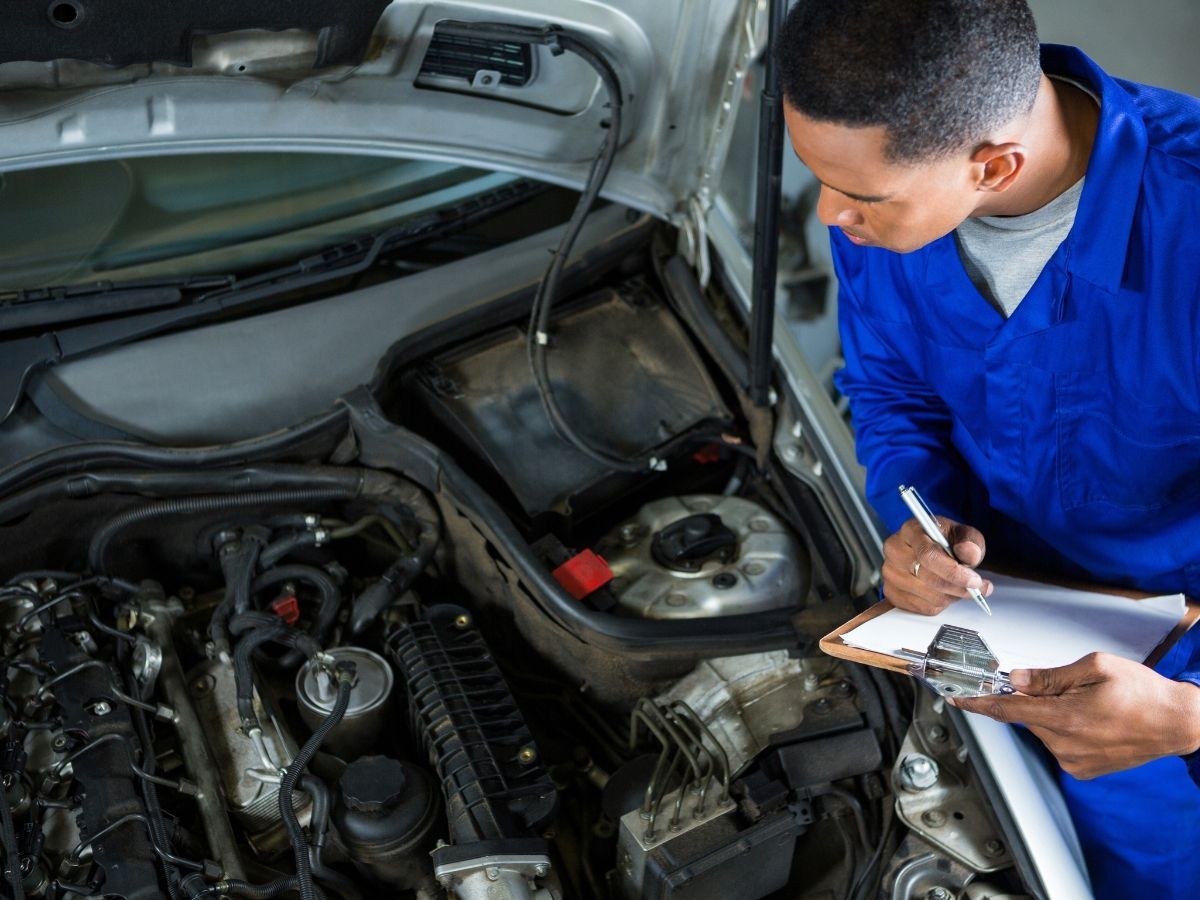
Diesel engines are renowned for their durability and efficiency, making them a popular choice for vehicles in Denver’s rugged terrain. However, even these robust engines are not immune to issues such as head gasket failure. Replacing a diesel head gasket is a complex task that requires expertise and precision. Understanding the process and knowing the right tips can save time and enhance engine performance. This article provides valuable insights into effective diesel head gasket replacement practices in Denver.
Understanding the Importance of a Diesel Head Gasket
The head gasket is a crucial component of diesel engines, sealing the combustion chambers and preventing the mixing of coolant and oil. A blown head gasket can lead to severe engine damage, overheating, and reduced performance. Recognizing the importance of timely diesel head gasket replacement in Denver is essential for maintaining engine health.
Signs of a Faulty Head Gasket
Identifying a failing head gasket early can prevent costly repairs. Look out for these common warning signs:
- White smoke from the exhaust
- Overheating engine
- Milky oil or coolant contamination
- Loss of engine power
- Unexplained coolant loss
Top Tips for Diesel Head Gasket Replacement
1. Assess the Damage Accurately
Before proceeding with a replacement, it”?s crucial to assess the extent of the damage accurately. This involves:
- Performing a compression test to identify cylinder leaks
- Inspecting the engine block and cylinder head for cracks
- Checking for warped surfaces using a straightedge
2. Choose Quality Replacement Parts
Using high-quality parts is vital for a successful replacement. Opt for gaskets that match the OEM specifications to ensure compatibility and durability. High-quality parts help in preventing future failures and prolong the engine’s life.
3. Follow the Correct Torque Specifications
Adhering to the correct torque specifications is essential to ensure a proper seal. Over-tightening can lead to warping or cracking, while under-tightening might cause leaks. Always refer to the manufacturer”?s guidelines for the specific torque settings.
4. Replace Additional Components if Necessary
While replacing the head gasket, inspect and replace other critical components if needed, such as:
- Head bolts
- Thermostat
- Water pump
- Timing belt or chain
Replacing these parts can prevent future issues and enhance the overall performance of the engine.
5. Perform a Thorough Engine Coolant Flush
After the head gasket replacement, perform a complete coolant flush to eliminate any contaminants that may have entered the system. This step ensures that the engine remains clean and operates efficiently.
Why Professional Expertise is Essential
Given the complexity of diesel head gasket replacement, relying on professional expertise is advisable. Skilled technicians have the necessary tools and experience to perform the replacement accurately, ensuring the longevity and reliability of the engine. For those in Denver, accessing diesel head gasket replacement services can provide peace of mind and superior results.
Conclusion
Replacing a diesel head gasket requires a methodical approach and attention to detail. By understanding the signs of failure, using quality parts, and following best practices, vehicle owners in Denver can ensure their diesel engines remain in top condition. Professional assistance further enhances the process, providing reliable and efficient solutions for maintaining engine health.
