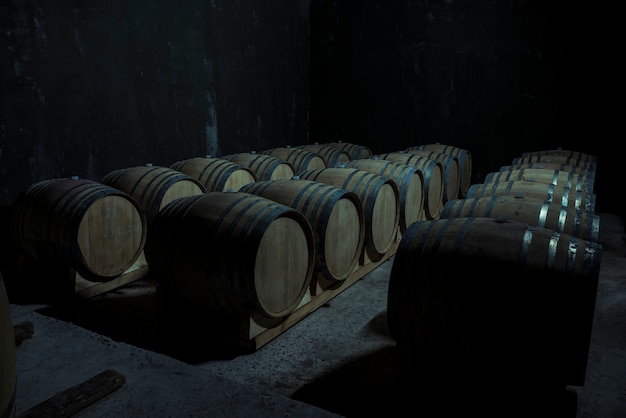
In recent years, whiskey cask investment has emerged as a lucrative option for those looking to diversify their portfolios. As whiskey matures, its value often appreciates, making it an attractive alternative asset. However, like any investment, it requires careful consideration and strategic planning. This article delves into the crucial tips to ensure success in whiskey cask investment and highlights the factors investors should consider for long-term gains.
Understanding the Basics of Whiskey Cask Investment
Before diving into the world of whiskey cask investment, it is essential to comprehend its fundamentals. Here are the key aspects to consider:
- Whiskey Maturation: Whiskey gains complexity and value as it ages, making the maturation period a critical factor in investment decisions.
- Types of Whiskey: Different types of whiskey, such as Scotch, Irish, and Bourbon, come with varying investment potentials and maturation timelines.
- Storage Conditions: Proper storage in bonded warehouses ensures the quality of the whiskey over time.
Conducting Thorough Research
Research is paramount when deciding to invest in whisky casks. Consider the following steps to make informed decisions:
- Market Trends: Stay updated with current market trends and historical data to identify potential opportunities.
- Distillery Reputation: Invest in casks from reputable distilleries with a track record of quality production.
- Regulatory Environment: Understand the legal and tax implications associated with whiskey cask investments in your region.
Diversifying Your Investment Portfolio
Diversification is a fundamental principle of investment. When considering whiskey barrel investment, diversification can mitigate risks and enhance returns:
- Invest in Various Ages: Consider casks of different ages to balance short-term and long-term returns.
- Mix of Whiskey Types: Diversify across different types of whiskey to spread risk and tap into various market demands.
- Geographical Diversification: Explore casks from different regions to benefit from varied market dynamics.
Evaluating the Costs Involved
Understanding the costs associated with whiskey cask investment is crucial to assessing potential returns:
- Purchase Price: The initial cost of acquiring the cask is a significant component of the investment.
- Storage Fees: Ongoing storage fees in bonded warehouses can impact the overall profitability.
- Insurance Costs: Insuring the cask protects against unforeseen damages and adds a layer of security.
Partnering with Industry Experts
Collaborating with industry experts and seasoned professionals can offer valuable insights and guidance. Consider the following:
- Professional Advice: Seek advice from financial advisors with experience in alternative investments.
- Networking: Engage with industry forums and events to connect with other investors and experts.
- Leveraging Expertise: Utilize the expertise of specialists to navigate the complexities of whiskey cask investments.
Conclusion
Whiskey cask investment presents an exciting opportunity for investors looking to diversify their portfolios with alternative assets. By understanding the nuances of the market, conducting thorough research, diversifying investments, evaluating costs, and partnering with experts, investors can maximize their chances of success. As the interest in whiskey cask investments continues to grow, staying informed and strategic will be key to reaping the benefits of this unique investment avenue.
