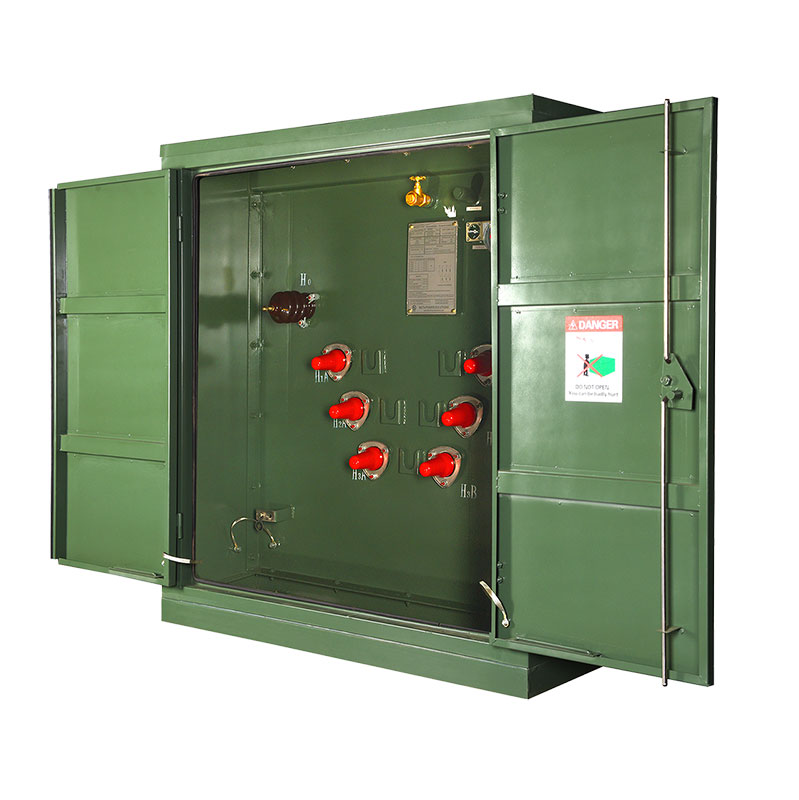
Grounding transformers play a pivotal role in electrical systems, ensuring safety and operational reliability. These transformers help stabilize the system by providing a path to ground for unbalanced electrical loads. Understanding the function, types, and applications of grounding transformers is essential for anyone involved in designing or maintaining electrical infrastructures. This guide aims to provide comprehensive insights into grounding transformers, highlighting their importance, various types, key applications, and considerations for selection and installation.
What is a Grounding Transformer?
A grounding transformer is a key component in electrical distribution systems. It is primarily used to provide a neutral point for grounding purposes in systems that otherwise lack it. By doing so, it helps to:
- Prevent overvoltage conditions during faults.
- Facilitate the operation of protective devices.
- Ensure continuous system operation by maintaining balanced voltages.
Types of Grounding Transformers
Grounding transformers come in various types, each suited for specific applications and system requirements. The most common types include:
1. Zigzag Transformers
Zigzag transformers are designed with interconnected windings that provide a low-impedance path to ground. They are highly effective in limiting fault currents and preventing voltage imbalance. Read more about this topic to understand their configurations and benefits.
2. Wye-Delta Transformers
Wye-delta transformers are typically used in systems where a neutral is required. They offer a reliable grounding solution and are often employed in industrial and utility settings. Explore further insights here on their applications and advantages.
Applications of Grounding Transformers
Grounding transformers are utilized in various sectors and applications, including:
- Renewable Energy Systems: In wind and solar power plants, grounding transformers help stabilize the system by providing a ground reference, crucial for safe and efficient operation.
- Industrial Plants: They are used to manage fault currents and maintain voltage stability in large industrial setups.
- Utility Grids: Grounding transformers serve as a critical component in substation designs, ensuring safety and reliability of the grid.
Key Considerations for Selection and Installation
Choosing the right grounding transformer involves careful consideration of several factors:
- System Voltage: The transformer’s rating should match the system’s voltage requirements to ensure efficient operation.
- Fault Current Levels: Determine the fault current levels the transformer needs to handle, ensuring it can provide adequate fault current limitation.
- Location: Consider environmental factors and installation space, as these can impact the transformer’s performance and longevity.
For a more detailed guide on selecting the appropriate grounding transformer, learn more in this detailed guide.
Installation Best Practices
Proper installation of grounding transformers is critical to their performance and the safety of the electrical system. Some best practices include:
- Ensuring a solid foundation to support the transformer and prevent vibrations.
- Implementing adequate cooling systems to manage heat dissipation.
- Regular maintenance and inspection to detect early signs of wear or potential failures.
Find additional information here about installation and maintenance tips.
In conclusion, grounding transformers are indispensable for maintaining the stability and safety of electrical systems. Their ability to provide a neutral grounding point plays a crucial role in preventing system failures and ensuring operational continuity. By understanding their types, applications, and installation considerations, industry professionals can effectively contribute to the design and maintenance of robust electrical infrastructures.
