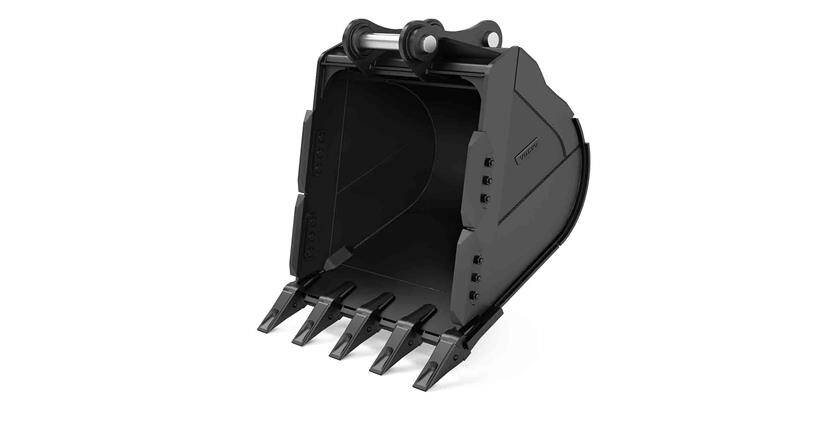
Excavators are invaluable machines in the construction and mining industries, renowned for their versatility and efficiency. However, the key to maximizing an excavator’s potential lies in choosing the right bucket for the task at hand. With numerous options available, selecting the perfect excavator bucket can be a daunting task. This guide aims to simplify the process by highlighting essential factors to consider and offering insights into different bucket types and their applications.
Understanding Excavator Bucket Types
Excavator buckets come in various shapes and sizes, each designed for specific purposes. Understanding these types is crucial for selecting the right one:
- General Purpose Buckets: Ideal for light-duty excavation jobs, these buckets are versatile and can handle a variety of materials.
- Heavy Duty Buckets: Built for more demanding applications, heavy-duty buckets are reinforced for durability and strength.
- Rock Buckets: Specifically designed to handle tough, rocky terrains, these buckets are equipped with robust teeth and a reinforced structure.
- Trenching Buckets: Narrow and precise, trenching buckets are perfect for creating trenches and excavating in tight spaces.
To delve deeper into these options and understand which bucket suits your needs best, discover expert strategies here.
Key Factors When Choosing an Excavator Bucket
Material and Durability
The material composition of a bucket is paramount, as it dictates both its durability and its suitability for specific tasks. Consider:
- Steel Quality: High tensile steel enhances durability and wear resistance.
- Reinforcements: Additional wear plates and side cutters increase longevity.
For an in-depth understanding of material selection and durability considerations, learn about our tailored solutions.
Bucket Capacity
Matching the bucket capacity with the excavator’s power and the material density ensures optimal performance. Key considerations include:
- Machine Size: Ensure the bucket size is compatible with the machine?s weight and power.
- Material Type: Lighter materials can fill larger buckets without overloading the excavator.
Find out more about this approach to bucket capacity calculation.
Application-Specific Considerations
Different projects demand different bucket specifications. Here are a few applications and their respective bucket recommendations:
- Landscaping: General purpose and trenching buckets excel in grading and shaping terrain.
- Demolition: Heavy-duty buckets are essential to withstand the rigorous demands of breaking down structures.
- Quarrying: Rock buckets are indispensable for handling abrasive materials and rocky environments.
To explore advanced guides and tips for application-specific bucket choices, explore advanced guides and tips.
Conclusion
Choosing the right excavator bucket is integral to job efficiency and machine longevity. By understanding the different bucket types, evaluating material and durability, and considering specific application needs, one can make informed decisions that enhance project outcomes. For those seeking further guidance, the wealth of resources available can be invaluable. Start your journey by visiting this comprehensive resource for a deeper dive into selecting the perfect excavator bucket.
