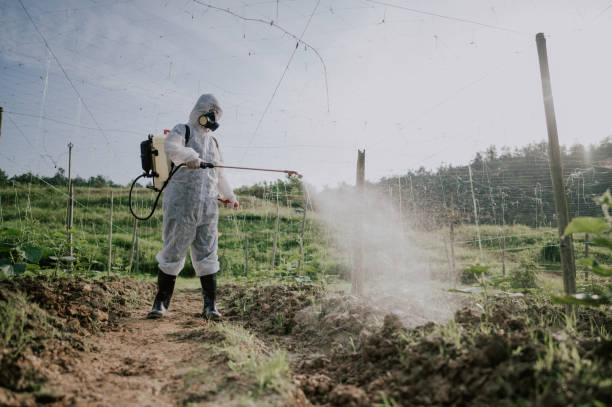
Commercial pest control is crucial for maintaining the hygiene and safety of any business premises. From restaurants to warehouses, the presence of pests can disrupt operations and damage reputations. Chemical solutions are often the most effective means of controlling and eliminating pest issues. However, not all chemicals are created equal, and understanding how to maximize their efficiency is essential for achieving optimal results. This article explores the strategic use of commercial pest control chemicals and how businesses can leverage them for superior pest management.
Understanding Commercial Pest Control Chemicals
Commercial pest control chemicals are specifically formulated to address the unique challenges posed by different types of pests. These chemicals can be categorized based on their target organisms and the method of application. The primary categories include:
- Insecticides: Used to control insects, these chemicals are available in liquid, powder, and aerosol forms.
- Rodenticides: Formulated to manage rodent populations, often available in bait or pellet forms.
- Fungicides: Target fungal organisms that can affect plants and structures.
Maximizing Efficiency: Tips and Best Practices
To ensure the effective use of commercial pest control chemicals, consider the following best practices:
1. Accurate Identification of Pests
Understanding the type of pest is crucial before selecting the appropriate chemical. Misidentification can lead to ineffective treatment and wasted resources. Conducting a thorough assessment of the infestation can guide the proper choice of product.
2. Correct Application Techniques
Proper application techniques can significantly enhance the effectiveness of pest control chemicals. This includes:
- Following Manufacturer Instructions: Adhering to guidelines ensures the correct concentration and application method.
- Using the Right Equipment: Specific tools and equipment can optimize the distribution of chemicals.
- Timing: Applying chemicals at the right time can increase effectiveness, such as during the early morning or late evening when pests are most active.
3. Safety Considerations
Safety should be a top priority when handling and applying pest control chemicals. This involves:
- Personal Protective Equipment (PPE): Wearing appropriate gear to protect against chemical exposure.
- Proper Storage: Keeping chemicals in a secure, designated area to prevent accidental exposure or contamination.
- Disposal: Following recommended disposal practices to minimize environmental impact.
The Role of Integrated Pest Management (IPM)
Integrated Pest Management (IPM) is a holistic approach that combines chemical and non-chemical strategies to manage pest populations effectively. The goal of IPM is to minimize the use of chemicals while achieving long-term pest control solutions. Key components of IPM include:
- Monitoring: Regularly inspecting and monitoring pest activity to make informed decisions.
- Prevention: Implementing preventive measures such as sealing entry points and maintaining cleanliness.
- Control: Using the least toxic options first and resorting to chemicals as a last resort.
Conclusion
Maximizing the efficiency of commercial pest control chemicals requires a strategic and informed approach. By understanding the specific needs of a business and employing best practices, businesses can effectively manage pest issues while ensuring safety and compliance. For those seeking comprehensive solutions, exploring diverse options and staying informed on the latest pest control technologies can lead to more efficient and sustainable outcomes.
